- Details
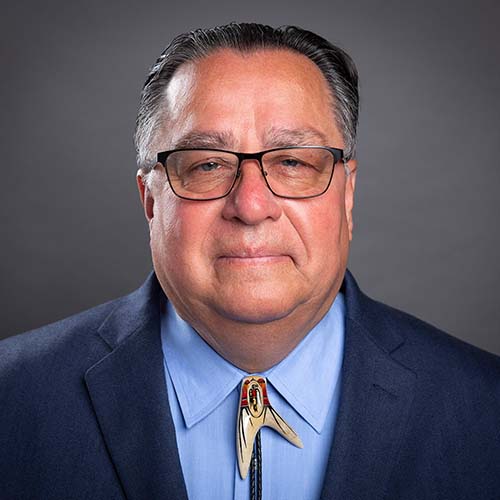
- By Levi Rickert
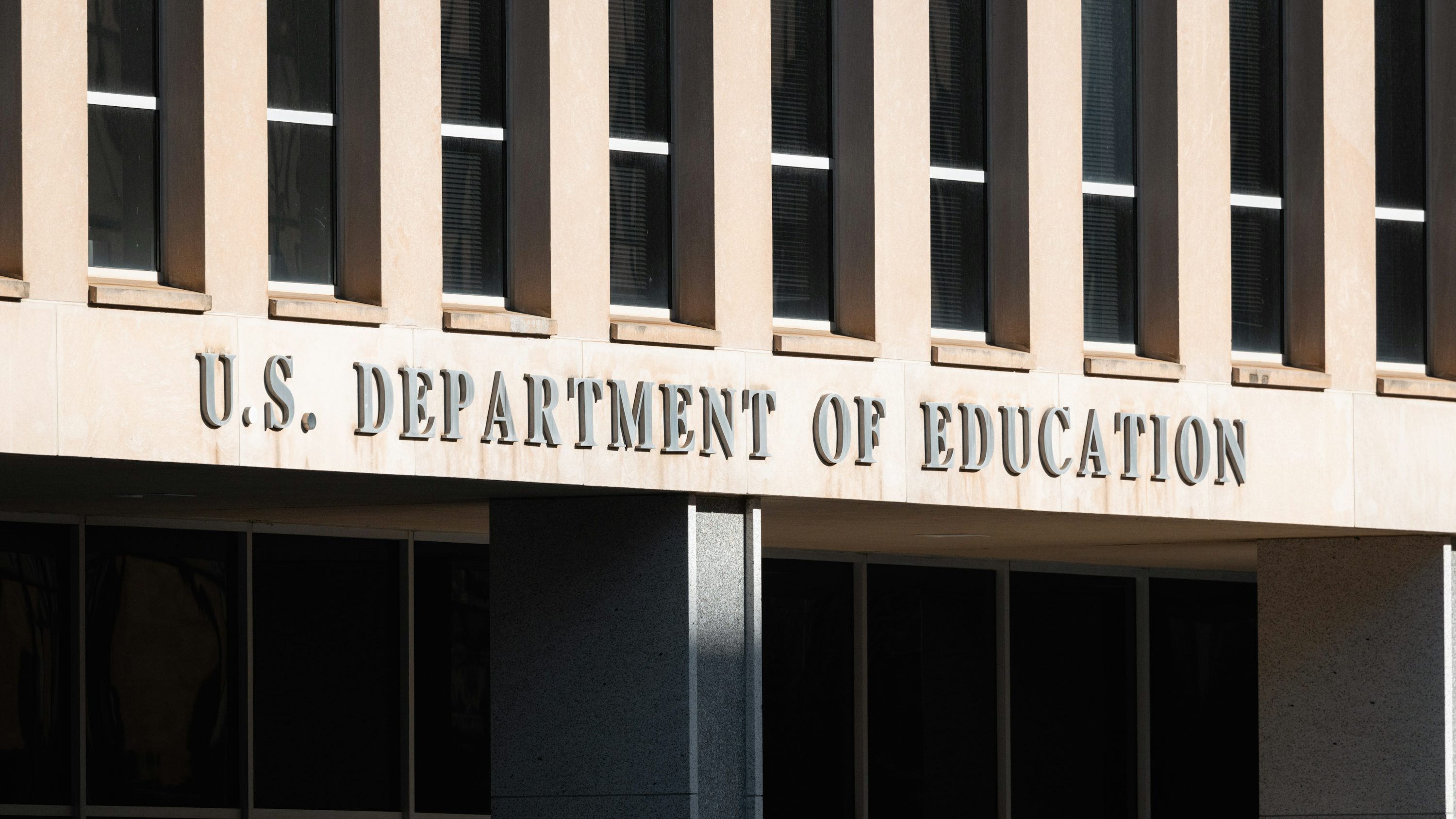
Opinion. As Congress weighed releasing the Epstein files last week, the Trump administration quietly announced plans to dismantle the U.S. Department of Education — shifting programs that serve Native students to other agencies without consulting a single tribe.
Call it what you want: a strategic distraction, a bureaucratic reshuffling or business as usual for this administration. For Indian Country, it’s a violation of federal law.
Tuesday’s announcement transferred key programs that serve Native students from the Department of Education to the departments of the Interior and Labor, with additional programs reassigned to Health and Human Services and the State Department.
The sweeping overhaul directly affects Native students at every level, from elementary classrooms to tribal colleges and universities. Yet, the administration failed to do the one thing federal law and basic respect require: consult with tribal nations.
Tribal consultation — government-to-government dialogue between tribes and federal agencies — simply didn't happen. For Indian Country, this is decisions made about us, without us.
The lack of consultation is not an oversight. It is a breach of trust and treaty obligations.It is a breach of trust and treaty obligations. Once again, the federal government is making choices that will shape our children’s education and our future, while refusing to honor the sovereign-to-sovereign relationship it professes to uphold.
The American Indian College Fund, one of the strongest national advocates for Native higher education, raised alarms about the plan this week. The college fund noted that these programs — including the Office of Indian Education — play vital roles supporting Native students, Native-serving institutions and the National Advisory Council on Indian Education.
Moving programs is not just a matter of shifting files and staff. When authority is transferred without clear planning, without accountability and without meaningful dialogue with the people most impacted, the risk is stark: Native students will pay the price.
The federal government holds a unique legal responsibility to provide education to Native people. This obligation isn’t symbolic. It is written into treaties that tribes negotiated in good faith, often ceding millions of acres of land in return for basic services — education among them. Those treaties are the supreme law of the land.
But at this moment, as in too many others, the federal government is acting as if those agreements are optional.
The administration says the reorganization will improve efficiency and give states more control over school policy. But states are not parties to treaties with tribal nations. They have no legal obligation to us, no trust responsibility and, in many cases, long histories of marginalizing Native students.
To outsource federal obligations to states or to agencies unprepared to handle the complexity of Native education is not reform. It is abandonment.
Even more troubling is the plan to move oversight of Native postsecondary programs to the Department of the Interior. That department already oversees the Bureau of Indian Education, an agency that struggles with chronic staffing shortages, outdated facilities and persistent academic gaps. Adding more programs — without new resources, clear timelines or tribal input — risks worsening an already fragile system.
The administration’s failure to consult tribes is not just a procedural lapse; it reveals a deeper disregard for Native sovereignty and self-determination. Consultation is not a courtesy. It is a legal requirement grounded in decades of federal Indian law and policy. When the government makes decisions that affect tribal citizens, tribal governments must be at the table — not informed after the fact.
Time and again, Indian Country has seen what happens when education decisions are made without us. Policies crafted in Washington, distant from our communities, have produced generations of inequity, underfunding, and lost opportunities.
Today, Native students remain among the most underserved in the nation. Tribal colleges and universities — institutions created by tribes to provide culturally grounded, community-driven education — operate on shoestring budgets. Many struggle to secure adequate funding year after year. The last thing they need is more instability from federal restructuring pushed through without consultation.
The National Congress of American Indians (NCAI) condemned the plan to dismantle the Department of Education. NCAI called the move reckless, politically motivated and a direct threat to Native students, tribal sovereignty and the federal government’s trust and treaty obligations.
“Let us be clear: This is not just an administrative change – it’s an attack on the fundamental right of Native students to a quality education that reflects their identity, history and sovereignty,” NCAI President Mark Macarro said in March 2025. “The trust and treaty responsibilities of the United States are not optional. Dismantling the Department of Education is a betrayal to Native nations and future generations.”
NCAI noted that over 90% of Native youth attend public schools, many of which rely on federal resources like Title VI and Johnson-O'Malley funding to support Native language preservation, cultural education and academic success. Eliminating the federal agency responsible for delivering and safeguarding those resources would further marginalize Native students and destabilize tribal education systems.
Indian Country has been clear: Any change to our education systems must be developed with tribes, not imposed upon them. Consultation is the bare minimum. True partnership is the standard tribes deserve.
Until the federal government lives up to that promise, Indian Country will continue to raise its voice — loudly, consistently and unapologetically.
Thayék gde nwéndëmen - We are all related.
More Stories Like This
The SAVE America Act Threatens Native Voting Rights — We Must Fight BackThe Presidential Election of 1789
Cherokee Nation: Telling the Full Story During Black History Month
Jesse Jackson Changed Politics for the Better
Native News Online at 15: Humble Beginnings, Unwavering Mission
Help us defend tribal sovereignty.
At Native News Online, our mission is rooted in telling the stories that strengthen sovereignty and uplift Indigenous voices — not just at year’s end, but every single day.
Because of your generosity last year, we were able to keep our reporters on the ground in tribal communities, at national gatherings and in the halls of Congress — covering the issues that matter most to Indian Country: sovereignty, culture, education, health and economic opportunity.
That support sustained us through a tough year in 2025. Now, as we look to the year ahead, we need your help right now to ensure warrior journalism remains strong — reporting that defends tribal sovereignty, amplifies Native truth, and holds power accountable.
 The stakes couldn't be higher. Your support keeps Native voices heard, Native stories told and Native sovereignty defended.
Stand with Warrior Journalism today.
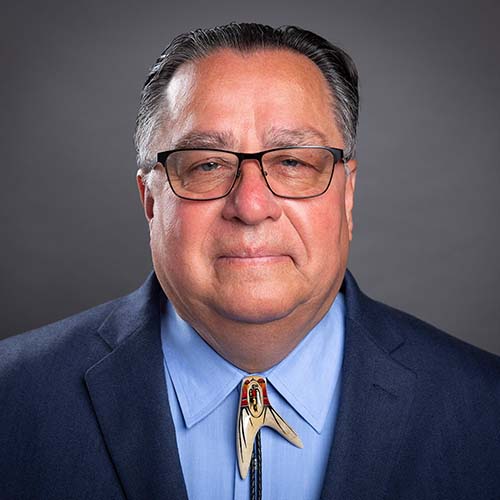
Levi Rickert (Potawatomi), Editor & Publisher