



- Details
- By Native StoryLab
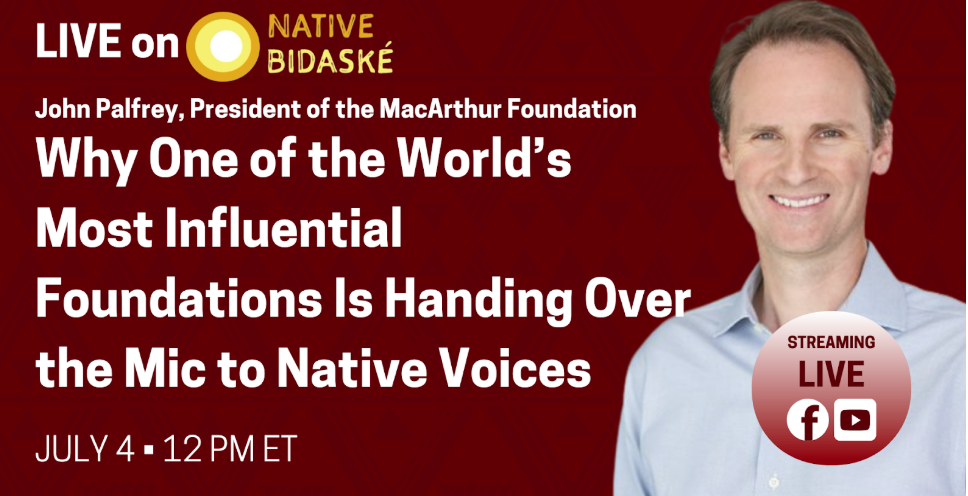
Only five cents of every $100 in U.S. philanthropy reaches Native communities. One of the wealthiest foundations in the world wants to change that and not by writing bigger checks, but by fundamentally shifting who’s in charge.
The MacArthur Foundation, best known for its “genius” grants, has quietly launched a bold new initiative: a Native self-determination program aimed at increasing funding for Indigenous communities. But this isn’t just another grant program. The foundation, with more than $8 billion in assets, says it’s rethinking how decisions are made, who makes them, and what philanthropy looks like when it’s led by the people it’s meant to serve.
That kind of language might sound familiar. But this time, something feels different.
This initiative wasn’t rolled out in a press release and forgotten a week later. It came after more than two years of private conversations, over 100 of them, with Native artists, scientists, entrepreneurs, and knowledge keepers. It followed a commissioned study that laid bare a painful truth: Native communities aren’t just underfunded. They’ve been systematically excluded from philanthropic power.
So MacArthur is doing something that few legacy institutions have dared to try:
It’s handing over the reins. Native leaders are helping to shape the strategy, design the operations, and determine where the money goes.
Even the foundation’s physical space is changing.
At its headquarters, a historic building in downtown Chicago, MacArthur has partnered with Native artists and the Center for Native Futures to install a rotating gallery of Indigenous art. It’s not just decoration. It’s a public correction to the settler-colonial story etched into the building’s walls for over a century.
For Indian Country, this program could mean real power and a new kind of relationship with philanthropy.
Not one built on scarcity and gatekeeping, but on trust. Not one shaped by metrics alone, but by shared values and community-defined goals. And not one centered on what foundations want to give, but on what Native nations choose to build.
TUNE INTO NATIVE BIDASKÉ TO LEARN MORE:
Date: Friday, July 4th
Time: 12:00 pm ET / 11:00 am CT / 10:00 am MT / 9:00 am PT
Streaming on Facebook, YouTube, and the NNO website
Disclosure: Native News Online has received grant funding from the MacArthur Foundation. The foundation had no involvement in the reporting or editing of this story or the Native Bidaské episode.
Help us defend tribal sovereignty.
At Native News Online, our mission is rooted in telling the stories that strengthen sovereignty and uplift Indigenous voices — not just at year’s end, but every single day.
Because of your generosity last year, we were able to keep our reporters on the ground in tribal communities, at national gatherings and in the halls of Congress — covering the issues that matter most to Indian Country: sovereignty, culture, education, health and economic opportunity.
That support sustained us through a tough year in 2025. Now, as we look to the year ahead, we need your help right now to ensure warrior journalism remains strong — reporting that defends tribal sovereignty, amplifies Native truth, and holds power accountable.
 The stakes couldn't be higher. Your support keeps Native voices heard, Native stories told and Native sovereignty defended.
Stand with Warrior Journalism today.
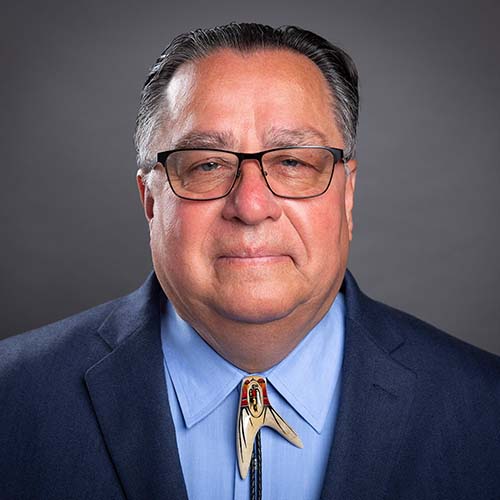
Levi Rickert (Potawatomi), Editor & Publisher