- Details
- By Native News Online Staff
The National Indian Health Board (NIHB) and the Association of Asian Pacific Community Health Organization (AAPCHO) will be convening a virtual listening session on March 1, 2022, on the Centers for Disease Control and Prevention's (CDC’s) COVID-19 mask guidance. This listening session provides an opportunity for American Indian (AI), Alaska Native (AN), Asian American (AA), and Native Hawaiian/Pacific Islander (NH/PI) communities to ask questions about the CDC’s COVID-19 mask guidance and learn how to receive free COVID-19 rapid kits and masks.
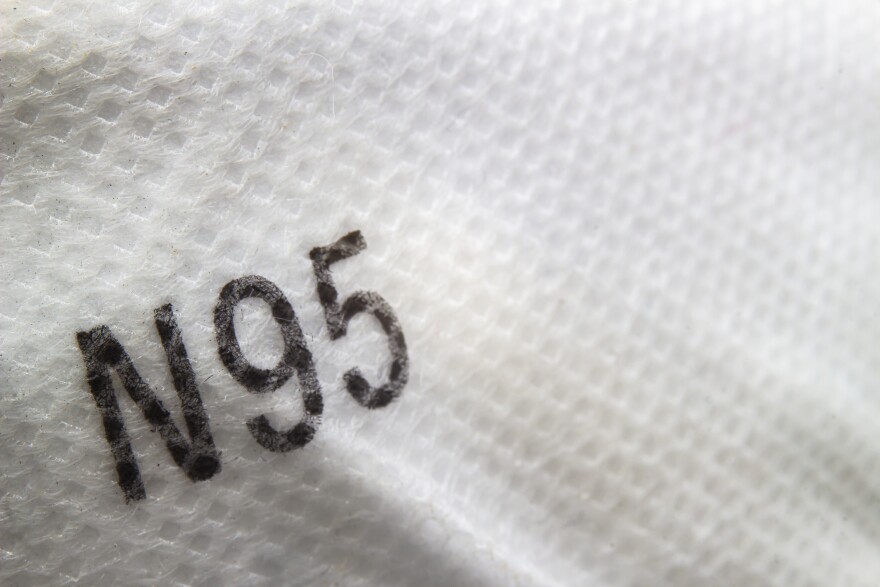
The CDC will provide updates about the latest recommendations for masking up, including clarification on which masks offer the best protection in stopping the spread of COVID-19 and protecting oneself. Updates will include reviewing rotating online images and graphics that show how specific masks give others better protection due to differences in material and fit.
Note: While the CDC has eased the need to wear masks, many tribal nations, which are soveregin nations, have not lifted mask requirements. Please check with your tribal nation to see what requirements are for mask wearing.
What: Webinar on Understanding and Addressing Changing Mask Guidance
When: Tuesday, March 1, 2022
Time: 4:00 p.m. - 5:30 p.m. Eastern Time
Who should attend? Native families, nurses, school administrators, emergency responders, health educators, and other Tribal public health professionals interested in preventing the spread of COVID-19.
For questions, contact Audrianna Marzette, Project Coordinator, Public Health Policy and Programs, at [email protected].
More Stories Like This
New Mexico Will Investigate Forced Sterilization of Native American WomenUSDA Expands Aid for Lost Farming Revenue Due to 2025 Policies
Two Feathers Native American Family Services Wins 2026 Irvine Leadership Award
Bill Would Give Federal Marshals Authority to Help Tribes Find Missing Children
Indian Health Service to Phase Out Mercury-Containing Dental Amalgam by 2027