Editor's Note: Each December, "Native News Online" holds its annual year-end campaign to raise funds. Donations collected during the campaign help us pay our staff. Native News Online and its sister publication, "Tribal Business News," are owned by Indian Country Media.

Throughout this month, we will hear from our reporters who work hard to ensure their reporting is timely and accurate. We’ve asked them to reflect on what it is like working for our publications.
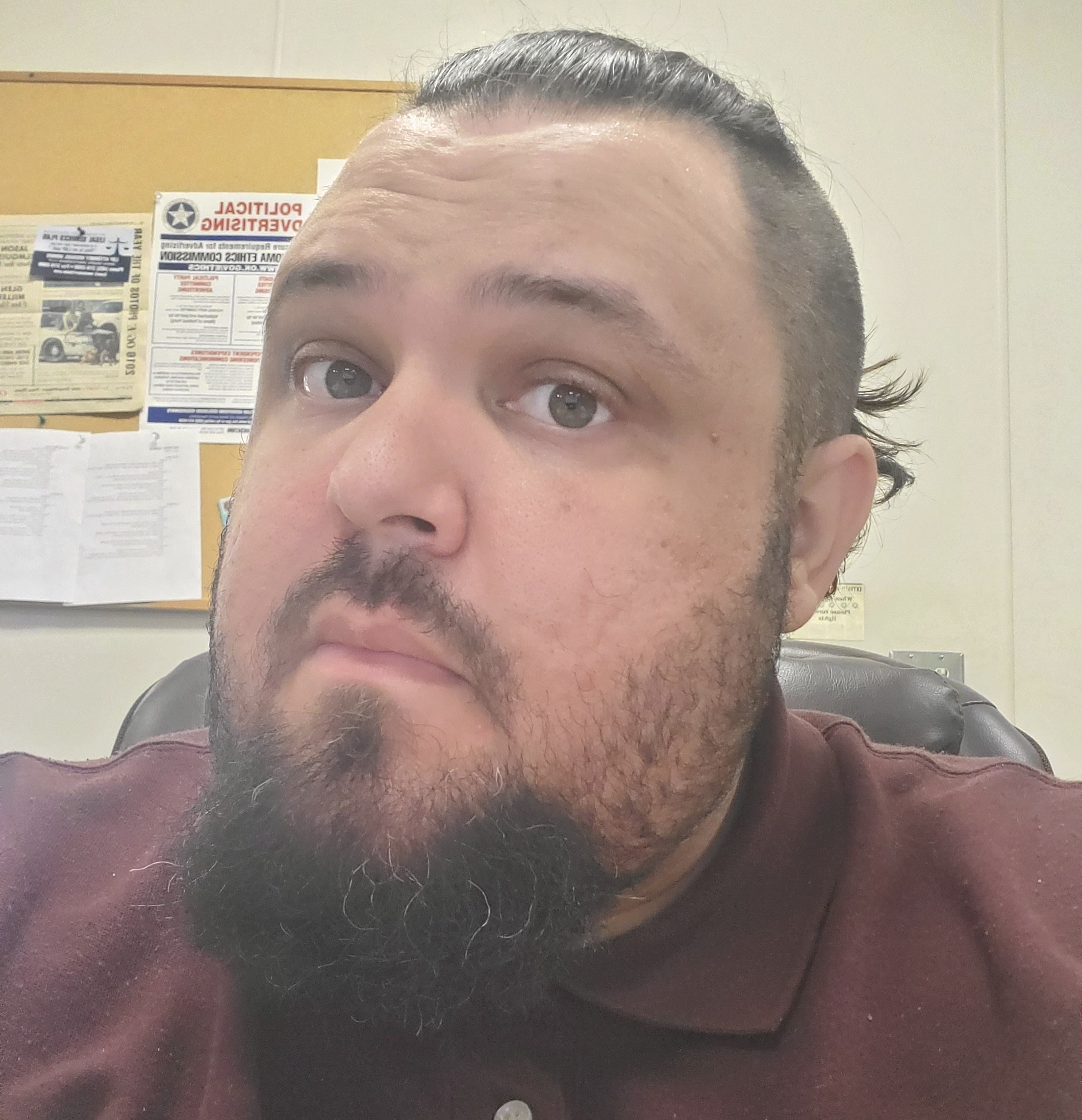
First up is Chez Oxendine, a tribal citizen of the Lumbee Nation. He was hired as a reporter for Tribal Business News in September 2020 and writes occasional stories for Native News Online.
My first Lumbee-adjacent assignment during my early days at my current gig — staff writer at Tribal Business News — turned out to be an entrepreneur profile on Moore Brothers’ Beef, a North Carolina–based cattle outfit built on the remains of an ailing tobacco operation. I scrounged up a phone number for the folks from their Facebook page and dialed in, finding myself nervous as I waited for someone to pick up.
Please support our year-end campaign. CLICK HERE TO DONATE.
By the time this assignment rolled around — in the middle of October 2020, as the paradigm was shifting around us — my conversation with the Moore brothers would mark my first time talking to another Lumbee in five years.
When Harbert Moore picked up the phone, I recognized his accent immediately: Southern, deeply Southern, with a snap and lift at the end of words with long vowel sounds and vanishing consonants. It’s a Lumbee accent. It’s my father’s accent. It’s my accent, a few days after any visit to Robeson County, North Carolina.
After just a few minutes chatting with Moore, I found myself slipping into it the way someone slips on an old hoodie — with the surprised discovery that it still fits.
Harbert Moore was friendly, especially once he realized my last name is Oxendine. He rattled off a few names in hopes that we’d discover we’re distantly related (we are, through my father’s mother — which led to a panicked message to my boss about a potential conflict of interest at the time). After pleasantries, we muddled our way through an interview about what it’s like running a beef company in the middle of COVID, and what it’s been like transitioning from tobacco to selling food to people.
***
My daily work involves telling Native stories. I went from occasionally greeting family members or being told I “act white” to centering Native perspectives five days a week.
I’ve learned more about cultures and tribes across the United States in the last year than I had in the three decades preceding it.
Some days, reaching out to other Indigenous people for stories feels like I’m cold-calling someone on the other side of the world — someone whose experiences, culture and understanding feel entirely divorced from my own, even through the shared history of colonialism and marginalization.
On other days, it feels a little like going home. When I find common ground with other Indigenous people — and what’s more common than ground — it helps reinforce that I am Indigenous.
Please support our year-end campaign. CLICK HERE TO DONATE.
More Stories Like This
Native News Weekly (August 25, 2024): D.C. BriefsDeb Haaland Earns Endorsement From Communications Workers of America Local 7076
University Soccer Standout Leads by Example
Two Native Americans Named to Democratic Congressional Campaign Committee's“Red to Blue” Program
Cheyenne River Youth Project Hosts Young Women’s Winter Camp as Part of Lakota Culture Internship
Help us defend tribal sovereignty.
At Native News Online, our mission is rooted in telling the stories that strengthen sovereignty and uplift Indigenous voices — not just at year’s end, but every single day.
Because of your generosity last year, we were able to keep our reporters on the ground in tribal communities, at national gatherings and in the halls of Congress — covering the issues that matter most to Indian Country: sovereignty, culture, education, health and economic opportunity.
That support sustained us through a tough year in 2025. Now, as we look to the year ahead, we need your help right now to ensure warrior journalism remains strong — reporting that defends tribal sovereignty, amplifies Native truth, and holds power accountable.
 The stakes couldn't be higher. Your support keeps Native voices heard, Native stories told and Native sovereignty defended.
Stand with Warrior Journalism today.
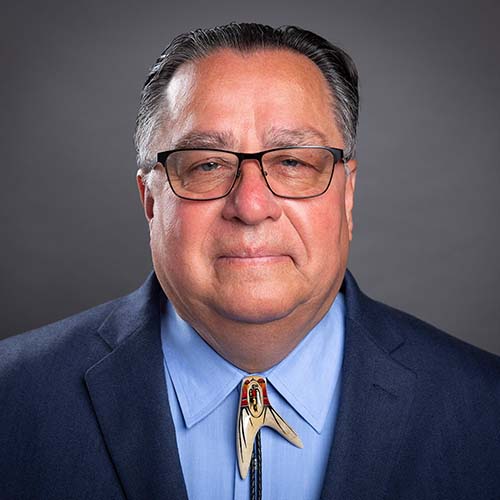
Levi Rickert (Potawatomi), Editor & Publisher