- Details
- By Native News Online Staff
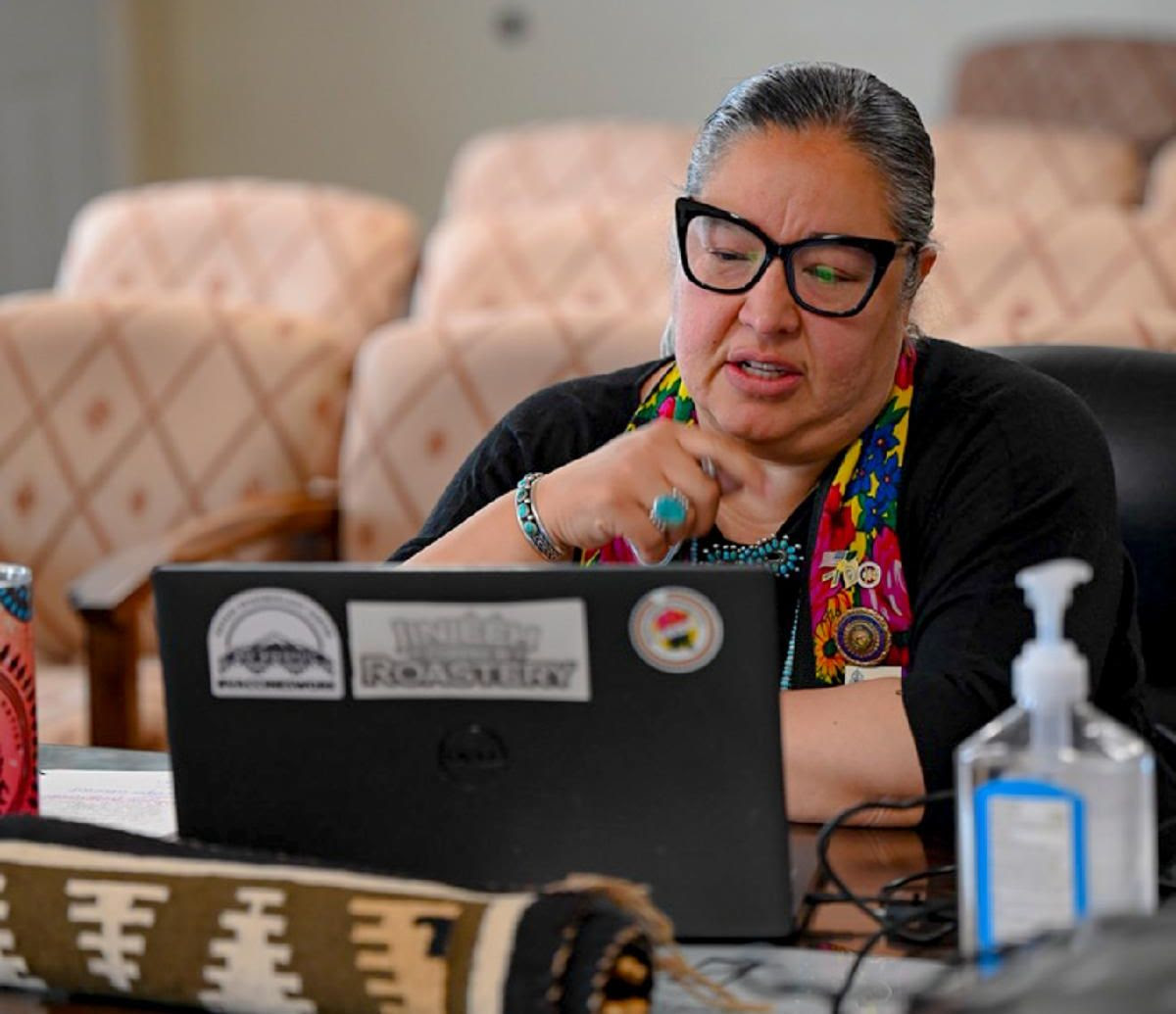
On April 24, the Missing and Murdered Diné Relatives (MMDR) Task Force reviewed critical updates from a training session led by representatives of the Amber Alert in Indian Country initiative. The session focused on tools and strategies to strengthen the Navajo Nation’s response to cases involving missing Indigenous children.
“We cannot address the crisis of missing and murdered Diné relatives without equipping our communities with the right tools, training, and partnerships. This presentation is not just a resource — it’s a commitment to action, to justice, and to protecting our children and families,” Amber Kanazbah Crotty, Chair of the MMDR Task Force said.

David Chadwick and Amy Hood Schwent of the National Criminal Justice Training Center led the presentation, focusing on the Ashlynne Mike AMBER Alert in Indian Country Act. They outlined the benefits of coordinated efforts across law enforcement, media, and transportation networks in recovering missing and endangered children.
Schwent highlighted the Child Abduction Tabletop Exercise (CATE), a tool that helps tribal communities evaluate and strengthen their emergency response capabilities. She stressed the importance of tailoring Amber Alert protocols to tribal contexts, building trust between tribal and state coordinators, and offering localized prevention education. Schwent also underscored the growing need to educate families about online threats targeting Native youth on social media.
The MMDR Task Force is working with Amber Alert in Indian Country to schedule a series of trainings across the Navajo Nation. These sessions will provide law enforcement, educators, community members, and advocates with practical skills to prevent and respond to child abductions in tribal communities.
“Our people deserve a system that protects every child, honors every missing relative, and utilizes every available resource without hesitation,” Chair Crotty.said. “The information shared today strengthens our efforts to ensure that no family stands alone when a loved one goes missing. We are committed to expanding our training, bridging gaps in coordination, and supporting our communities with the tools they need to prevent these tragedies.”
Task Force member Laurelle Sheppard emphasized the need for accurate data, cross-agency cooperation, and culturally responsive training. The MMDR Task Force plans to incorporate Amber Alert training into its ongoing work and regular meetings.
The next MMDR Task Force meeting is set for May 8, 2025, and will continue focusing on prevention, community engagement, and expanding tribal resources to address the crisis of missing and murdered Diné relatives.
More Stories Like This
Native News Weekly (August 25, 2024): D.C. BriefsUS Presidents in Their Own Words Concerning American Indians
Native News Weekly (December 7, 2025): D.C. Briefs
Breaking: Final Defense Legislation Grants Federal Recognition to Lumbee Tribe
Why We Report: Chez Oxendine Shares His Story for Native News Online’s Year-End Campaign
Help us defend tribal sovereignty.
At Native News Online, our mission is rooted in telling the stories that strengthen sovereignty and uplift Indigenous voices — not just at year’s end, but every single day.
Because of your generosity last year, we were able to keep our reporters on the ground in tribal communities, at national gatherings and in the halls of Congress — covering the issues that matter most to Indian Country: sovereignty, culture, education, health and economic opportunity.
That support sustained us through a tough year in 2025. Now, as we look to the year ahead, we need your help right now to ensure warrior journalism remains strong — reporting that defends tribal sovereignty, amplifies Native truth, and holds power accountable.
 The stakes couldn't be higher. Your support keeps Native voices heard, Native stories told and Native sovereignty defended.
Stand with Warrior Journalism today.
Levi Rickert (Potawatomi), Editor & Publisher