- Details
- By Native News Online Staff
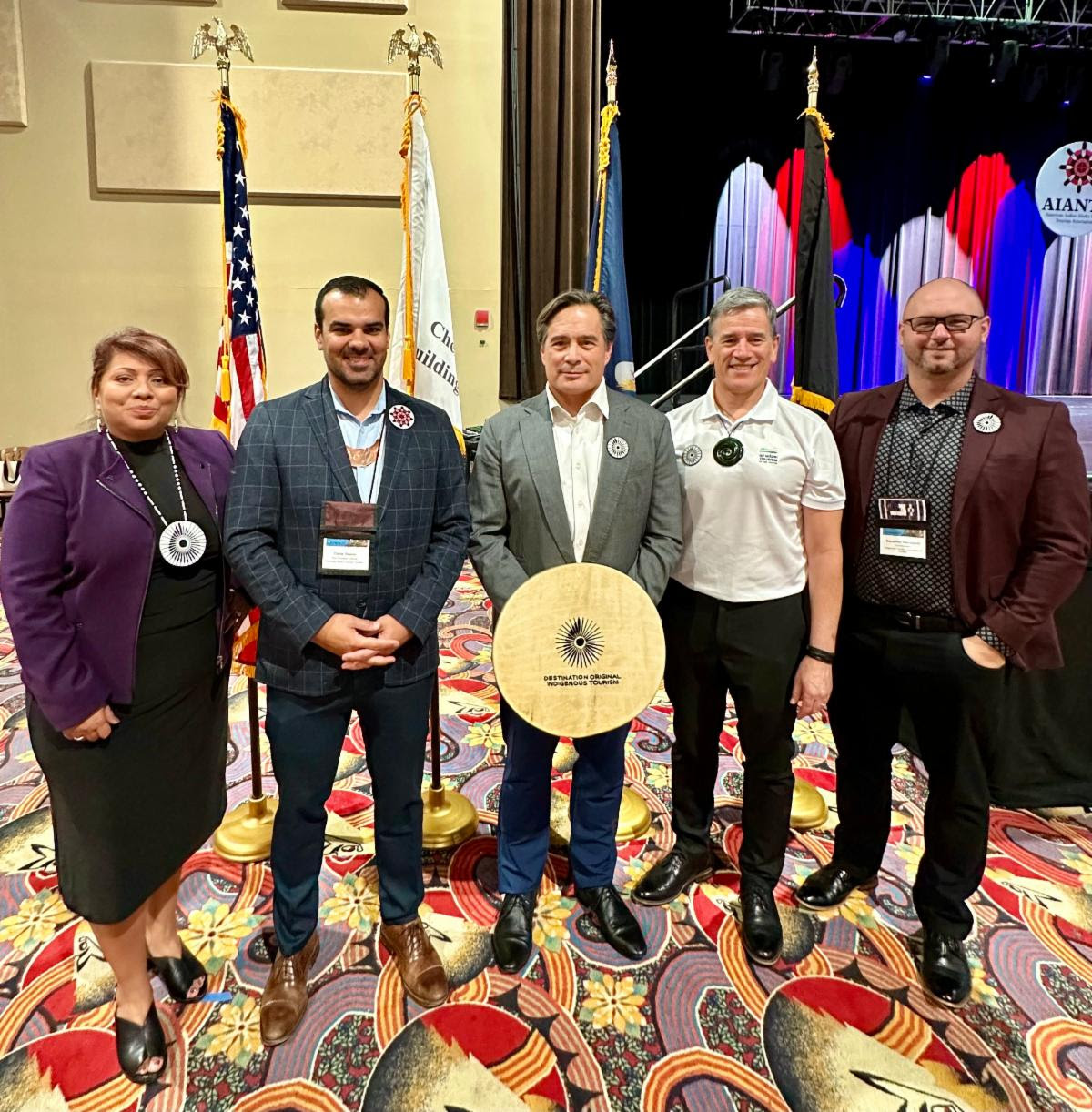
Destination Original Indigenous Tourism (DO-IT) formalized its partnership this week during the 26th Annual American Indigenous Tourism Conference, hosted by the Tunica-Biloxi Tribe in Marksville, Louisiana. The collaboration includes the American Indian Alaska Native Tourism Association (AIANTA), the Indigenous Tourism Association of Canada (ITAC), and New Zealand Māori Tourism.
After a year of development, DO-IT is the first of its kind, aiming to unify the voices of Indigenous tourism globally. Its mission is to lead the creation and promotion of authentic Indigenous tourism experiences through innovative partnerships, fostering a sustainable international network that supports a thriving Indigenous tourism economy.

The conference featured a significant signing ceremony for DO-IT's partnership, with insightful discussions led by Sherry L. Rupert (AIANTA), Keith Henry (ITAC), and Dale Stephens (New Zealand Māori Tourism). They explored Indigenous tourism standards in their respective countries and the necessity for guidelines that ensure travelers recognize and trust the authenticity of Destination Original-branded experiences. The discussions also focused on the goals of the new organization and the future of Indigenous travel worldwide.
“Destination Original Indigenous Tourism mission aligns with AIANTA’s mission to define, introduce, grow and sustain American Indian, Alaska Native and Native Hawaiian tourism that honors traditions and values, so it’s a natural fit for us to join our colleagues in establishment of this vital organization,” said AIANTA CEO Sherry L. Rupert (Paiute/Washoe). “As the leader in Indigenous tourism in the U.S., AIANTA is thrilled to join this global community of Indigenous leaders to amplify our commitment to sharing authentic cultural heritage experiences as a united front.”
ITAC President & CEO Keith Henry emphasized that this partnership elevates Indigenous-led tourism globally, building on ITAC's efforts to create sustainable experiences celebrating First Nations, Métis, and Inuit cultures. “This collaboration is a pivotal step in advancing global Indigenous tourism, creating opportunities for communities and showcasing Indigenous histories through tourism,” he said.
NZ Māori Tourism Chair Dale Stephens (Te Rarawa) remarked, “We are proud to support DO-IT and its goals for Indigenous peoples worldwide. This partnership empowers Indigenous communities, fostering connections that lead to unity. By celebrating our authenticity, we pave the way for a tourism model that prioritizes cultural respect over commercialization, drawing visitors who seek genuine connections with our people and places.”
In addition to the partnership announcement, DO-IT introduced its founding board, comprising six visionary Indigenous leaders, and appointed its first President and CEO, Sebastien Desnoyers-Picard of the Huron-Wendat Nation in Canada. With nearly 18 years of experience in the Indigenous tourism sector and currently serving as ITAC's vice president, Sebastien is well-equipped to guide DO-IT under the strategic direction of the board. The organization looks forward to his leadership as it embarks on this new journey.
More Stories Like This
Native News Weekly (August 25, 2024): D.C. BriefsUS Presidents in Their Own Words Concerning American Indians
Suspected Drunk Driver Crashes into Parade in Kayenta on Navajo Nation, Killing 1 & Injuring 3 Others
Tribal Broadband to Get $6.5M Boost as NTIA Plans Consultations
Pokagon Potawatomi Band, Four Winds Casinos Donate 1,000 Christmas Food Boxes
Help us defend tribal sovereignty.
At Native News Online, our mission is rooted in telling the stories that strengthen sovereignty and uplift Indigenous voices — not just at year’s end, but every single day.
Because of your generosity last year, we were able to keep our reporters on the ground in tribal communities, at national gatherings and in the halls of Congress — covering the issues that matter most to Indian Country: sovereignty, culture, education, health and economic opportunity.
That support sustained us through a tough year in 2025. Now, as we look to the year ahead, we need your help right now to ensure warrior journalism remains strong — reporting that defends tribal sovereignty, amplifies Native truth, and holds power accountable.
 The stakes couldn't be higher. Your support keeps Native voices heard, Native stories told and Native sovereignty defended.
Stand with Warrior Journalism today.
Levi Rickert (Potawatomi), Editor & Publisher