



- Details
- By Chuck Hoskin Jr
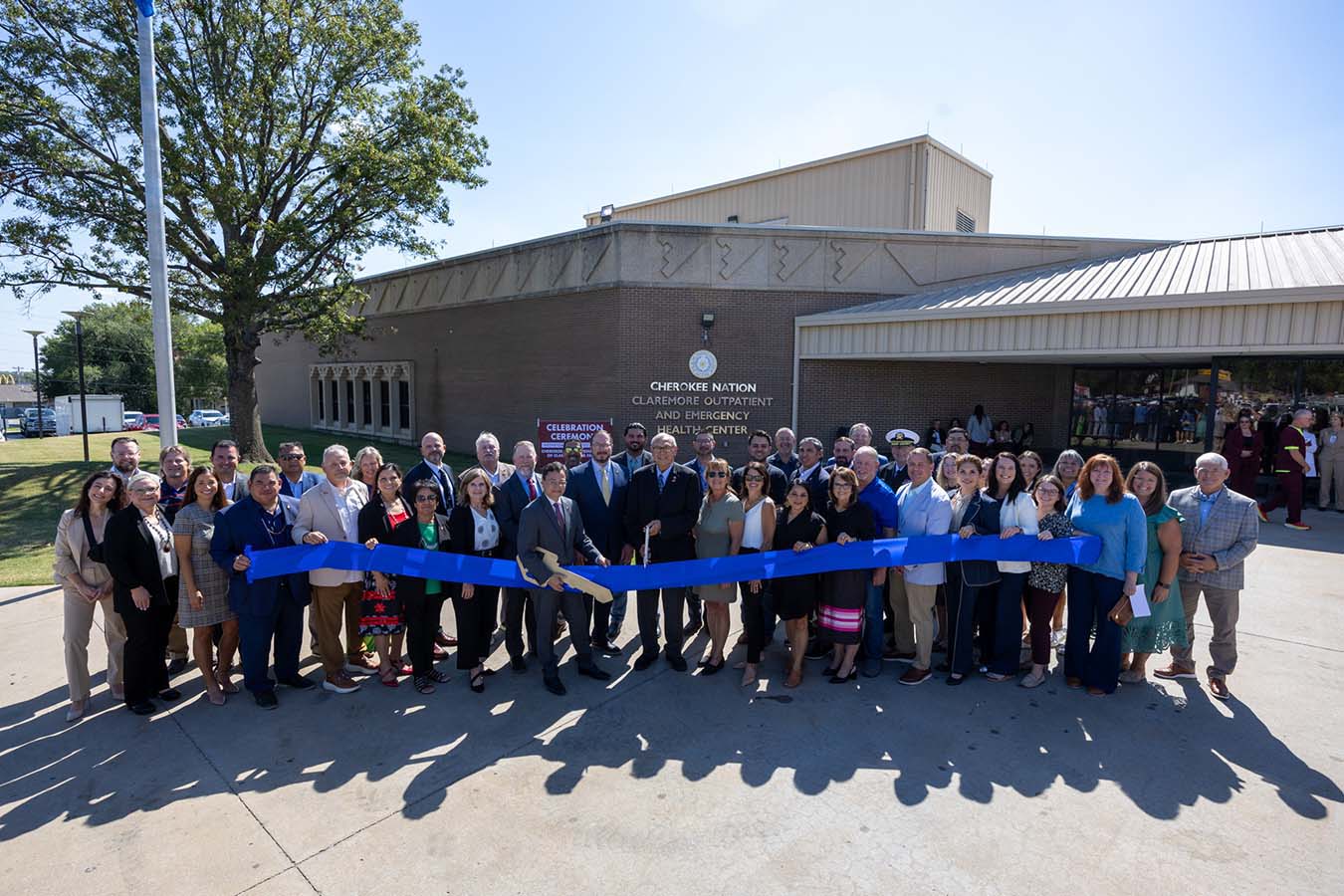
Guest Opinion. Cherokee Nation celebrated a historic milestone this week: the transfer of the Claremore Indian Hospital from the federal Indian Health Service to Cherokee Nation’s control. That facility had been the last federally operated medical facility within our Reservation, and this transfer officially took effect Oct. 1, the first day of our tribe’s new fiscal year.
We have been on a rescue mission to save the Claremore facility from decades of federal neglect and that mission is going to happen now that it is under Cherokee authority. Going forward, it will be known as the Claremore Outpatient and Emergency Health Center, and the facility is now integrated into our Cherokee Nation Health Services system, which serves more than 2 million patient visits each year.
This represents more than a change in management — it represents a promise to deliver the world-class care our people deserve. By assuming responsibility, Cherokee Nation is bringing accountability, quality, and vision to the health care citizens in northeast Oklahoma receive.
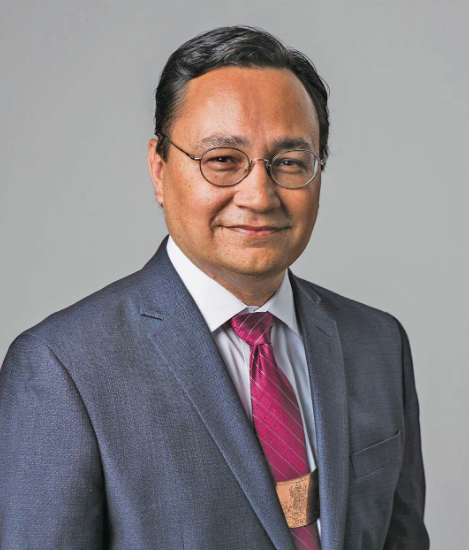
Immediately, we will invest $11 million in upgrades to bring the current facility up to our standard. Beyond that, we are committing another $244 million for a new, modern replacement facility that will feature advanced emergency care, outpatient services, and a wellness center.
In the meantime, partnerships, including an agreement with Hillcrest Hospital Claremore for obstetric care, will help ensure continuity of services for our patients.
We have also offered employment to the vast majority of Claremore hospital staff, giving them stability while strengthening our workforce. That is sovereignty in action.
This transition did not happen overnight. It was the product of several years of planning and negotiations, and it was shaped by Cherokee Nation’s active participation in the U.S. Health and Human Services Secretary’s Tribal Advisory Committee.
In that forum, we made our voices heard as policies and programs were shaped, culminating in this historic transfer. I was honored to sit with Health and Human Services Secretary Robert F. Kennedy Jr. last month as we signed the agreement, proving that when tribal nations are at the table, progress and success is sure to follow, especially when it comes to health care delivery for our people.
The milestone also affirms the enduring power of the Indian Self-Determination and Education Assistance Act, which was enacted 50 years ago. That law recognized a truth that we have proven time and again: tribes know best how to care for their people. Self-governance is not theoretical, it is real, and Cherokee Nation embodies it every day.
Our Nation is stronger because we design and deliver programs in health care, education, housing, and justice that reflect our Cherokee values.
I recently testified before the U.S. Senate Committee on Indian Affairs to share this fact: Cherokee Nation can spend dollars more wisely and deliver better results than the federal government ever could. But challenges remain — federal underfunding, delays, and outdated oversight structures still hinder tribal nations. As we celebrate the anniversary of ISDEAA and this milestone for our Nation, let us recommit ourselves to the law’s founding principle: that tribes are effective and capable governments.
Cherokee Nation is stronger today because we embraced the challenge of self-governance. When we take responsibility for our communities’ health and welfare, we prove its power. The assumption of Claremore Hospital is not just the end of an era of federal control; it is the beginning of a new era of Cherokee-led health care, built to last generations.
Chuck Hoskin, Jr. is the principal chief of the Cherokee Nation.
More Stories Like This
The SAVE America Act Threatens Native Voting Rights — We Must Fight BackThe Presidential Election of 1789
Cherokee Nation: Telling the Full Story During Black History Month
Jesse Jackson Changed Politics for the Better
Native News Online at 15: Humble Beginnings, Unwavering Mission
Help us defend tribal sovereignty.
At Native News Online, our mission is rooted in telling the stories that strengthen sovereignty and uplift Indigenous voices — not just at year’s end, but every single day.
Because of your generosity last year, we were able to keep our reporters on the ground in tribal communities, at national gatherings and in the halls of Congress — covering the issues that matter most to Indian Country: sovereignty, culture, education, health and economic opportunity.
That support sustained us through a tough year in 2025. Now, as we look to the year ahead, we need your help right now to ensure warrior journalism remains strong — reporting that defends tribal sovereignty, amplifies Native truth, and holds power accountable.
 The stakes couldn't be higher. Your support keeps Native voices heard, Native stories told and Native sovereignty defended.
Stand with Warrior Journalism today.
Levi Rickert (Potawatomi), Editor & Publisher