- Details
- By Native News Online Staff
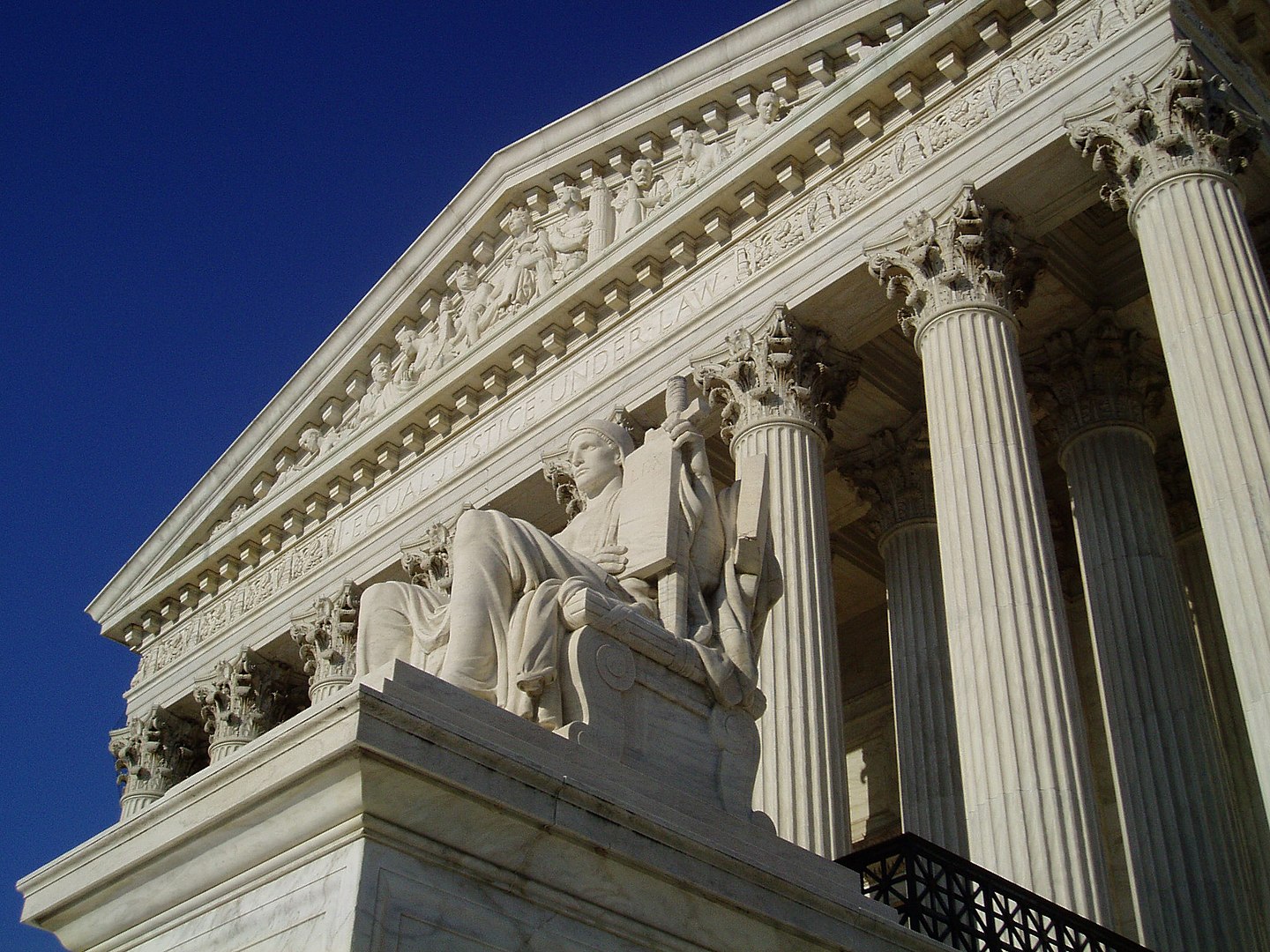
On September 3, 2025, the National Congress of American Indians (NCAI)—represented by the Native American Rights Fund (NARF) and general counsel—along with Huy and the United South and Eastern Tribes Sovereignty Protection Fund (USET SPF)—represented by Hobbs, Straus, Dean, and Walker LLP and general counsel—filed an amicus brief in the U.S. Supreme Court. The brief argues for strong legal remedies for individuals whose religious freedoms are violated while incarcerated. Filed in Landor v. Louisiana Department of Corrections, the brief supports Mr. Landor, a practicing Rastafarian who was forced to cut his dreadlocks while in a Louisiana prison.
For many Native Peoples, wearing unshorn hair is a sacred and longstanding religious tradition. It is not only a spiritual practice in itself but is often a prerequisite for participating in other religious ceremonies. Historically, the forced cutting of hair was one of the many violent methods used to impose federal assimilation policies on Native Peoples between the late 19th and mid-20th centuries.

Today, more than 29,500 American Indians and Alaska Natives are incarcerated in the United States. Enabling religious expression among incarcerated Native individuals is linked to better rehabilitation outcomes and a lower risk of recidivism. Forced haircuts imposed by prison officials deprive many Native inmates of a core aspect of their identity and place an undue burden on their ability to practice their religion. This practice is particularly harmful given its deep association with historical efforts to erase Native identity and suppress Indigenous spiritual traditions.
“As we see in Mr. Landor’s case, some of the most upsetting religious injuries suffered by incarcerated people are inflicted by the individuals who supervise them on a day-to-day basis. Recognizing that the law provides for financial damages in lawsuits against those individuals can help prevent unlawful conduct and protect religious freedom, which can be important for people seeking to live full, healthy lives,” said NARF Staff Attorney Sydney Tarzwell.
The National Congress of American Indians is the oldest and largest national organization advocating on behalf of American Indian and Alaska Native communities. Huy is a nonprofit organization dedicated to advancing religious, cultural, and rehabilitative opportunities for incarcerated American Indians, Alaska Natives, and Native Hawaiians. USET SPF is a nonprofit inter-Tribal organization representing 33 federally recognized Tribal Nations from the Northeastern Woodlands to the Everglades and along the Gulf of Mexico. Its mission includes strengthening Tribal Nations, increasing Tribal governmental capacity, and enhancing the quality of life for Native peoples.
More Stories Like This
50 Years of Self-Determination: How a Landmark Act Empowered Tribal Sovereignty and Transformed Federal-Tribal RelationsNavajo Nation Council Members Attend 2025 Diné Action Plan Winter Gathering
Ute Tribe Files Federal Lawsuit Challenging Colorado Parks legislation
NCAI Resolution Condemns “Alligator Alcatraz”
NABS Documents 134 More Survivor Stories, Expands Digital Archive in 2025
Help us defend tribal sovereignty.
At Native News Online, our mission is rooted in telling the stories that strengthen sovereignty and uplift Indigenous voices — not just at year’s end, but every single day.
Because of your generosity last year, we were able to keep our reporters on the ground in tribal communities, at national gatherings and in the halls of Congress — covering the issues that matter most to Indian Country: sovereignty, culture, education, health and economic opportunity.
That support sustained us through a tough year in 2025. Now, as we look to the year ahead, we need your help right now to ensure warrior journalism remains strong — reporting that defends tribal sovereignty, amplifies Native truth, and holds power accountable.
 The stakes couldn't be higher. Your support keeps Native voices heard, Native stories told and Native sovereignty defended.
Stand with Warrior Journalism today.
Levi Rickert (Potawatomi), Editor & Publisher