




- Details
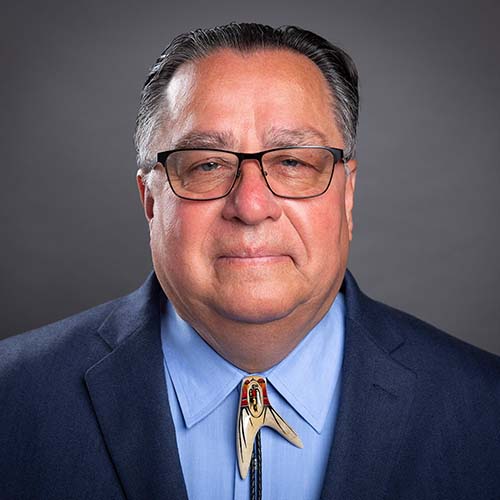
- By Chuck Hoskin Jr
Opinion. Every decision made at the Cherokee Nation — whether it’s from me, Deputy Chief Bryan Warner, the Council of the Cherokee Nation, or one of the thousands of Cherokee Nation employees who work tirelessly for our tribe — focuses through the lens of our core mission: to perpetuate Cherokee culture and build stronger, healthier communities.
Every effort to grow stronger, more prosperous Cherokee families is matched by efforts to revive, protect and preserve our cultural heritage with equal passion. The two are linked.

And this is more than just rhetoric. The Cherokee Nation identity, itself, balances between who we were and where we are going.

Recently, I signed the Cherokee Nation Historic Cemeteries Preservation Act, which I first proposed during my State of the Nation address in August, at a special ceremony at Park Hill Mission Cemetery. This law authorizes $925,000 annually to identify, document and restore historic Cherokee cemeteries.
The intent of the act is to grab hold and fortify the most tangible connection many Cherokees have to their ancestors. These are the resting places of Cherokees and their families who, against incredible odds, traveled to what is now the Cherokee Nation Reservation under forced removal by the U.S. government. Once here, they resowed the seeds of our tribe and established laws that would bind us as a Nation.
A comprehensive book documenting Cherokee Nation Historic Cemeteries will publish between 2026 and 2030. All identified historic cemeteries will be designated on the Cherokee Nation Registry of Historic Places, and Cherokees will gain new, unprecedented access to information about their ancestors’ sacred resting places.
Many Cherokees aren’t fortunate enough to grow up in proximity to Cherokee traditions. Whether due to physical distance or a family disconnection from tribal culture, it’s incumbent on us to welcome those who wish to understand or return to our culture.
For many, a burial site is the only physical connection they can explore outside of the Dawes Rolls or other paperwork.
Our most comprehensive attempt at identifying and documenting historic cemeteries, “Our People and Where They Rest,” was undertaken and published by James Tyner and Alice Timmons in 1969. The 12-volume series is indispensable for tribal descendants researching family trees and is the sole documentation of final resting places for many Cherokee ancestors.
Even for a stone marker, 55 years is too long to take for granted.
This cemeteries preservation effort aims to reestablish their work, build onto it and reclaim burial sites from the grip of time. Generations from now, Cherokees will connect to their cultural inheritance through these sacred sites. They will serve as a gateway, permitting all who wish to understand a Cherokee way of life.
The effort to inventory and share with our citizens vital information about our history is a Herculean effort, but it is really just the beginning. As we work to identify the state of historic Cherokee cemeteries, the new Act provides funds to begin restoration efforts on a priority basis. Best of all, the Act encourages us to use partners, including Gadugi Corps volunteers, to do all of this work. This can truly be a national effort.
The passion for this project — for guarding our cultural heritage — comes from a deep belief in rooting progress in culture. My administration and the Council of the Cherokee Nation walk in lockstep behind this belief. We know that the only way to be sure in our direction tomorrow is to know the course that got us here today.
Chuck Hoskin, Jr. is the principal chief of the Cherokee Nation.
More Stories Like This
The Lie We Keep Telling About Wounded KneeAnother Weapon of Mass Destruction
Colorado cannot heal until it confronts Sand Creek honestly
Native American Mothers Deserve to Live
Technology Rooted in Tradition is Strengthening Cherokee Nation
Help us defend tribal sovereignty.
At Native News Online, our mission is rooted in telling the stories that strengthen sovereignty and uplift Indigenous voices — not just at year’s end, but every single day.
Because of your generosity last year, we were able to keep our reporters on the ground in tribal communities, at national gatherings and in the halls of Congress — covering the issues that matter most to Indian Country: sovereignty, culture, education, health and economic opportunity.
That support sustained us through a tough year in 2025. Now, as we look to the year ahead, we need your help right now to ensure warrior journalism remains strong — reporting that defends tribal sovereignty, amplifies Native truth, and holds power accountable.
 The stakes couldn't be higher. Your support keeps Native voices heard, Native stories told and Native sovereignty defended.
Stand with Warrior Journalism today.
Levi Rickert (Potawatomi), Editor & Publisher