



- Details
- By Chuck Hoskin Jr
Guest. Opinion. For many decades, the United States attempted to destroy the proud culture of Native American nations. One of the darkest aspects of this campaign played out at Native American boarding schools throughout the late 19th and early 20th centuries. Thousands of Native children suffered abuse, neglect and cultural erasure in these institutions nationwide. Many never returned home, and some remain missing to this day.
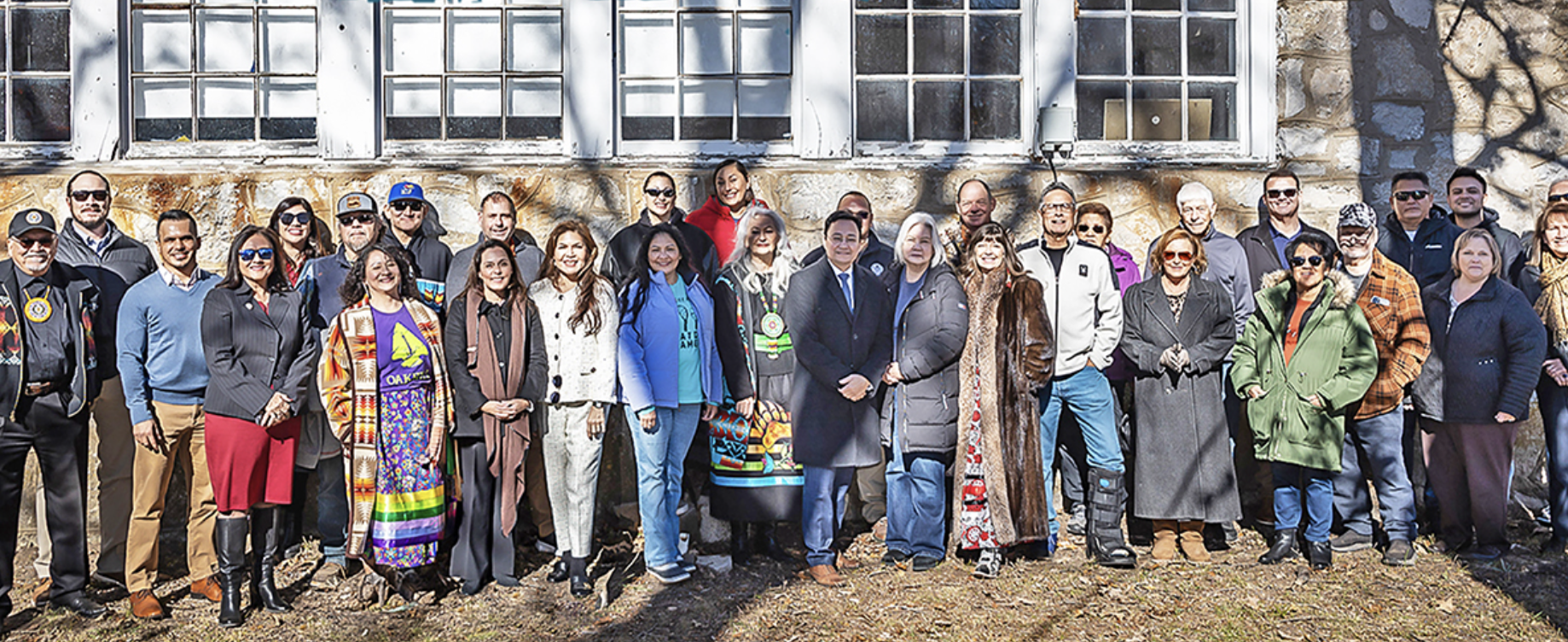
Our ancestors persevered through these attempts to break up families and destroy Cherokee values. Today, we honor their sacrifices by proudly restoring our legacy. The Cherokee Nation recently achieved a landmark victory by reclaiming the deeds to five historic Boarding School Era day school sites after four decades of negotiations with the Bureau of Indian Affairs.

This moment of restoration represents a profound step toward justice and healing for Cherokee communities, especially our precious elders who lived through this troubling era. The day schools — Ballou, Mulberry Hollow (Rabbit Trap), Oak Hill-Piney, Oaks Mission and Redbird Smith — span 84 acres across five counties.

These sites, seized by the federal government more than a century ago, are deeply rooted in Cherokee history, yet they carry a painful legacy tied to the U.S. government’s efforts to forcibly assimilate Cherokee children. The return of these lands within our reservation represents a significant opportunity to reclaim and redefine their purpose.{source}Now properly back under the stewardship of the Cherokee Nation, these lands will serve a higher purpose as places for culture, safety and community for tribal citizens. They will be integral to our goal of revitalizing rural areas inside our 7,000-square-mile reservation with broadband access, elder services, language centers and spaces for cultural and community events.
We have already started making plans at the Oak Hill-Piney site. Using funding under our historic Housing, Jobs and Sustainable Communities Act, we will work with the Oak Hill-Piney Community Organization to build a new community building on the property. That type of investment can both memorialize the history of the day school sites and help ensure a bright future.
These communities deserve what all communities should have: a safe place for children to learn, families to gather, and elders to be cared for.
The deed transfers were finalized in a signing ceremony with BIA officials, and we are grateful for the federal agency staff who understand the cultural significance of this partnership.
The effort is also part of the Cherokee Nation Repatriation Project, an initiative dedicated to reclaiming cultural patrimony and historical properties for the tribe. Other recent successes include the return of the Cherokee Advocate printing press and hair samples of Native children from Harvard University’s Peabody Museum. Make no mistake, Cherokee Nation is committed to honoring our past and reclaiming what was lost.
In the end, Cherokee control of these former school sites is about more than addressing historical injustices; it’s about empowering communities and honoring the resilience of those who endured the Boarding School Era. These five sites now stand as iconic symbols of long-delayed justice and the enduring spirit of the Cherokee people. The return of this land to our Nation represents the restoration of identity, dignity and hope for generations of Cherokees to come.
Chuck Hoskin, Jr. is the principal chief of the Cherokee Nation.
More Stories Like This
Colorado cannot heal until it confronts Sand Creek honestlyNative American Mothers Deserve to Live
Technology Rooted in Tradition is Strengthening Cherokee Nation
The Lumbee Tribe of North Carolina: #575
Tribes Do Not Need a Greenlight to Build Renewable Energy
Help us defend tribal sovereignty.
At Native News Online, our mission is rooted in telling the stories that strengthen sovereignty and uplift Indigenous voices — not just at year’s end, but every single day.
Because of your generosity last year, we were able to keep our reporters on the ground in tribal communities, at national gatherings and in the halls of Congress — covering the issues that matter most to Indian Country: sovereignty, culture, education, health and economic opportunity.
That support sustained us through a tough year in 2025. Now, as we look to the year ahead, we need your help right now to ensure warrior journalism remains strong — reporting that defends tribal sovereignty, amplifies Native truth, and holds power accountable.
 The stakes couldn't be higher. Your support keeps Native voices heard, Native stories told and Native sovereignty defended.
Stand with Warrior Journalism today.
Levi Rickert (Potawatomi), Editor & Publisher