- Details
- By Kaili Berg
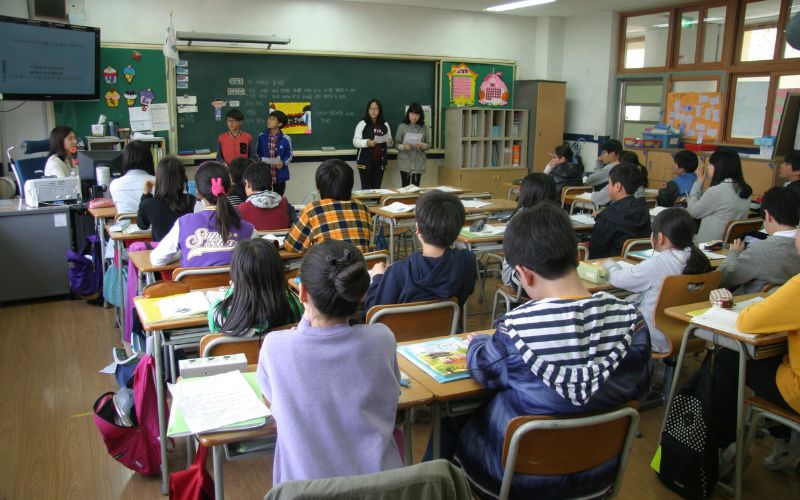
Native American students continue to face alarmingly high rates of chronic absenteeism, a trend exacerbated by the COVID-19 pandemic, the Associated Press reported last week.
This issue has become particularly prominent in California, where nearly 60% of Native students missed at least 10% of the 2022-2023 school year, exceeding the state average of 30%.

For many Native students, the barriers to consistent attendance are rooted in a combination of systemic inequities, historical trauma, and unique challenges tied to cultural and geographic factors.
Even before the pandemic, Native students were disproportionately affected by chronic absenteeism. The transition to remote learning, school closures, and the disruption of community-based support systems during the pandemic significantly worsened the problem.
Many Native students live in rural areas or on reservations, where unreliable internet access, transportation challenges, and limited educational infrastructure tie in with existing disparities.
Geographic isolation often makes it difficult for students to get to school consistently, and in some cases, families must prioritize immediate needs over regular attendance.
Economic hardship is another critical factor. Native communities experience higher poverty rates than the national average, leaving families to navigate complex decisions about where to allocate limited resources.
Children may need to stay home to care for younger siblings or work to contribute to household income. These economic pressures often intersect with health disparities, as Native communities are more likely to experience chronic illnesses and limited access to healthcare.
The historical legacy of forced assimilation through boarding schools and the systemic erasure of Native cultures from public education also plays a role. Many Native students feel alienated in schools that fail to reflect their cultural identities or histories, a challenge highlighted by a report from the National Indian Education Association.
This disconnect can create a sense of disengagement, making school attendance feel less meaningful or rewarding. Schools often lack representation of Native teachers, administrators, or culturally relevant curriculum, which further distances Native students from their educational experiences.
According to a report from the National Indian Education Association, while Native American students constitute about 1% of the public school population, only 0.5% of teachers are Native American, and in schools where Native students are the majority, just 29% of teachers are Native, with 61% being white.
Some communities and organizations are making strides to address these barriers. Programs that integrate Native languages, traditions, and histories into school curricula have shown promise in creating a sense of belonging for Native students.
Tribal partnerships with local schools are helping to build trust and create learning environments that celebrate Native culture. In Watonga, Oklahoma, the school system collaborates with Cheyenne and Arapaho programs to reduce absenteeism among Native students. These initiatives provide financial assistance for school expenses and organize conferences for tribal youth, fostering a supportive and culturally relevant educational atmosphere.
Some schools have introduced flexible learning models, including remote and hybrid options, to accommodate students in rural areas or those with family responsibilities. These efforts, however, require significant investment in infrastructure, including reliable internet access and technological support.
Engaging families and communities has also emerged as a critical strategy. Initiatives like home visits, community liaisons, and culturally relevant events at schools can strengthen the relationship between families and educators.
Some schools have even begun to offer food pantries, clothing drives, and health services to ensure students have the resources necessary to attend school. Providing transportation and improving access to clean water and adequate housing can also help alleviate some of the systemic challenges faced by Native families, as noted in reports highlighting the lack of basic infrastructure on many reservations.
More Stories Like This
Hanging a Red Dress for Christmas: MMIP, Native Higher Education, and Hope for a Better New YearNative Students Can Win $5,000 Scholarship, International Distribution in Pendleton Design Contest
American Indian College Fund Raises Alarm Over Plan to Shift Native Programs Away From the Dept. of Education
MacKenzie Scott Foundation Gives $5 Million Contribution to Little Priest Tribal College
Tribal Leaders Push Back on Dismantling of U.S. Department of Education
Help us defend tribal sovereignty.
At Native News Online, our mission is rooted in telling the stories that strengthen sovereignty and uplift Indigenous voices — not just at year’s end, but every single day.
Because of your generosity last year, we were able to keep our reporters on the ground in tribal communities, at national gatherings and in the halls of Congress — covering the issues that matter most to Indian Country: sovereignty, culture, education, health and economic opportunity.
That support sustained us through a tough year in 2025. Now, as we look to the year ahead, we need your help right now to ensure warrior journalism remains strong — reporting that defends tribal sovereignty, amplifies Native truth, and holds power accountable.
 The stakes couldn't be higher. Your support keeps Native voices heard, Native stories told and Native sovereignty defended.
Stand with Warrior Journalism today.
Levi Rickert (Potawatomi), Editor & Publisher