



- Details
- By Kevin J. Allis
Guest Opinion.The landscape of federal contracting for tribally-owned businesses has entered a precarious state following the issuance of President Donald J. Trump’s Executive Order (EO) titled “Protecting Civil Rights and Merit Based Opportunity by “Ending Illegal Diversity, Equity, and Inclusion (DEI) Policies.”
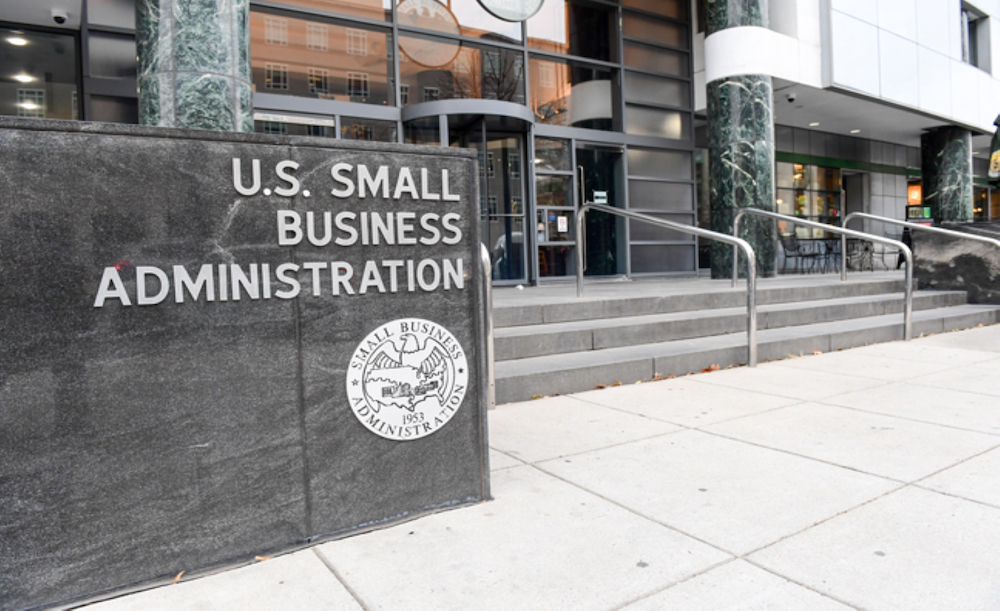
While the EO primarily targets DEI frameworks within federal agencies and contractors, its broad language and potential for misinterpretation have triggered concerns about the participation of tribally-owned businesses in the Small Business Administration’s (SBA) 8(a) program. This program has long been a cornerstone of tribal economic development, and any disruption to it could have wide-reaching implications for tribal enterprises, sovereignty, and the communities they support.

At the heart of the issue is the misperception that the benefits granted to tribally-owned federal contractors under the 8(a) program fall within the scope of DEI policies. However, the eligibility of these businesses is rooted in the political relationship between federally recognized tribes and the U.S. government, not in racial considerations. Misinterpretation of this distinction threatens to upend critical contracting opportunities, as the EO’s focus on eliminating race-based advantages may inadvertently entangle tribal programs.
One of the most immediate risks concerns the potential reclassification of eligibility for tribally-owned businesses under the 8(a) program. The EO’s mandate to eradicate any perceived DEI-related advantages could result in federal agencies questioning or even redefining the eligibility criteria for these businesses. If agencies fail to recognize the political foundation of the 8(a) program, tribally owned firms may face delays in contract awards, increased scrutiny, or legal challenges to their participation. Proactive engagement with federal agencies and legal advocacy are essential to addressing this risk before it escalates.
A related concern is the increased compliance and reporting burdens that could arise as agencies adjust their internal practices to align with the EO. Tribally owned businesses may be required to submit additional documentation proving that their eligibility is not race-based, leading to administrative delays and higher legal expenses. Developing comprehensive documentation packages in advance can help mitigate this challenge, allowing for more efficient responses to agency requests.
The EO also creates uncertainty around the continuity of existing contracts. Agencies could interpret the EO as a mandate to review and potentially terminate contracts deemed to have been awarded based on DEI frameworks. Such actions would not only affect current revenue streams but also jeopardize the financial stability of tribally owned enterprises. Strengthening relationships with contracting officers and emphasizing the political underpinnings of tribal contracting will be critical in safeguarding ongoing contracts from unwarranted cancellations.
Sole-source contracting, a key advantage for tribally-owned businesses under the 8(a) program, is another area of potential vulnerability. The EO’s emphasis on merit-based opportunity may lead to challenges against these contracts, with critics arguing that they represent an unfair advantage. Federal agencies could increase oversight or reduce the availability of sole-source contracts, creating additional hurdles for tribal enterprises. Advocacy through tribal organizations and legal channels will be necessary to ensure that agencies understand the legal distinction that supports these contracting mechanisms.
Beyond administrative and legal risks, the EO could also foster public misconceptions about the legitimacy of tribal contracting benefits. If these benefits are inaccurately portrayed as part of DEI initiatives, they could become targets of political pressure and public backlash. A strategic public information campaign will be vital to clarifying the unique legal basis of tribal contracting and demonstrating the positive economic impacts these contracts have on both tribal and surrounding communities.
Legal challenges and litigation are another significant concern. The EO may embolden opponents of federal contracting preferences to file lawsuits questioning the legality of tribal participation in the 8(a) program. Such legal battles could result in costly litigation, contract suspensions, or adverse rulings that limit future opportunities. Collaborating with national tribal organizations, legal experts, and allies will be crucial in preparing for potential legal challenges and mounting a strong defense.
Additionally, policy uncertainty resulting from inconsistent interpretations of the EO by different federal agencies poses a threat to the stability of tribal contracting. Without clear and consistent guidance, contracting officers may delay decisions, causing confusion and unpredictability in the contracting environment. Maintaining active communication with agency leadership and participating in policy discussions will help mitigate this risk and promote consistent interpretations aligned with tribal sovereignty.
To address these risks, immediate and coordinated action is necessary. Engaging federal agencies to clarify the political foundation of tribal eligibility under the 8(a) program should be a top priority. Legal teams and advocacy groups must be prepared to respond to potential litigation and ensure that tribal perspectives are included in any policy revisions. Public education efforts should highlight the distinct legal framework governing tribal contracting, emphasizing its role in promoting economic development rather than being part of a DEI narrative. Comprehensive documentation packages outlining the legal and political justifications for tribal participation should be prepared to streamline compliance efforts.
President Trump’s EO presents significant challenges to tribally owned federal contractors, but with a strategic response grounded in legal, policy, and public advocacy, these challenges can be effectively managed. By safeguarding their eligibility and addressing potential threats, tribally-owned businesses can continue to thrive, preserving their critical role in supporting tribal communities and economic self-sufficiency. Time is of the essence, and swift action will be key to protecting these vital assets.
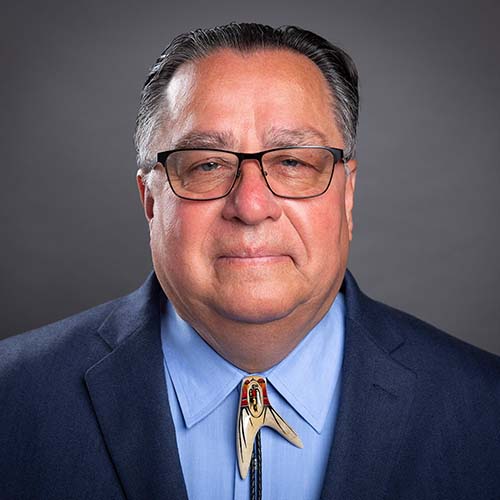
Kevin Allis (Forest County Potawatomi Community) is the founder and President of Thunderbird Strategic, LLC. Thunderbird is a DC-based Government Relations and Communications firm that specializes in advocacy and campaigns for American Indian and Alaska Native Tribal Nations and community based organizations. For more than 20 years, he has served Indian Country including in roles such as the CEO of the National Congress of American Indians and the Executive Director at the Native American Contractors Association.
More Stories Like This
Why Federal Health Insurance Policy Matters to Cherokee NationThe Absence of October's Job Report Shows Why Native American Communities Need Better Data
Tribal IDs Are Federally Recognized. ICE Agents Are Ignoring Them.
Thanksgiving: Part of "Broken Circle Holiday"
Thanksgiving is a Tradition. It's Also a Lie
Help us defend tribal sovereignty.
At Native News Online, our mission is rooted in telling the stories that strengthen sovereignty and uplift Indigenous voices — not just at year’s end, but every single day.
Because of your generosity last year, we were able to keep our reporters on the ground in tribal communities, at national gatherings and in the halls of Congress — covering the issues that matter most to Indian Country: sovereignty, culture, education, health and economic opportunity.
That support sustained us through a tough year in 2025. Now, as we look to the year ahead, we need your help right now to ensure warrior journalism remains strong — reporting that defends tribal sovereignty, amplifies Native truth, and holds power accountable.
 The stakes couldn't be higher. Your support keeps Native voices heard, Native stories told and Native sovereignty defended.
Stand with Warrior Journalism today.
Levi Rickert (Potawatomi), Editor & Publisher