



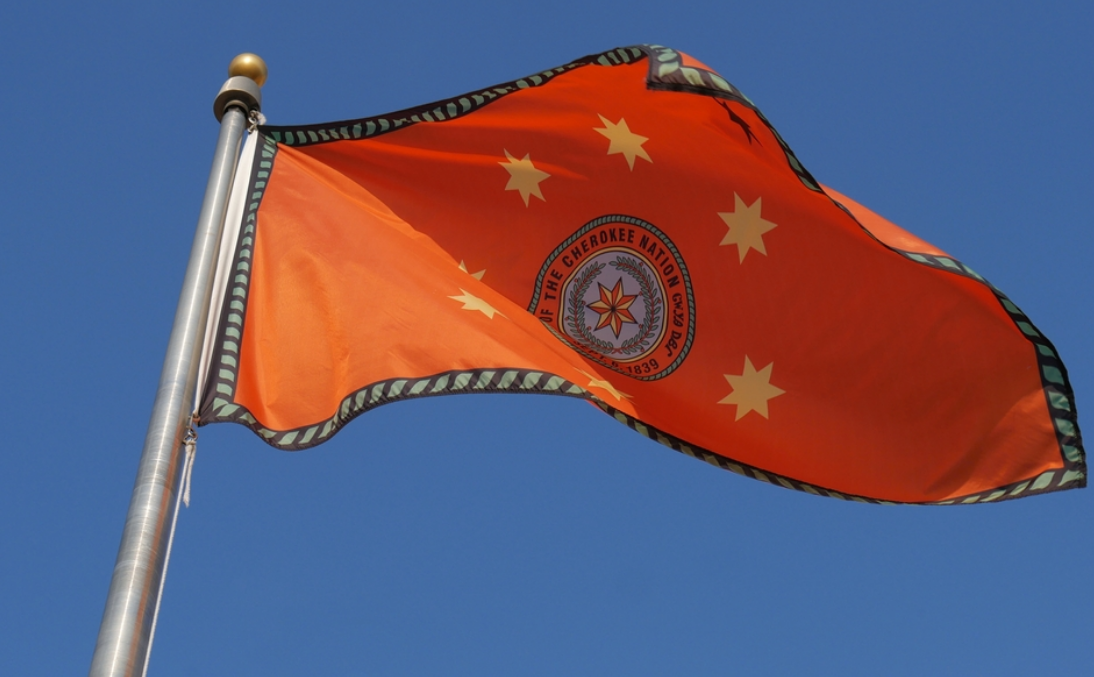
- Details
- By Chuck Hoskin Jr
Guest Opinion. Every death from cancer is a tragedy. This terrible disease has already taken far too many Cherokees from their loved ones, and it has left many others struggling with difficult symptoms and costly treatments. Yet today, I am more hopeful than ever that all Cherokees struck with cancer can receive excellent care and the best chance at a long and healthy life.
My hope is due to Cherokee Nation’s plan to strengthen investments and partnerships with state-of-the-art cancer care providers. We are building a system that will benefit generations of Cherokee patients, families, and communities.

Cherokee Nation will invest $16 million split evenly between the University of Oklahoma’s Stephenson Cancer Center in Tulsa and the Mercy Hospital in Fort Smith, Arkansas, to enhance cancer care and medical research. These substantial investments will advance cutting-edge treatments and facilities for tribal citizens who need them the most. We are strengthening our ability to fight cancer and bringing hope to Cherokee families.
Collaborations with institutions like OU and Mercy have been consistently championed by Deputy Chief Bryan Warner, the Council of the Cherokee Nation and the leadership of Cherokee Nation Health Services. We know working with these valued partners will help us fill some critical gaps in cancer care. It is a powerful example of what we can achieve when tribal nations and research institutions work together to develop more trained professionals, invest in critical research, and positively reshape the future of health care for Native people.
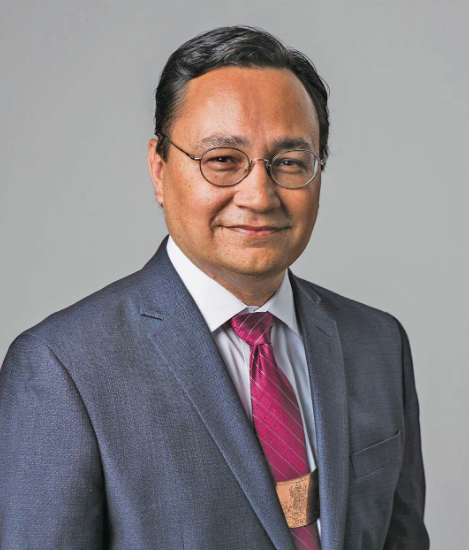
We see about 400 cancer cases annually within the CNHS, and we are advocating for all those individuals. We are making sure that quality care is not a privilege, but a right for all Cherokees.
Combined with additional priorities like access to wellness centers, expanded addiction treatment programming, and modern hospital facilities, Cherokee Nation is, more than ever, taking a holistic approach to health care. We recognize that a strong and healthy citizenry is built on access to comprehensive care.
Across the Cherokee Nation Reservation and for our citizens at-large, optimism is high for the future, including the potential for eradicating certain diseases that afflict Native families at higher levels than any other demographic. Studies show Natives in Oklahoma experience a 36% higher cancer incidence rate and a 73% higher death rate than the general population. As Cherokee Nation and local hospitals step up to take on this problem, we are also urging the federal government not to abandon its role in supporting medical research and quality care.
As with so many wonderful initiatives under my administration, the path to these partnerships started with Deputy Chief Warner. Over two years ago, Deputy Chief saw a window of opportunity to partner with Mercy on its mission to expand cancer care in Fort Smith. Leaning on his experience bringing together other health care partners within our reservation, he showed us that such a partnership to improve access to cancer care and help our neighbors was a wise investment, if we were bold enough to do it. Deputy Chief Warner’s early work with Mercy meant that a year later, when a similar opportunity with the University of Oklahoma arose in Tulsa, we were ready to quickly put together a second amazing cancer care partnership. When you see Deputy Chief Warner, please thank him for his leadership on improving our access to cancer treatment.
Cherokees have always known the importance of coming together as a people and taking care of one another, and now we take another significant step to address disparities. We are setting a new standard in health care access and delivery, ensuring that no one faces the challenge of cancer alone.
Chuck Hoskin, Jr. is the principal chief of the Cherokee Nation.
More Stories Like This
Superhuman. Should We Be Better Than We Are?Senator Ben Nighthorse Campbell Proved Representation Matters
The Lie We Keep Telling About Wounded Knee
Another Weapon of Mass Destruction
Colorado cannot heal until it confronts Sand Creek honestly
Help us defend tribal sovereignty.
At Native News Online, our mission is rooted in telling the stories that strengthen sovereignty and uplift Indigenous voices — not just at year’s end, but every single day.
Because of your generosity last year, we were able to keep our reporters on the ground in tribal communities, at national gatherings and in the halls of Congress — covering the issues that matter most to Indian Country: sovereignty, culture, education, health and economic opportunity.
That support sustained us through a tough year in 2025. Now, as we look to the year ahead, we need your help right now to ensure warrior journalism remains strong — reporting that defends tribal sovereignty, amplifies Native truth, and holds power accountable.
 The stakes couldn't be higher. Your support keeps Native voices heard, Native stories told and Native sovereignty defended.
Stand with Warrior Journalism today.
Levi Rickert (Potawatomi), Editor & Publisher