



- Details
- By Shaun Griswold
Two federal district judges said the U.S. government has $6 billion available to spend on food aid for millions of people who had prepared for those benefits to end tomorrow on Saturday, Nov. 1, 2025.
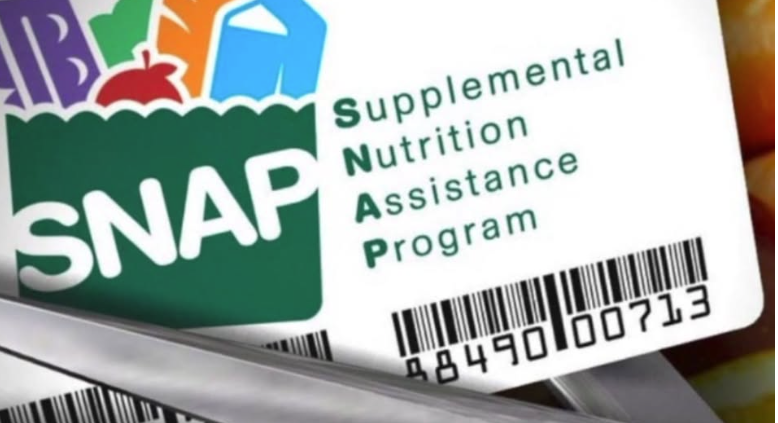
U.S. District Judge Indira Talwani ordered the U.S. Department of Agriculture (USDA) to provide her with an update Monday on the status of how it plans to spend—or how it has spent—the $6 billion that Congress approved in 2024 as a contingency fund for the Supplemental Nutrition Assistance Program (SNAP). The fund is available through September 2026 and supports roughly 42 million Americans, including up to one-half million Native Americans.
Talwani ordered the USDA to announce whether it “will authorize at least reduced SNAP benefits for November and, if so, their timeline for determining whether to authorize only reduced SNAP benefits using the contingency funds or to authorize full SNAP benefits using both the contingency funds and additional available funds.”
The ruling came in response to a lawsuit filed by several states alleging unlawful actions by the USDA in October to end SNAP benefits because of lost funding from the ongoing federal government shutdown. The states argued that significant harm would occur to food systems and their users if the USDA failed to tap into the $6 billion contingency fund included in its shutdown plan. The judge agreed, ruling that it was unlawful for the department not to use the fund before the end of the month.
“Nonetheless, at least some recipients will not receive SNAP payments at the beginning of the month, and this absence of SNAP payments will undoubtedly result in substantial harm to them,” Talwani wrote in her order.
Neither the USDA nor President Donald Trump has responded to the ruling.
A federal judge in Rhode Island also ordered the federal government to provide an update Monday on how the USDA will use emergency funds to cover SNAP benefits in cases brought by cities, nonprofits and a union. The Department of Justice can appeal the decisions in both cases.
Before the rulings, USDA Secretary Brooke Rollins refused to move toward a temporary solution to cover some of the SNAP funding losses.
Talwani wrote that the federal government “erred in concluding that USDA is statutorily prohibited from using the contingency reserve to fund SNAP benefits during the pendency of the lapse in appropriations.”
She cited the 2024 Consolidated Appropriations Act, which authorized the contingency fund. “Congress separately appropriated $6 billion to the SNAP program ‘to remain available through September 30, 2026,’ and ‘be placed in reserve for use only in such amounts and at such times as may become necessary to carry out program operations.’”
Talwani also noted that other funds could be accessed by the agency to keep SNAP operating. She cited the Agricultural Adjustment Act of 1935, which states, “Congress has set forth a mandatory, and permanent, appropriation that stems from 30% of customs receipts on all imports from the prior calendar year.”
It remains unclear when payments could go out. U.S. District Judge John McConnell, a President Barack Obama appointee, said the money should be distributed “as soon as possible.”
“There is no doubt, and it is beyond argument, that irreparable harm will begin to occur—if it hasn’t already occurred—in the terror it has caused some people about the availability of funding for food for their family,” McConnell said.
The impact of the federal shutdown on food aid has been severe and widespread for tribal governments. This week, several tribes issued emergency orders to stock tribally run food banks and ensure community members are fed. The message reached Washington, D.C., where Alaska Federation of Natives President Ben Mallott joined other tribal leaders to testify before the Senate Committee on Indian Affairs.
“The lack of SNAP benefits will overwhelm informal food assistance programs or organizations, such as food banks, in communities where they exist — to say nothing of the impacts for communities where they do not exist,” Mallott said.
More Stories Like This
Native News Weekly (August 25, 2024): D.C. BriefsQ&A: Jingle Dress Dancer Answered Call to Ceremony in Face of ICE Violence
Haaland Gets First Hand Look at Efforts to Address Homelessness in Albuquerque
Navajo Nation Secures $285 Million in Federal Broadband Funding to Connect Thousands of Homes
Oral History Project Announces 18th Stop in Denver, Colorado: NABS Continues Preserving Critical Stories Across Indian Countr
Help us defend tribal sovereignty.
At Native News Online, our mission is rooted in telling the stories that strengthen sovereignty and uplift Indigenous voices — not just at year’s end, but every single day.
Because of your generosity last year, we were able to keep our reporters on the ground in tribal communities, at national gatherings and in the halls of Congress — covering the issues that matter most to Indian Country: sovereignty, culture, education, health and economic opportunity.
That support sustained us through a tough year in 2025. Now, as we look to the year ahead, we need your help right now to ensure warrior journalism remains strong — reporting that defends tribal sovereignty, amplifies Native truth, and holds power accountable.
 The stakes couldn't be higher. Your support keeps Native voices heard, Native stories told and Native sovereignty defended.
Stand with Warrior Journalism today.
Levi Rickert (Potawatomi), Editor & Publisher