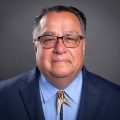


Sen. Ben Nighthorse Campbell (April 13, 1933 – December 30, 2025)
Former U.S. Sen. Ben Nighthorse Campbell, who represented Colorado in Congress for nearly two decades, died of natural causes Tuesday, Dec. 30, surrounded by family. Campbell was a tribal citizen of the Northern Cheyenne Tribe. He was 92.
Campbell served in the U.S. House of Representatives from 1987 to 1993 and in the U.S. Senate from 1993 to 2005. After retiring from politics, he lived with his wife, Linda, in Ignacio, Colorado.
When he entered the Senate in 1993, Campbell became the first Native American to serve in the upper chamber in more than 60 years.
Please support our year-end campaign. CLICK HERE TO DONATE.
Born to a Northern Cheyenne father and a Portuguese mother, Campbell rose from poverty to build a remarkable life of service and achievement.
Campbell served his country as a member of the U.S. Air Force during the Korean War era, a commitment to service that would remain a constant throughout his life. After his military service, he distinguished himself in athletics, becoming a three-time U.S. national judo champion and representing the United States internationally. His discipline and focus extended beyond sport. He became a master jeweler, renowned for his silverwork that blended traditional Native designs with contemporary forms. His art, like his life, reflected balance, strength and cultural continuity.

Before entering politics, Campbell also worked as a rancher and small-business owner, grounding him in the realities of rural and working-class life. In 1982, he was elected to the U.S. House of Representatives from Colorado, beginning a congressional career that would span nearly two decades. In 1993, he made history when he was elected to the U.S. Senate, becoming the first Native American to serve in that chamber in the modern era.
In Congress, Campbell was not merely a symbol; he was a force. He championed Native sovereignty, religious freedom and economic development in Indian Country. He championed Native sovereignty, religious freedom and economic development in Indian Country. In the Senate, he played a critical role in advancing legislation to protect sacred sites, strengthen tribal self-determination and improve health care, housing and education for Native peoples. He often reminded his colleagues that treaties were not ancient relics but binding agreements that carried moral and legal weight.
Elected to Congress as a Democrat, Campbell switched parties in 1995. During his tenure, he chaired the Senate Indian Affairs Committee and emerged as a leading advocate for tribal sovereignty, Native religious freedom and Western land and water issues.
Campbell was known for his plainspoken style and independence, sometimes defying party lines when he believed Native nations or rural communities were at stake. He carried himself with the quiet confidence of someone who knew exactly who he was and where he came from.
President George W. Bush greeted Senator Ben Nighthorse Campbell at the White House in 2004 primarily in connection with the celebration of the opening of the Smithsonian’s National Museum of the American Indian, an event recognizing the history and contributions of Native peoples to the United States. Campbell was invited as a key figure in the Tribal community and a longtime advocate for Native American issues in Congress, and Bush specifically acknowledged him during remarks at the ceremony.
At the September 23, 2004 event in the East Room of the White House, President Bush welcomed attendees to mark the opening of the National Museum of the American Indian on the National Mall in Washington, D.C., one of the largest gatherings of Native American leaders at the time. In his remarks, Bush called Campbell “a strong leader” and a friend, highlighting Campbell’s role and presence at the ceremony
His death prompted bipartisan tributes from Colorado leaders, including Sens. John Hickenlooper and Cory Gardner.