- Details
- By Elyse Wild
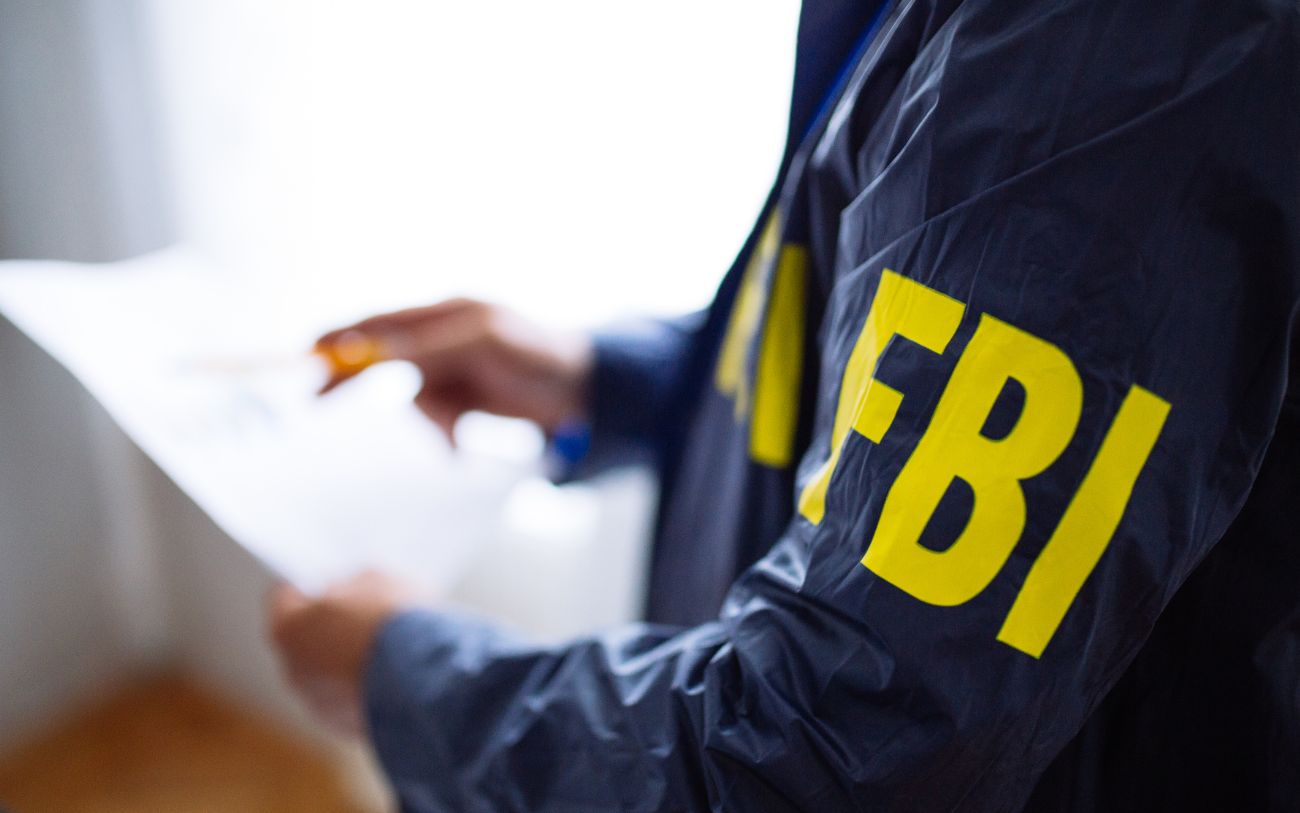
In a press briefing last month, the FBI touted the most recent results of Operation Not Forgotten, launched in 2023 to answer the lack of public safety and law enforcement resources in Native communities — one of the underpinning factors of the Missing and Murdered Indigenous Peoples (MMIP) Crisis.
Native communities face some of the highest incidences of violence in the nation. The murder rate for Native Americans is nearly four times higher than for white people.
The Operation saw 50 personnel, including FBI special agents, intelligence officers, and victim assistance, deployed to ten field offices whose service areas include Tribal nations. Those offices included Albuquerque, Denver, Portland, Omaha and more. According to an FBI official, of the 300 cases that received support, most involved child physical and sexual abuse, child sexual abuse material, serious violent assaults, domestic violence, and death investigations.
The efforts have currently led to more than 40 arrests and over 40 search warrants being executed. Eleven violent offenders were indicted, and nine child victims were identified and recovered from situations of abuse or neglect.
The FBI declined to comment on specific cases.
The success of Operation Not Forgotten lies in the continual building of trust between the bureau and Native communities, an FBI said at a press briefing last month, pointing to the Safe Trails Task Force. The task force brings together various law enforcement agencies, including tribal law enforcement, to combat violent crime in Indian Country across 26 regions.
"A lot of tribal law enforcement officers are part of safe trails task forces, which really gives us not only a force multiplier but gives us inroads in communications into tribal communities," the official said. "Nobody knows tribal communities better than the ones that serve them, day in and day out. Almost every case the FBI works is with tribal law enforcement. They're a key role and a key partnership that we continue to work on building trust in our community relations."
Individuals with any relevant information about crimes or crimes in Indian Country are encouraged to visit tips.fbi.gov to submit an online tip or contact their local FBI office.
Additional resources relating to the FBI's work in Indian country can be found on fbi.gov:
FBI MMIP
FBI Indian Country in Judicial Districts
More Stories Like This
Native News Weekly (August 25, 2024): D.C. BriefsNative News Weekly (March 1, 2026): D.C. Briefs
Scope Narrowed, Report Withheld: Questions Mount Over Michigan Boarding School Study
Zuni Youth Enrichment Project Announces Family Engagement Night and Spring Break Youth Programming
Next on Native Bidaské: Leonard Peltier Reflects on His First Year After Prison
Help us defend tribal sovereignty.
At Native News Online, our mission is rooted in telling the stories that strengthen sovereignty and uplift Indigenous voices — not just at year’s end, but every single day.
Because of your generosity last year, we were able to keep our reporters on the ground in tribal communities, at national gatherings and in the halls of Congress — covering the issues that matter most to Indian Country: sovereignty, culture, education, health and economic opportunity.
That support sustained us through a tough year in 2025. Now, as we look to the year ahead, we need your help right now to ensure warrior journalism remains strong — reporting that defends tribal sovereignty, amplifies Native truth, and holds power accountable.
 The stakes couldn't be higher. Your support keeps Native voices heard, Native stories told and Native sovereignty defended.
Stand with Warrior Journalism today.
Levi Rickert (Potawatomi), Editor & Publisher