



Guest Opinion. This July 4th, we continue to organize for an inclusive multiracial democracy where Indigenous sovereignty is respected and everyone who calls these lands home can thrive.
Unfortunately, last week the Supreme Court limited federal judges’ ability to block Trump’s unconstitutional executive orders -- including his challenges to birthright citizenship for immigrants and Native peoples.

We’ve lived here since before the United States even existed! Native peoples have called these lands home and governed our nations since time immemorial, and time and time again we have overcome attempts to eliminate our nationhood and remove us from our land. We aren’t going anywhere.
Every acre of “public land” in the United States is actually Native land. Unfortunately, leaders in the federal government keep trying to fast-track permits for exploitation and sell public lands to corporate polluters, bypassing Tribal consultation and our inherent and legal sovereignty. But our movement’s pressure is working: Both chambers of Congress removed sections of the latest budget bill that would have sold off millions of acres of public lands!
We’ll keep organizing the political pressure for the Nation-to-Nation relationship with the federal government that Tribes are constitutionally guaranteed and for respect of our traditional responsibility to protect Mother Earth for all of our descendants.
We’re also re-Indigenizing public lands to challenge attempts to eradicate us and our history. This work includes helping to lead a coalition to replace racist place names with traditional Indigenous names, and partnering with Tribes to tell the real history of the original inhabitants of public lands and how they were forcibly displaced.
The movement that is emerging across Turtle Island to protect democratic governance and structures must include the sovereign right of Tribes and Native communities to make decisions about land and resources. This includes the right to co-manage ancestral lands with the federal government, in accordance with traditional Native teachings about sustainable land management.
Together, we’ll continue correcting historical wrongs, including through Tribal-federal co-governance agreements and holding the federal government accountable to treaty obligations.
In exchange for stealing our land, the federal government agreed to fund healthcare, housing, education, nutrition, infrastructure, and economic development programs for Tribal members. With your support, we’ve sent over 100,000 messages to Congress to vote against budget cuts that would violate Tribal treaties.
There’s bipartisan political support for Tribal sovereignty, and sovereignty-related pressure has moved the administration and Congress to change some of their actions and amend some parts of the (still-awful) budget reconciliation bill.
We’ve also worked with lawmakers to introduce policies that honor the original stewards of this land, including the Reconciliation in Place Names Act, which would systematize the urgent work of renaming racist names of geographical landmarks -- replacing them instead with names chosen by Tribes and Indigenous communities.
Colonial naming practices severed Indigenous people from our cultures, our history, and our lands. These names also harm how other people see and relate to Native communities and our belief systems and practices. Changing these names can help heal historical wounds, help U.S. residents learn an accurate account of history, and re-Indigenize our land and society.
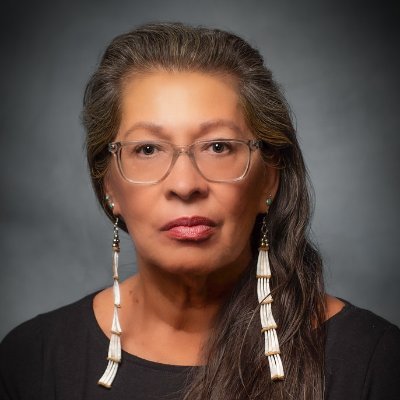
Judith LeBlanc (Caddo), executive director of Native Organizers Alliance Action Fund, whixh is a partner to Native Organizers Alliance.
More Stories Like This
Colorado cannot heal until it confronts Sand Creek honestlyNative American Mothers Deserve to Live
Technology Rooted in Tradition is Strengthening Cherokee Nation
The Lumbee Tribe of North Carolina: #575
Tribes Do Not Need a Greenlight to Build Renewable Energy
Help us defend tribal sovereignty.
At Native News Online, our mission is rooted in telling the stories that strengthen sovereignty and uplift Indigenous voices — not just at year’s end, but every single day.
Because of your generosity last year, we were able to keep our reporters on the ground in tribal communities, at national gatherings and in the halls of Congress — covering the issues that matter most to Indian Country: sovereignty, culture, education, health and economic opportunity.
That support sustained us through a tough year in 2025. Now, as we look to the year ahead, we need your help right now to ensure warrior journalism remains strong — reporting that defends tribal sovereignty, amplifies Native truth, and holds power accountable.
 The stakes couldn't be higher. Your support keeps Native voices heard, Native stories told and Native sovereignty defended.
Stand with Warrior Journalism today.
Levi Rickert (Potawatomi), Editor & Publisher