



- Details
- By Press Releases
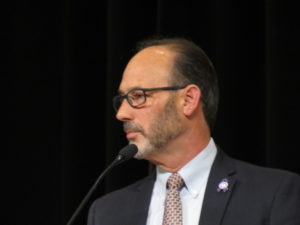 Kevin Allis
“We cannot ignore the elevated risks faced by Indian Country from this virus,“ said NCAI CEO Kevin Allis. “The federal government’s chronic underfunding of its treaty and trust responsibilities to American Indians and Alaska Natives must end – lives are at risk.” American Indian and Alaska Natives (AI/ANs) experience higher rates of the underlying medical conditions that increase the risk of severe illness and death caused by COVID-19 as compared to the general U.S. population. According to the Center for Disease Control and Prevention (CDC), those at highest risk for complications associated with COVID-19 are the elderly (age 60+) and those with chronic diseases or who are immunocompromised, which include:
- Heart disease
- Lung disease including asthma or chronic obstructive pulmonary disease
- Endocrine disorders such as diabetes
- Chronic kidney disease
- Chronic liver disease
- Compromised immune system; taking immunosuppression medications
- 16 percent of American Indian and Alaska Native households in tribal areas are overcrowded compared to 2 percent for the United States.
- Among the 213 largest tribal areas, the quarter with the highest levels of overcrowding—all more than 18 percent— was mostly in the poorest regions—the Plains, Arizona/New Mexico, and Alaska.
More Stories Like This
Native News Weekly (August 25, 2024): D.C. BriefsUS Presidents in Their Own Words Concerning American Indians
Next on Native Bidaské: Preserving Indian Health with A.C. Locklear
Hozhonigo Institute Helps Drive $34.5M in Grant Pipeline for Tribal Communities
Torres, LaMalfa Lead Push to Safeguard Culturally Important Tribal Seed Varieties
Help us defend tribal sovereignty.
At Native News Online, our mission is rooted in telling the stories that strengthen sovereignty and uplift Indigenous voices — not just at year’s end, but every single day.
Because of your generosity last year, we were able to keep our reporters on the ground in tribal communities, at national gatherings and in the halls of Congress — covering the issues that matter most to Indian Country: sovereignty, culture, education, health and economic opportunity.
That support sustained us through a tough year in 2025. Now, as we look to the year ahead, we need your help right now to ensure warrior journalism remains strong — reporting that defends tribal sovereignty, amplifies Native truth, and holds power accountable.
 The stakes couldn't be higher. Your support keeps Native voices heard, Native stories told and Native sovereignty defended.
Stand with Warrior Journalism today.
Levi Rickert (Potawatomi), Editor & Publisher