




- Details
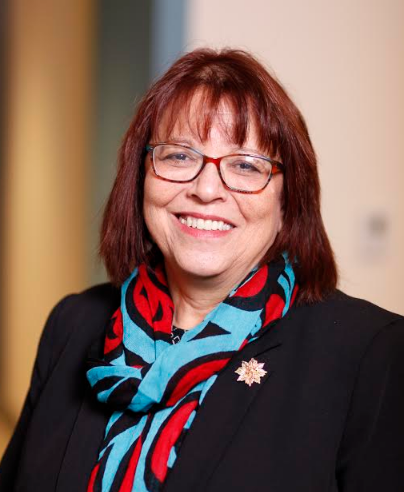
- By Cheryl Crazy Bull
Special Essay. Fall is back-to-school time for college students all over Indian Country. It is a time when I pause and think about how important tribal colleges and universities (TCUs) are and how critical it is for mainstream institutions to have support readily available for Native students.
In June, I shared thoughts about the meaning of tribal sovereignty as symbolized by our tribal flags and by the flags of tribal colleges. Now as the fall semester has started across schools nationwide, I have been thinking about how TCUs represent sovereignty and enact sovereign rights.
From their very existence and through the ways they serve students and communities, TCUs are models of tribal sovereignty. Sovereignty is a legal term that emerged to frame the rights and responsibilities of Tribal Nations. I think of sovereignty as reflecting our inherent rights as people—our right to speak our languages, inhabit and have access to our homelands, and to retain our Indigenous ways of living. Because the missions of TCUs are grounded in providing access to traditional knowledge, practices, and values, their programs strengthen sovereignty.

We can also think of sovereignty in terms of self-determination, providing Native people with access to choices, visibility, and control over our own decisions and resources. Tribally chartered institutions, like most TCUs, are established under the authority of tribes to establish their own education systems as acts of self-determination.
Both students who attend TCUs and the communities these students serve benefit in both symbolic and practical ways from their institutions’ commitment to sovereignty and self-determination. Nearly all TCUs are place-based and are located on or near tribal homelands. Our very locations reclaim lands. The education TCUs provide is restorative, helping Native students to overcome the troubling, often harmful educational effects of boarding schools. Our commitment to revitalizing cultures and languages, fostering extended family relationships, and building economies means Tribal Nations can be healthier and more prosperous. I have always appreciated that one of the most valuable characteristics of TCUs is the community they serve—comprised of the people and the land as a primary source of knowledge.
A few years ago, the College Fund, in collaboration with the Gallup Purdue Index and with funding from the Lumina Foundation, surveyed TCU alumni. Those of us who work with TCUs were not surprised that the survey revealed TCU graduates were two times more likely than their peers to thrive when it came to elements of well-being, such as feeling motivated, enjoying their work (purpose), feeling supported and loved (social), having financial security (financial), having a sense of belonging and relationships (community), and enjoying good health (physical). These survey results affirm that TCUs matter in ways that are critical to self-determination and sovereignty.
Students attending mainstream, often predominately white institutions must also have the attention and support that TCU students receive. They are entitled to this support so they can also receive an education that helps them be healthier and more prosperous.
Students are supported through representation and visibility. When students see themselves reflected in the curriculum and in the faculty, staff, and public actions of their institutions they thrive.
The purpose of education for tribal people is both well-being and self-actualization and supporting the ability to govern ourselves, which is affirmed by many scholars and educators. This occurs more naturally at TCUs because of their programs and locations. Attaining this goal of education at a mainstream institution requires a more conscious effort—not just from the faculty and staff at the institution—but also from the students who attend them.
Native people have a right to go to school wherever they wish, and while the College Fund is deeply committed to TCUs and to the continued establishment of tribal higher education institutions, we recognize that access to an education for Native students must be more broadly supported. When we support Native students in achieving their educational dreams at all higher education institutions, we strengthen Tribal sovereignty.
As the fall semester brings many good things to Native students everywhere, please join me and the College Fund by supporting Native students and advocating for their inclusion and success. Visit the College Fund’s website, www.collegefund.org, to learn more about Native students, tribal colleges, and our work at the American Indian College Fund.
Cheryl Crazy Bull (Sicangu Lakota) has led the American Indian College Fund since 2012.
More Stories Like This
Native Students Can Win $5,000 Scholarship, International Distribution in Pendleton Design ContestAmerican Indian College Fund Raises Alarm Over Plan to Shift Native Programs Away From the Dept. of Education
MacKenzie Scott Foundation Gives $5 Million Contribution to Little Priest Tribal College
Tribal Leaders Push Back on Dismantling of U.S. Department of Education
American Indian College Fund Names 12 Student Ambassadors for 2025–26
Help us defend tribal sovereignty.
At Native News Online, our mission is rooted in telling the stories that strengthen sovereignty and uplift Indigenous voices — not just at year’s end, but every single day.
Because of your generosity last year, we were able to keep our reporters on the ground in tribal communities, at national gatherings and in the halls of Congress — covering the issues that matter most to Indian Country: sovereignty, culture, education, health and economic opportunity.
That support sustained us through a tough year in 2025. Now, as we look to the year ahead, we need your help right now to ensure warrior journalism remains strong — reporting that defends tribal sovereignty, amplifies Native truth, and holds power accountable.
 The stakes couldn't be higher. Your support keeps Native voices heard, Native stories told and Native sovereignty defended.
Stand with Warrior Journalism today.
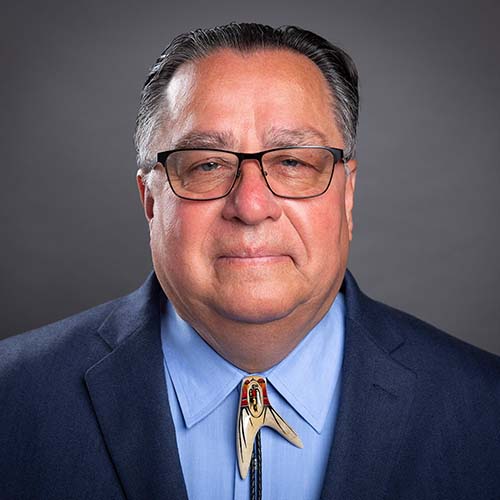
Levi Rickert (Potawatomi), Editor & Publisher