- Details
- By Levi Rickert
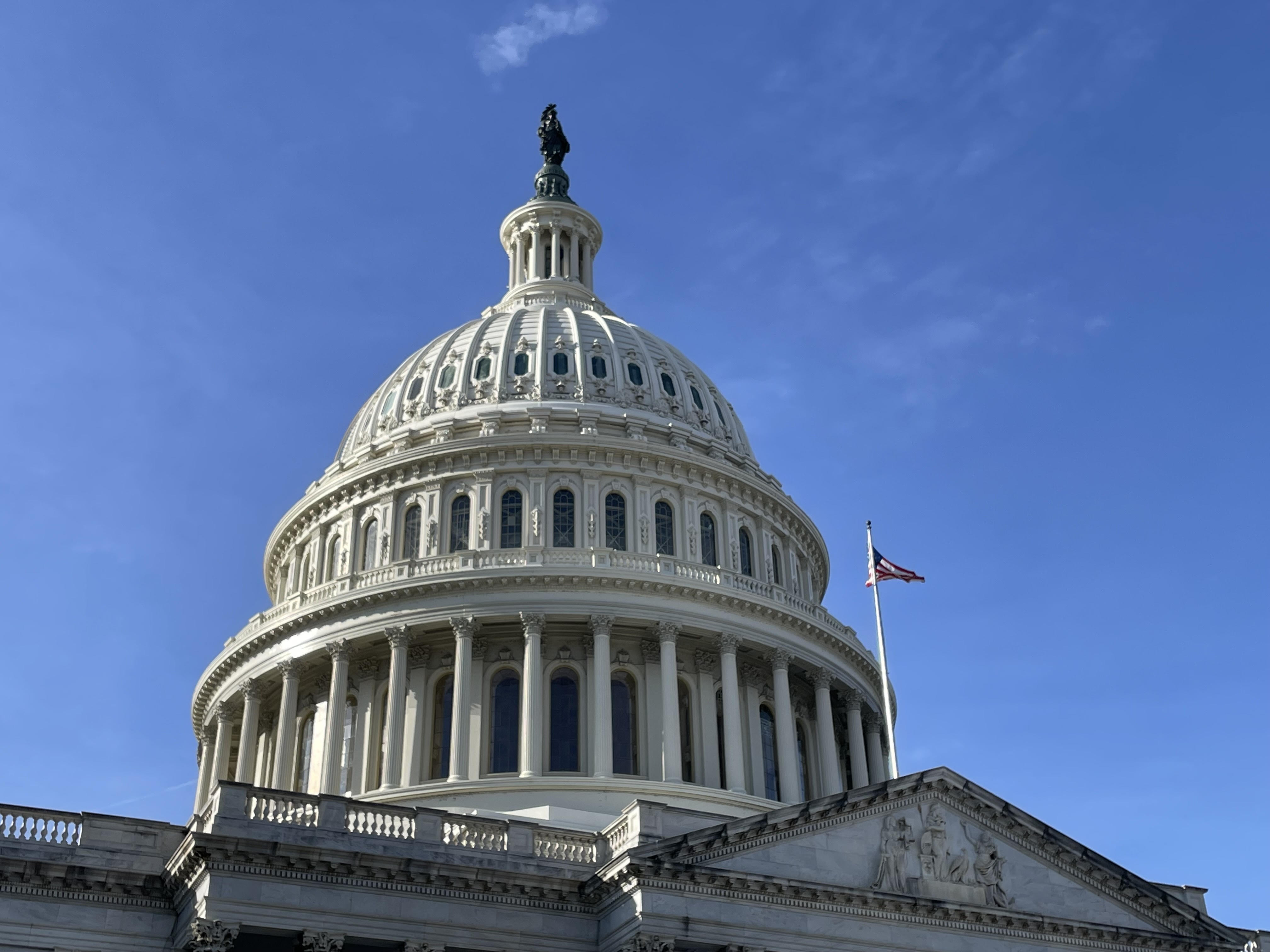
The U.S. Senate on Monday night approved a bipartisan deal to end the nation’s longest government shutdown, breaking a weeks-long standoff that disrupted food aid for millions, left hundreds of thousands of federal workers without pay, and snarled air travel across the country.
The 60–40 vote saw nearly all Republicans and eight Democrats back the measure, which funds the government and averts further layoffs. Democrats failed to secure an immediate extension of federal health subsidies set to expire at year’s end, though the agreement guarantees a December vote on the issue affecting 24 million Americans.

A small group of eight Senate Democrats joined nearly all Republicans to back the legislation, which now moves to the House of Representatives for final approval and then to the president’s desk for signature. The House of Representatives may vote on the measure as early as this Wednesday.
If the House passes the Senate bill and the president signs it, the government will officially reopen— allowing full federal operations to resume. However, the legislative work is far from done: both parties will confront disputes over health care, the debt ceiling, and long-term funding in the months ahead.
More Stories Like This
Native News Weekly (August 25, 2024): D.C. BriefsUS Presidents in Their Own Words Concerning American Indians
Monday Morning (December 22, 2025): Articles You May Have Missed This Past Weekend
Read What Our Year-End Campaign Donors Are Saying
Michigan Legislature Takes Action to Honor Civil War Native Sharpshooters
Help us defend tribal sovereignty.
At Native News Online, our mission is rooted in telling the stories that strengthen sovereignty and uplift Indigenous voices — not just at year’s end, but every single day.
Because of your generosity last year, we were able to keep our reporters on the ground in tribal communities, at national gatherings and in the halls of Congress — covering the issues that matter most to Indian Country: sovereignty, culture, education, health and economic opportunity.
That support sustained us through a tough year in 2025. Now, as we look to the year ahead, we need your help right now to ensure warrior journalism remains strong — reporting that defends tribal sovereignty, amplifies Native truth, and holds power accountable.
 The stakes couldn't be higher. Your support keeps Native voices heard, Native stories told and Native sovereignty defended.
Stand with Warrior Journalism today.
Levi Rickert (Potawatomi), Editor & Publisher