- Details
- By Kaili Berg
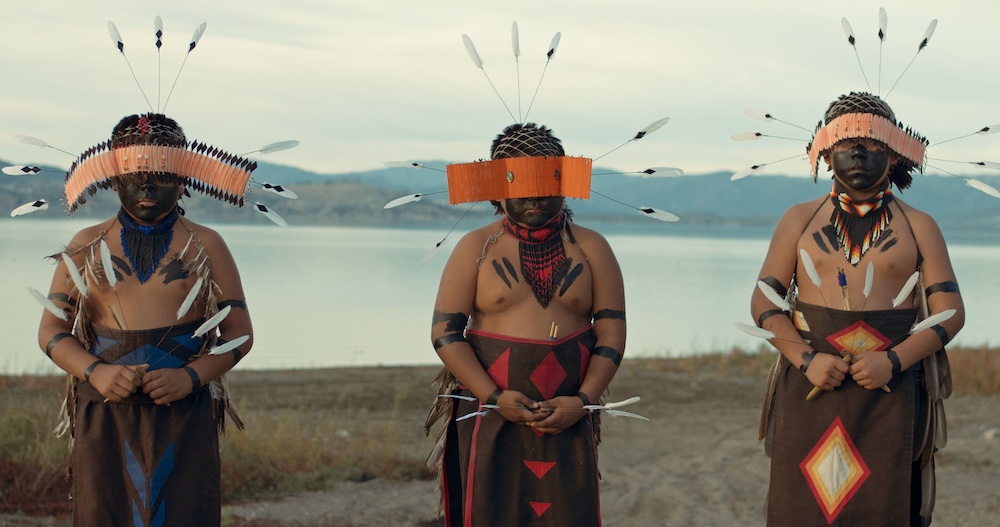
A new film coming out later this year, You're No Indian, takes a hard look at the growing practice of Native American disenrollment, a process where tribes remove individuals from their membership rolls.
Directed by Ryan Flynn, the documentary dives into how this trend has impacted thousands of people, fractured communities, and stirred up debates about identity and sovereignty.
“This isn’t just an Indigenous issue; it’s a human issue – and while I can’t fully understand the experience of disenrollment, my goal is to amplify the voices of those impacted and spark meaningful conversations,” Flynn, who is not Indigenous, told Native News Online. He spent seven years following disenrollment battles in California and the Pacific Northwest, regions where these conflicts are particularly heated.
Over the past 15 years, more than 11,000 people from 80 tribes have been disenrolled, often under contentious circumstances. For those affected, losing tribal membership means losing access to healthcare, housing, education, voting rights, and financial benefits tied to gaming revenues.

Tribes argue that disenrollment is about maintaining the integrity of their membership by removing people who don’t meet eligibility criteria. But critics, including many disenrolled members, see it as a tool for silencing dissent or consolidating resources among fewer people.
The documentary features stories like Carla Foreman, a former member of the Redding Rancheria in California, who says her family was disenrolled despite DNA evidence proving their lineage. She shares how the situation devastated her father’s health, ultimately contributing to his death.
The film also highlights how disenrollment isolates people, forcing many to stay quiet in hopes of one day regaining membership. Meanwhile, those who speak out risk being ostracized or even disenrolled themselves.
"Very few people who are proponents of disenrollment actually spoke to us because it's hard to justify," Flynn said in a press release.
Donna Featherstone of the Picayune Rancheria of Chukchansi Indians argues in the film that the issue isn’t disenrollment itself, but rather faulty enrollment processes that let in people without legitimate tribal ties. Her tribe’s history includes a violent 2014 conflict over enrollment disputes, showing how these issues can divide communities.
"You shouldn't have to go through a huge book to find some thread," Featherstone says in the film. "It's not a disenrollment problem. It's an enrollment problem."
You're No Indian was supposed to premiere at the Palm Springs International Film Festival, but the screenings were abruptly canceled, with the festival citing “scheduling errors.”
Flynn believes the cancellations may have been influenced by the film’s subject matter, as Palm Springs is near tribes that have engaged in disenrollment practices.
Native News Online reached out to the Palm Springs International Film Festival, which had not responded with a comment when this story went live.
The documentary is expected to stream later this year, and Flynn anticipates it will bring more attention to disenrollment. While some tribes may push back against the film, it could also encourage disenrolled members to share their stories more openly.
More Stories Like This
Chickasaw Holiday Art Market Returns to Sulphur on Dec. 6Center for Native Futures Hosts Third Mound Summit on Contemporary Native Arts
Filmmakers Defend ‘You’re No Indian’ After Demand to Halt Screenings
A Native American Heritage Month Playlist You Can Listen to All Year Long
11 Native Actors You Should Know
Help us defend tribal sovereignty.
At Native News Online, our mission is rooted in telling the stories that strengthen sovereignty and uplift Indigenous voices — not just at year’s end, but every single day.
Because of your generosity last year, we were able to keep our reporters on the ground in tribal communities, at national gatherings and in the halls of Congress — covering the issues that matter most to Indian Country: sovereignty, culture, education, health and economic opportunity.
That support sustained us through a tough year in 2025. Now, as we look to the year ahead, we need your help right now to ensure warrior journalism remains strong — reporting that defends tribal sovereignty, amplifies Native truth, and holds power accountable.
 The stakes couldn't be higher. Your support keeps Native voices heard, Native stories told and Native sovereignty defended.
Stand with Warrior Journalism today.
Levi Rickert (Potawatomi), Editor & Publisher