
- Details
- By Kaili Berg
On August 27, the Sisseton Wahpeton Oyate (SWO) will break ground on a new 28,000-square-foot Law Enforcement Center on the Lake Traverse Reservation.
The facility will sit next to a 25-bed detention center that is nearing completion, creating a centralized hub for public safety and justice services across the tribe’s territory in northeastern South Dakota and southeastern North Dakota.

The building was designed by EAPC Architects Engineers of Sioux Falls, and will include modern technology, secure operational spaces, and community-centered features intended to strengthen trust between tribal, state and federal partners.
“That a tribal community in South Dakota can rally its resources and build a justice center and detention facility faster than the state’s own penitentiary projects is just a bonus,” Tribal Planning Director Matthew Thompson said in a statement. “The real victory is restoring our tribe’s belief in its own ingenuity and strength.”
Together with the detention center, the complex marks one of the most significant infrastructure investments in SWO’s justice system in recent years.
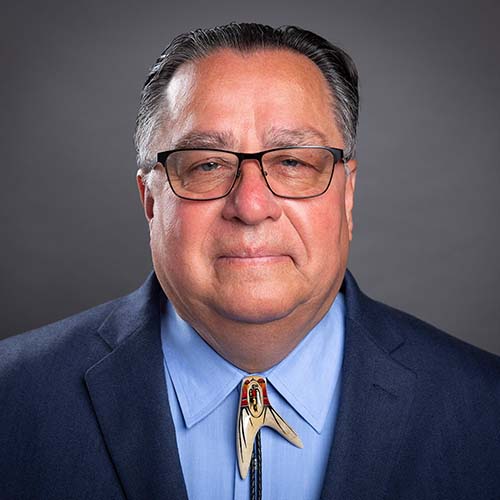
“This project marks a pivotal step in the tribe’s commitment to public safety and will serve as a hub for regional law enforcement efforts, fostering partnerships with state and federal agencies while setting a precedent for tribal communities nationwide,” Chairman J. Garret Renville said in a statement.
The groundbreaking is open to the public. Tribal leaders, law enforcement officials, and community members are invited to take part in what SWO calls a historic step towards a stronger and safer future for its people.
“This facility is something our tribe can take immense pride in, not just for our law enforcement department but for all the future employees who will serve here for generations to come,” Chief of Police Gary Gaikowski, a 32-year veteran of the Sisseton-Wahpeton Police Department, said in a statement.
More Stories Like This
50 Years of Self-Determination: How a Landmark Act Empowered Tribal Sovereignty and Transformed Federal-Tribal RelationsThe Shinnecock Nation Fights State of New York Over Signs and Sovereignty
Navajo Nation Council Members Attend 2025 Diné Action Plan Winter Gathering
Ute Tribe Files Federal Lawsuit Challenging Colorado Parks legislation
NCAI Resolution Condemns “Alligator Alcatraz”
Help us defend tribal sovereignty.
At Native News Online, our mission is rooted in telling the stories that strengthen sovereignty and uplift Indigenous voices — not just at year’s end, but every single day.
Because of your generosity last year, we were able to keep our reporters on the ground in tribal communities, at national gatherings and in the halls of Congress — covering the issues that matter most to Indian Country: sovereignty, culture, education, health and economic opportunity.
That support sustained us through a tough year in 2025. Now, as we look to the year ahead, we need your help right now to ensure warrior journalism remains strong — reporting that defends tribal sovereignty, amplifies Native truth, and holds power accountable.
 The stakes couldn't be higher. Your support keeps Native voices heard, Native stories told and Native sovereignty defended.
Stand with Warrior Journalism today.
Levi Rickert (Potawatomi), Editor & Publisher