- Details
- By Kaili Berg
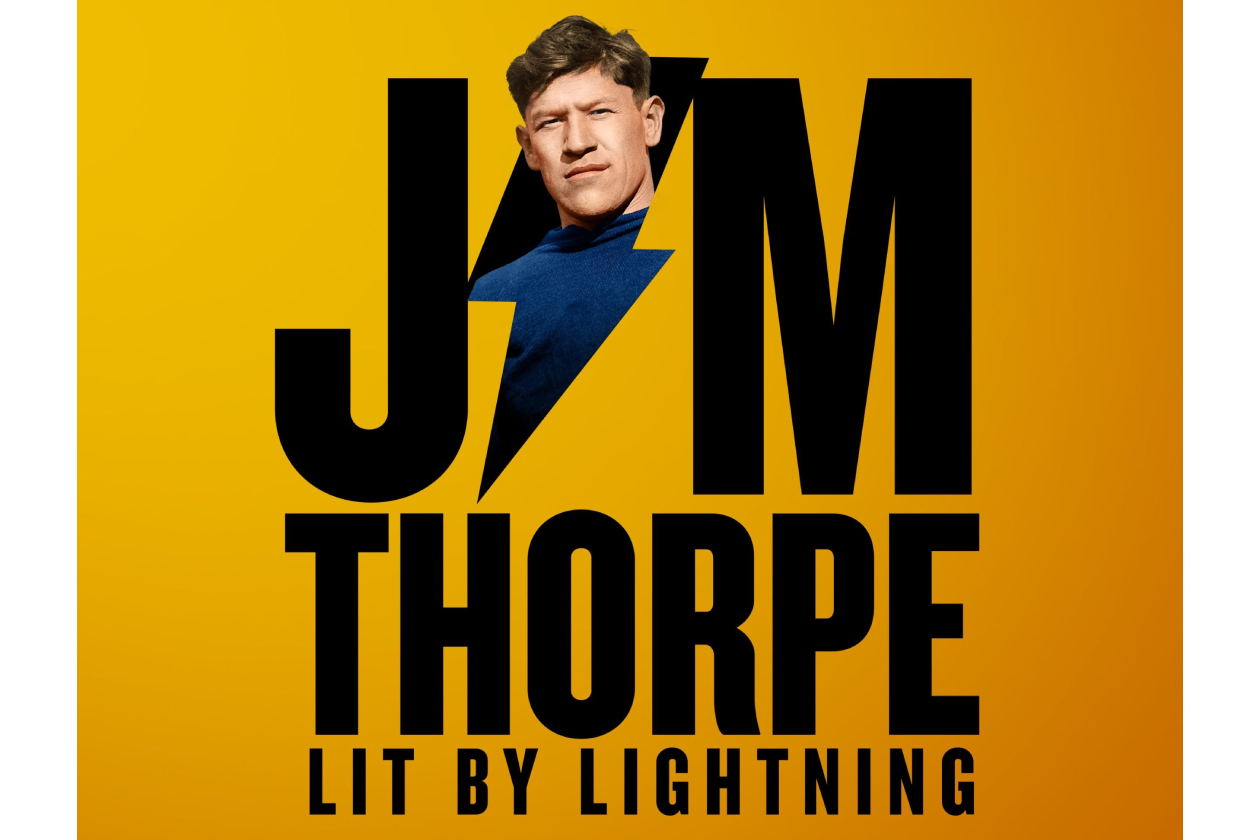
A new documentary celebrating one of the greatest athletes of all time, Jim Thorpe, premieres on The History Channel on Monday, July 7. Jim Thorpe: Lit by Lightning tells the story of the Sac and Fox/Potawatomi sports icon, often called the greatest all-around athlete in history, whose accomplishments and struggles still resonate today. The documentary premieres on The History Channel.
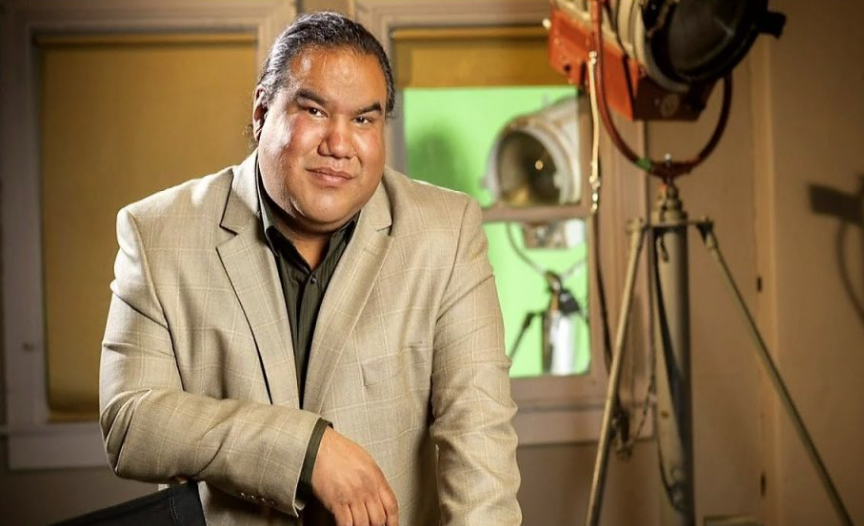
The film is directed by award-winning filmmaker Chris Eyre (Cheyenne and Arapaho), known for his groundbreaking Native-centered storytelling in works like Smoke Signals and, more recently, the hit AMC series Dark Winds.

Eyre teamed up with LeBron James’ UNINTERRUPTED sports brand for this project, marking another high-profile effort to bring Thorpe’s remarkable and often overlooked legacy to a wider audience.
Thorpe, born in Indian Territory in 1887, dominated multiple sports at the highest levels, winning gold medals in track and field at the 1912 Olympics, playing professional football, baseball, and basketball, and later advocating for Native rights.
His Olympic golds were infamously stripped by the International Olympic Committee due to a technicality over his amateur status, a decision finally reversed in 2022 after decades of advocacy.
The film not only highlights his unparalleled athleticism but also delves into the racism, erasure, and personal hardship he endured as a Native man navigating the highest levels of American sports and society.
Native News Online caught up with Eyre to talk about why Thorpe’s story still resonates, what inspired the title, and what he hopes Native youth will take away from the film. This interview has been edited for clarity and brevity.
Can you start by telling us a little about yourself and what drew you to telling Jim Thorpe’s story, and why now?
I’m Southern Cheyenne and Arapaho. I grew up in Oregon, went to NYU for grad film school, and I’ve been making movies for about 25 years , my first was Smoke Signals back in ’98.
I first heard about Jim Thorpe when I was five or six. The story was simple but stuck with me. At the Olympics, someone stole his shoes, so he found two mismatched shoes in a trash can, put them on, and still won the gold medal.
For years he was regarded as the greatest athlete ever, but a few years ago I mentioned him to a young Native person and they said, “Who’s Jim Thorpe?” That was a wake-up call, we have to keep these stories alive.
He wasn’t just a great Native athlete, but a great American athlete, and the very first celebrity athlete. I felt like his name was being lost, and that was a tragedy. So when the chance to tell his story came through LeBron James and History, I said: whatever it is, I’m in.
The title Lit by Lightning is striking. What does it mean?
Jim Thorpe’s Sac and Fox name translates to “Bright Path,” which comes from the story of a lightning strike lighting the way. We thought a lot about using “Bright Path,” but creatively we landed on Lit by Lightning, our translation of that idea.
How does this documentary challenge or reframe the mainstream narrative of Jim Thorpe’s life and career?
A lot has been written about him as a tragic figure, but I don’t see him that way. Yes, he faced incredible hardship, he lost his twin brother at nine, both parents by 11, and was sent to Indian boarding school, but he found his purpose in athletics and kept moving forward.
People also forget how revolutionary he was. He was the first celebrity athlete, famous worldwide before Native Americans were even granted U.S. citizenship in 1924. There’s a famous photo of him digging ditches during the Depression, and papers called it “shameful.” But I think Jim saw it as making himself useful. He kept surviving, kept moving forward.
That’s the story I wanted to tell. Not about his mistakes, but why we still say his name, because he was the greatest athlete ever, and one of the greatest Americans who ever lived.
Were there any moments or interviews in the film that hit you hardest emotionally?
That photo of him digging ditches stays with me. He’d been a celebrated Olympic champion, and yet during the Depression he was working for $4 a day. But you can see in the photo, he wasn’t ashamed. He was proud to be useful. That sums him up for me.
What was it like working with LeBron James’ Uninterrupted team?
They were great. They made it possible to tell this story, which I really felt was being forgotten. I’d work on any Jim Thorpe project, but thanks to them we got to do it right. We’re also developing a feature film on him, so hopefully more people will hear his story.
What do you hope Native youth take away from this film?
I hope they see a role model in Jim, someone who never quit, even when things got hard. Someone who kept moving forward.
Are there other Indigenous athletes or changemakers whose stories you’d love to tell someday?
Absolutely. Maria Tallchief’s story would make an amazing film. John Trudell, too. There are so many people, historical and contemporary, who deserve to have their stories told.
What’s next for you?
Besides Dark Winds, I’m working on a film about the Carlisle Indian School and hoping to get Christian Bale to play Richard Henry Pratt. That’s something I’m really looking forward to.
How can audiences support or help spread the message of Lit by Lightning beyond just watching?
Word of mouth is everything. If people see it and tell others, that’s the biggest win for me. When I start hearing people say, “Hey, did you see that Jim Thorpe documentary?” then I’ll feel like his name is back where it belongs.
Anything else you’d like to share?
One thing I want people to know is about the actor who plays Jim Thorpe in our recreations, Dukon Harris. He’s actually Sac and Fox, just like Jim. My casting director found him, and when I saw him, I thought he really looked like Jim Thorpe. Then she said, “And he’s Sac and Fox.” It felt like one of those serendipitous moments, like Jim’s bright path lighting the way.
More Stories Like This
Center for Native Futures Hosts Third Mound Summit on Contemporary Native ArtsFilmmakers Defend ‘You’re No Indian’ After Demand to Halt Screenings
A Native American Heritage Month Playlist You Can Listen to All Year Long
11 Native Actors You Should Know
Five Native American Films You Should Watch This Thanksgiving Weekend
Help us defend tribal sovereignty.
At Native News Online, our mission is rooted in telling the stories that strengthen sovereignty and uplift Indigenous voices — not just at year’s end, but every single day.
Because of your generosity last year, we were able to keep our reporters on the ground in tribal communities, at national gatherings and in the halls of Congress — covering the issues that matter most to Indian Country: sovereignty, culture, education, health and economic opportunity.
That support sustained us through a tough year in 2025. Now, as we look to the year ahead, we need your help right now to ensure warrior journalism remains strong — reporting that defends tribal sovereignty, amplifies Native truth, and holds power accountable.
 The stakes couldn't be higher. Your support keeps Native voices heard, Native stories told and Native sovereignty defended.
Stand with Warrior Journalism today.
Levi Rickert (Potawatomi), Editor & Publisher