



- Details
- By Darren Thompson
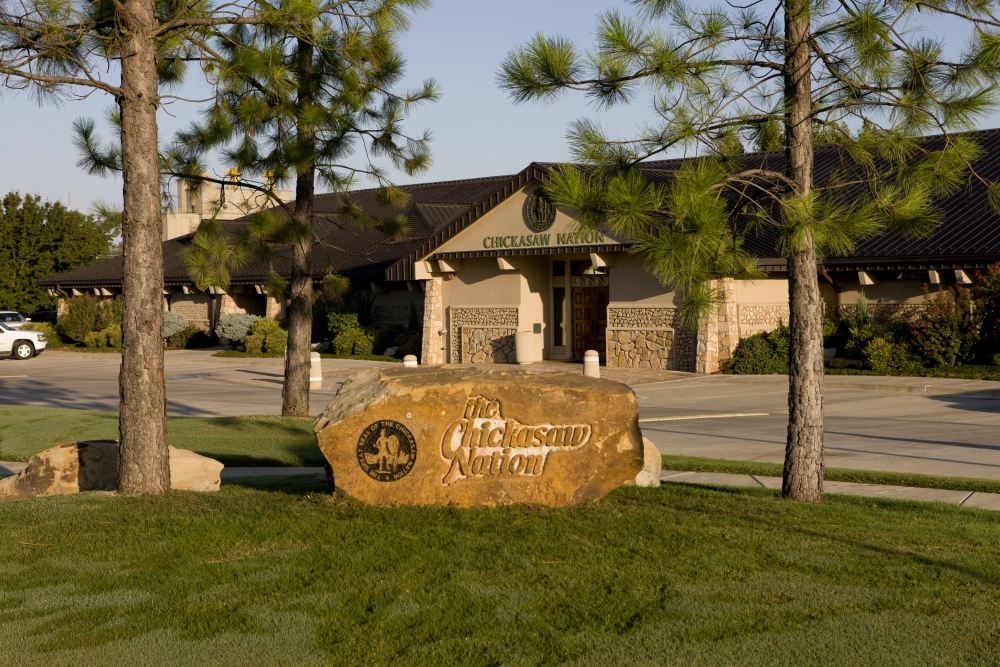
ADA, Okla. — Last month, the state of Mississippi returned the largest collection of human remains and other items of significant cultural value in the state’s history, citing the Native American Graves Protection and Repatriation Act (NAGPRA). The Chickasaw Nation of Oklahoma repatriated 403 human remains and 83 lots of funerary items from the Mississippi Department of Archives and History (MDAH) in Jackson, Miss. It is the first repatriation by the state.
“We see the repatriation process as an act of love,” said Director of Historical Preservation and Repatriation for the Chickasaw Nation Amber Hood to the Associated Press. “These are our grandmothers, grandfathers, aunts, uncles and cousins from long ago.”
Signed in 1990 by President George H.W. Bush, NAGRPA is a federal law that requires any institution that receives federal funding, which can include museums and schools, to consult with federally recognized tribes, Alaskan Natives, and Native Hawaiians. Tribes that have items in archives in an institution must be consulted with by law. Tribes can also make claims to repatriate human remains or items of significant cultural value to the tribe.
“Mississippi now keeps faith with the law to de-objectify and to humanize our ancestors and to respect their living relatives,” said Suzan Shown Harjo (Cheyenne & Hodulgee Muscogee), who received the Presidential Medal of Freedom in 2014 and co-authored the national campaign for the cultural and human rights repatriation laws to Native News Online. “The State has risen to the occasion, rejected keeping wounds open and wisely acted to help heal the Chickasaw Nation and its citizens, to the everlasting gratitude of their beloved families.”
“We won the 1989-1990 repatriation laws, after a more than 20 year journey, when we changed the focus from collectors’ property rights to Native American human rights, as follow-on laws were contemplated to be in the 1978 U.S. policy of the American Indian Religious Freedom Act,” Harjo said.
“It is truly incredible to see how NAGPRA has worked to heal on many levels and improves the way we interpret history—past and present,” said MDAH Director of Archaeology Collections Megan Cook to Native News Online.
The consultation process strengthens MDAH’s relationships with Tribal partners, says Megan Cook. MDAH’s partners include the Alabama-Coushatta Tribe of Texas, the Alabama-Quassarte, the Chickasaw Nation, the Choctaw Nation, the Coushatta Tribe of Louisiana, the Eastern Band of Cherokee Indians, the Jena Band of Choctaw Indians, the Miami Tribe of Oklahoma, the Mississippi Band of Choctaw Indians, the Muscogee (Creek) Nation, the Osage Nation, and the Quapaw Tribes of Oklahoma. “These relationships are invaluable in that they allow us to interpret our past from a Native voice, rather than those from museum professionals,” says Cook.
“We have expanded in the spirit of NAGPRA to consult on items we sell in our store, publication revisions, and collaborative research,” Cook says. After repatriating human remains and their cultural items to the Chickasaw Nation, MDAH also launched a new website aimed at making their efforts of repatriation with tribal partners more visible.
According to the Clarion Ledger, the Chickasaw Nation will rebury the remains in a ceremony held at an undisclosed location in Mississippi later this year. According to the National Park Service, at least another 116,000 ancestors are still waiting to be returned to tribes.
More Stories Like This
Native News Weekly (August 25, 2024): D.C. BriefsUS Presidents in Their Own Words Concerning American Indians
Haaland Meets with Southern New Mexico Law Enforcement on Public Safety Priorities
This Day in History – Dec. 26, 1862: 38 Dakota Men Executed by Order of Abraham Lincoln
Merry Christmas 2025
Help us defend tribal sovereignty.
At Native News Online, our mission is rooted in telling the stories that strengthen sovereignty and uplift Indigenous voices — not just at year’s end, but every single day.
Because of your generosity last year, we were able to keep our reporters on the ground in tribal communities, at national gatherings and in the halls of Congress — covering the issues that matter most to Indian Country: sovereignty, culture, education, health and economic opportunity.
That support sustained us through a tough year in 2025. Now, as we look to the year ahead, we need your help right now to ensure warrior journalism remains strong — reporting that defends tribal sovereignty, amplifies Native truth, and holds power accountable.
 The stakes couldn't be higher. Your support keeps Native voices heard, Native stories told and Native sovereignty defended.
Stand with Warrior Journalism today.
Levi Rickert (Potawatomi), Editor & Publisher