



- Details
- By Nina Shapiro -- Seattle Times
Colville tribal leaders aren't waiting on corporate America. When it comes to providing broadband, "nobody else is going to do it," said Damon Day, the Colville Reservation’s chief information officer and a member of the federal Native Nations Communications Task Force. "We learned that the hard way."
This article is an excerpt from an article originally published by The Seattle Times, produced as part of the USC Annenberg Center for Health Journalism’s 2021 National Fellowship. Read the entire article here.
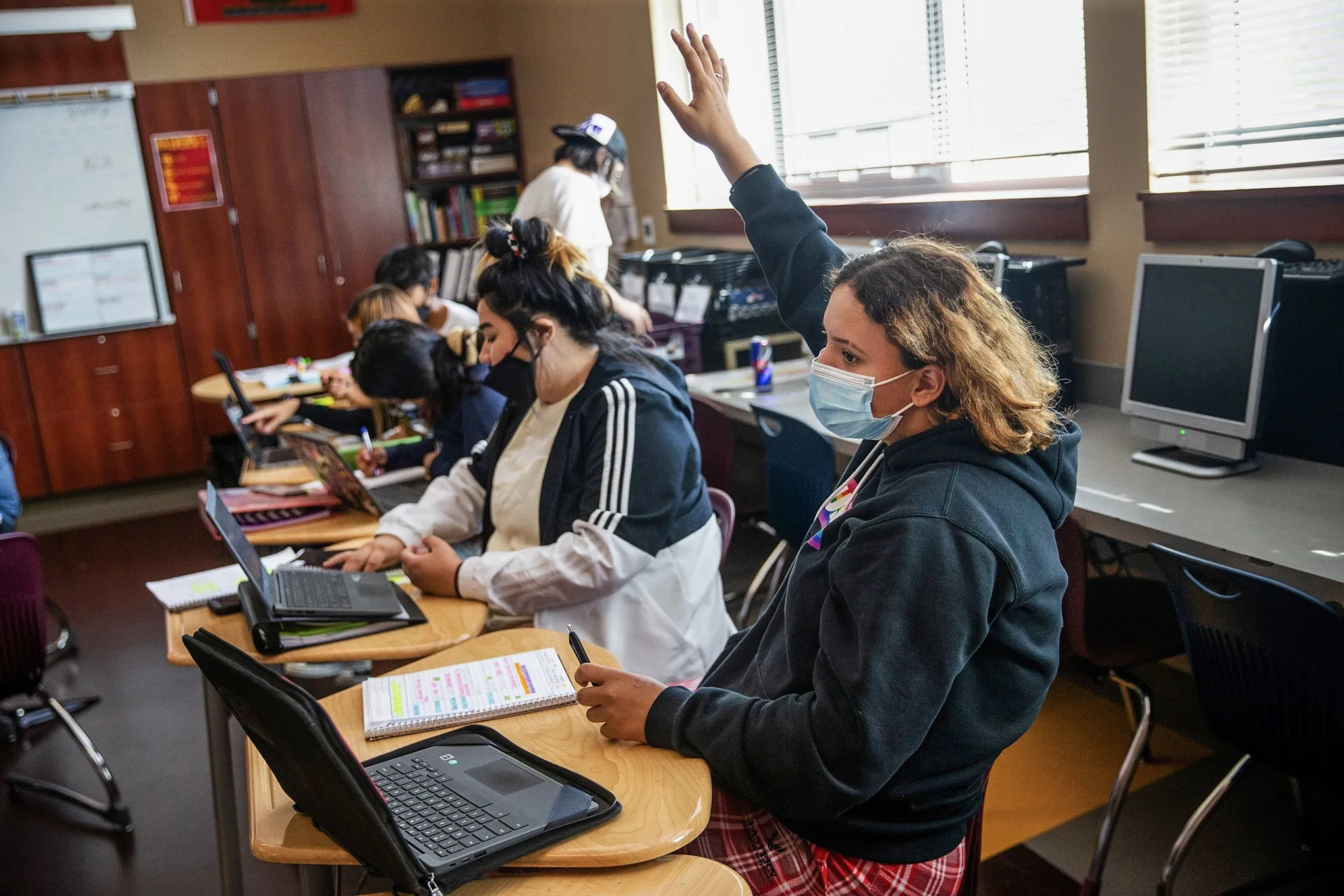
So Colville leaders resolved to build their own system. Over the past year, using COVID relief funds and a radio frequency license the FCC granted to more than 150 tribes nationwide, Colville officials have been putting up towers for wireless broadband and handing out devices to receive signals at home.
They've made the service free, and have prioritized families with school kids, aiming to have most people online by 2026, according to Tiffany Circle, in the Colville Reservation's IT department.
At the same time, the tribes set about finishing a project they've been working on for years, putting in fiber along Highway 155 between Nespelem and Omak. What's more, Day said, "At some point, the tribes are going to stand up an internet service provider company."
The tribes were going to "swing for the fences," he said, requesting tens of millions more dollars in federal funding. As he was explaining that, talking by cellphone while driving on a remote road, the call dropped.
They are making progress, Day managed to convey before that, but there is a lot of work yet to do.
Read more here.
Help us defend tribal sovereignty.
At Native News Online, our mission is rooted in telling the stories that strengthen sovereignty and uplift Indigenous voices — not just at year’s end, but every single day.
Because of your generosity last year, we were able to keep our reporters on the ground in tribal communities, at national gatherings and in the halls of Congress — covering the issues that matter most to Indian Country: sovereignty, culture, education, health and economic opportunity.
That support sustained us through a tough year in 2025. Now, as we look to the year ahead, we need your help right now to ensure warrior journalism remains strong — reporting that defends tribal sovereignty, amplifies Native truth, and holds power accountable.
 The stakes couldn't be higher. Your support keeps Native voices heard, Native stories told and Native sovereignty defended.
Stand with Warrior Journalism today.
Levi Rickert (Potawatomi), Editor & Publisher