



- Details
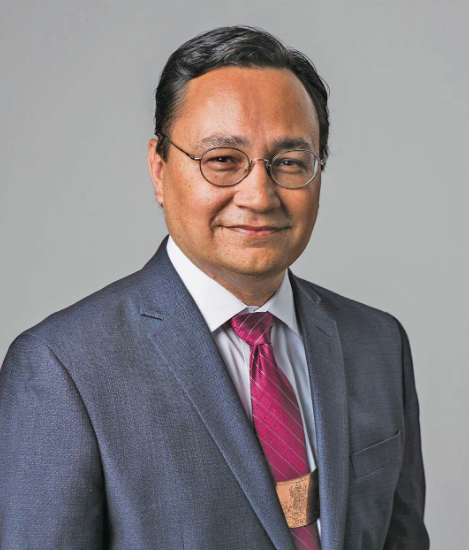
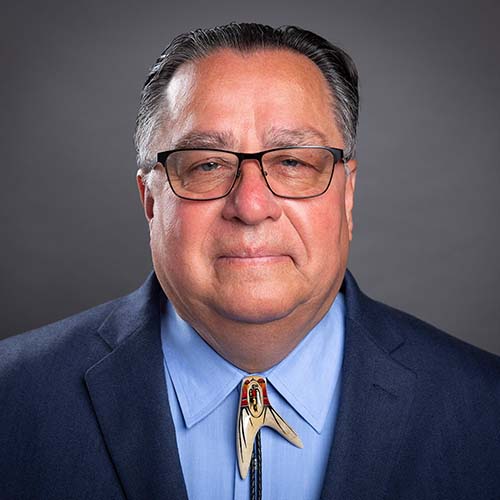
- By Chuck Hoskin Jr
Guest Opinion. In recent decades, Cherokee Nation has continued to prosper in cultural preservation, health care and economic development by leaps and bounds. But when we assess our nation’s true strength, we can only measure success by what is afforded to our most vulnerable citizens.
Record investments into education, childcare and scholarships offer new pathways every year to the teaching and development of our children and Cherokees of all ages. An elder nutrition expansion, announced in October, will dedicate up to $2 million to improve elder nutrition and food access across our reservation. And our commitment to health care access for all citizens has never been stronger as we assumed operations of the former Claremore Indian Hospital this year and will soon break ground on a new health facility in Claremore.
Despite these best efforts, we see a glaringly high rate of poverty in rural areas of the Cherokee Nation Reservation. Although poverty rates decline year over year in tribal areas overall, poverty among Native Americans and non-Native Oklahomans has risen in rural areas, according to an analysis by the Federal Reserve Bank of Kansas City.
While we know that access to education, food and health care all positively affect poverty, none of those programs directly target the root of poverty that increasingly binds families in rural areas. The Cherokee Nation Opportunity Zones plan, which Deputy Chief Bryan Warner and I recently introduced, uses aggressive and innovative new tools to change that.
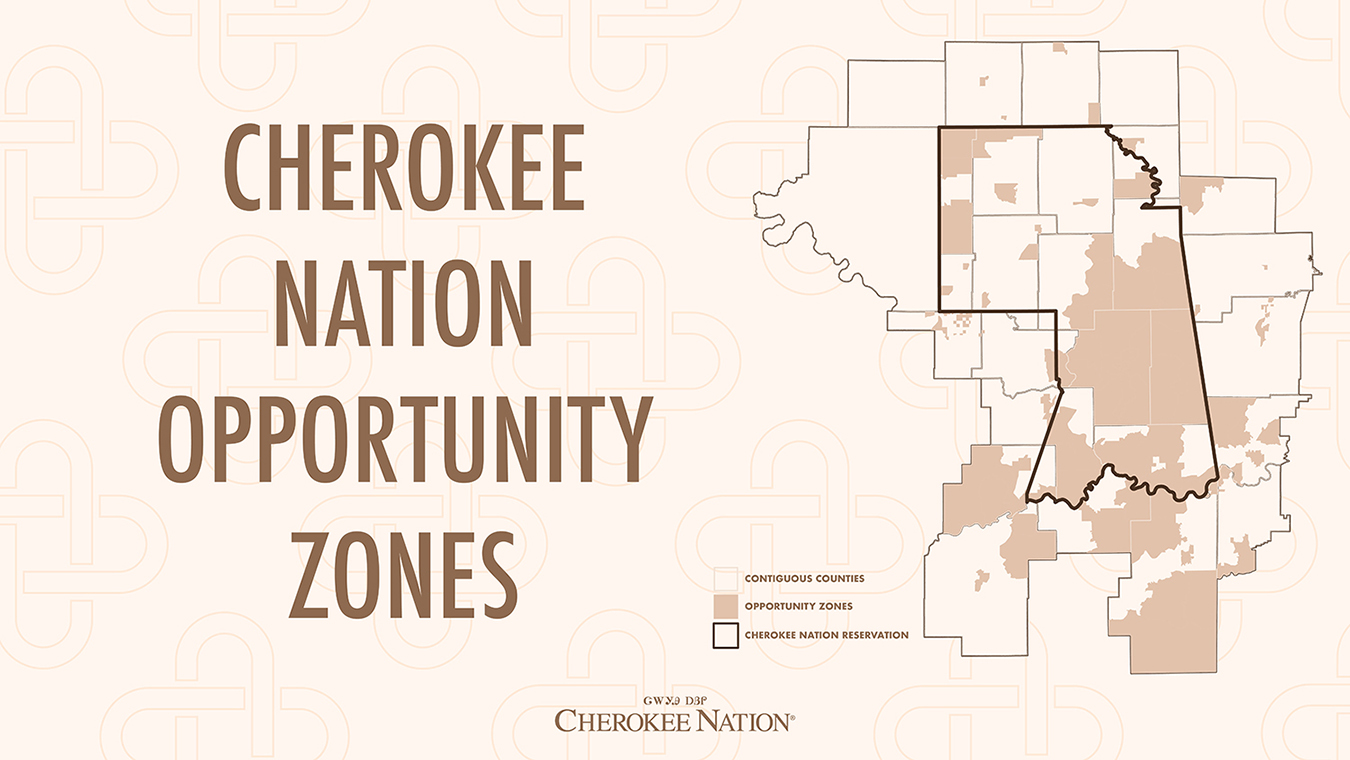
We have identified more than 180 U.S. Census Tracts in or touching our borders where the poverty rate exceeds 19% or higher or living in a federally designated “persistent poverty county.” That’s one out of every five people — Cherokee and non-Cherokee alike — living in extreme poverty in and near our reservation.
The plan laser targets parts of the Cherokee Nation where investment is needed the most and then establishes a clear path for investment with increased lending caps for micro-loans, lower interest rates and easier access.
The plan primarily uses two long-established small business capital programs: the Cherokee Nation Economic Development Trust Authority and the State Small Business Credit Initiative. Although Cherokee Nation’s loan programs are available across the reservation and across the country, the Opportunity Zone plan includes significant incentives for investment in poverty-prone areas.
Our Economic Development Trust Authority has loaned more than $35 million to small businesses since 2010, and our tribe’s small business credit initiative is slated to provide more than $84 million through 2034.
While the programs themselves are not new, Cherokee Nation will facilitate their usage in Opportunity Zones with new, innovative rules.
We are already seeing these Opportunity Zone investments take shape. The first loans under this plan have gone out the door, including in Wagoner, where Jay’s Place used Opportunity Zone financing to purchase commercial real estate. The longtime auto repair shop had previously leased its space, but now owns the building where it operates — a meaningful step toward long-term stability, growth and job retention in a rural community that needs it.
First, the plan extends our largest loan program to non-Cherokee Nation citizens who invest in the zones. This follows our philosophy that Cherokee families rise and struggle alongside their community. We want Cherokees and our neighbors to flourish in the spirit of Gadugi, a Cherokee belief and commitment to work together for a common good.
Second, the plan authorizes special public investment projects, such as infrastructure, to support third-party partners. Two such pilot projects are planned for the tribe’s industrial park near the Adair County communities of Cherry Tree and Stilwell, as well as a project in the Sequoyah County community of Marble City.
These two steps open our funding mechanisms to many more projects, and we hope communities in Opportunity Zones take advantage of them.
Our goal for the Cherokee Nation Opportunity Zones plan is simple: get available funds to spur growth where it is needed the most. Opportunity Zones are a bipartisan economic development concept, backed by President Donald Trump’s administration. It’s a great tool that we are taking full advantage of to intervene and disrupt poverty’s growth in rural areas.
Cherokee families in or approaching poverty become isolated. When families are struggling, their sole focus is on day-to-day necessities, such as rising food costs and overdue bills, there’s no room for anything else.
We want to intervene and work with Cherokee families, business owners and their neighbors to disrupt poverty’s growth in rural areas. We want Cherokees to reengage with their culture by giving them the tools they need to break the bonds of poverty.
To learn more about our small business and micro-lending programs, designated Opportunity Zones, or public investment opportunities, contact Cheroke Nation Commerce Services at 918-453-5536.
Chuck Hoskin, Jr. is the principal chief of the Cherokee Nation.
More Stories Like This
The SAVE America Act Threatens Native Voting Rights — We Must Fight BackThe Presidential Election of 1789
Cherokee Nation: Telling the Full Story During Black History Month
Jesse Jackson Changed Politics for the Better
Native News Online at 15: Humble Beginnings, Unwavering Mission
Help us defend tribal sovereignty.
At Native News Online, our mission is rooted in telling the stories that strengthen sovereignty and uplift Indigenous voices — not just at year’s end, but every single day.
Because of your generosity last year, we were able to keep our reporters on the ground in tribal communities, at national gatherings and in the halls of Congress — covering the issues that matter most to Indian Country: sovereignty, culture, education, health and economic opportunity.
That support sustained us through a tough year in 2025. Now, as we look to the year ahead, we need your help right now to ensure warrior journalism remains strong — reporting that defends tribal sovereignty, amplifies Native truth, and holds power accountable.
 The stakes couldn't be higher. Your support keeps Native voices heard, Native stories told and Native sovereignty defended.
Stand with Warrior Journalism today.
Levi Rickert (Potawatomi), Editor & Publisher