- Details
- By Levi Rickert
Opinion. Last weekend, I flew from Michigan to Minneapolis to report on the mobilization of tribal communities following the killing of Renee Nicole Good by an ICE agent on Jan. 7, 2026.
The Native community in Minneapolis is composed of tribal citizens from numerous Native nations across the United States. During the federal Relocation Era, when Native Americans were moved from reservations into urban centers, Minneapolis and its twin city, St. Paul, attracted thousands of Indigenous people. Today, the Twin Cities area is home to an estimated 35,000 Native Americans.
Since the Trump administration deployed thousands of federal immigration officers to the Twin Cities as part of an expanded enforcement operation, Indigenous people and other communities of color have increasingly become entangled in aggressive immigration actions. Black, Brown and Native residents report being targeted in sweeps and detentions, and community members say some detained individuals have vanished from federal records.
On the day Good was killed, the community mobilized neighborhood patrols in areas where many Native Americans reside. Their goal has been to protect one another and ensure the safety of their neighbors amid heightened fear of federal law-enforcement actions.
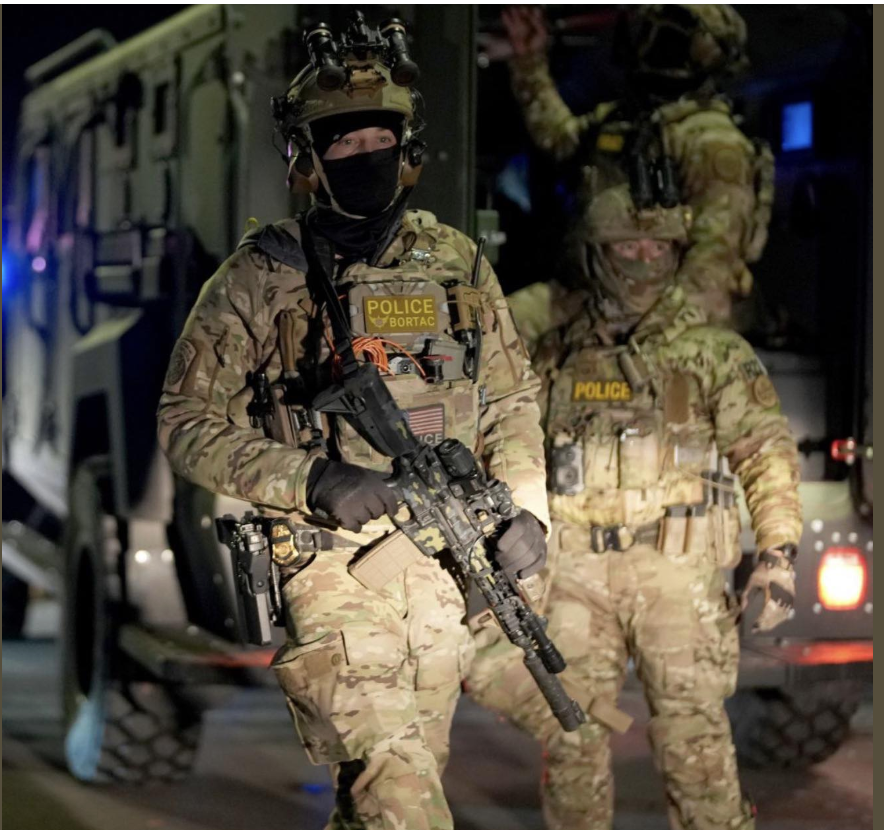
Many of the people I interviewed described living in constant fear of the harsh tactics used by ICE and other federal agents — tactics they say include masked officers, aggressive stops, and physical confrontations with residents who, they insist, have done nothing wrong. And besides, where exactly are you going to deport a Native American?
These mobilizations and protests intensified after another killing in Minneapolis on Jan. 24, when Veterans Administration ICU nurse Alex Pettri was killed, drawing thousands locally and prompting nationwide demonstrations demanding accountability, transparency and an end to the current immigration enforcement surge.
Interviewees told me they simply want federal agents to leave the Twin Cities so they can return to ordinary life without the constant threat of violence.
These sentiments are not limited to Native Americans. A Marist poll released on Feb. 5 found that 65 percent of Americans believe ICE has gone too far. The two Minneapolis killings last month by federal immigration officers have marked a defining moment in the debate over America’s immigration enforcement priorities. According to the same poll, 62 percent of Americans judged the shootings unjustified, and many say ICE’s presence is making cities less safe, not safer.

This coming week, Congress will decide on funding for the Department of Homeland Security, the agency under which ICE operates — a decision many in Minneapolis view as directly tied to their safety and civil rights.
Yet Congress is considering billions more dollars in funding for DHS. Before allocating more money, lawmakers must reckon with the real consequences of unchecked enforcement: civilian deaths, eroded trust in law enforcement, and deep fractures between communities and the federal government.
As with so many issues during Donald Trump’s presidency, the debate is deeply polarizing, with Republicans arguing that ICE is doing a remarkable job. Democrats, however, appear more aligned with what most Americans say they want from immigration law enforcement. Among the reforms Democrats are demanding are:
- Judicial warrants for federal immigration agents to enter private property
- Prohibitions on masks or face coverings that conceal agents’ identities
- Visible identification on uniforms and verbal identification upon request
- Protections for sensitive locations such as schools, churches, hospitals, polling sites, and childcare facilities
- An end to racial profiling and limits on stops based on race, language, or appearance
- Use-of-force standards consistent with ordinary policing rules
- Body-worn cameras to record interactions with the public
Congress must put guardrails on the Gestapo-like tactics increasingly reported in ICE operations.
Last year’s passage of the so-called Big Beautiful Bill represents a dramatic escalation in ICE funding, both in raw dollars and relative scale. Prior to the bill, ICE’s annual budget hovered around $9 billion. Under the new law, ICE is slated to receive well over $100 billion through 2029, including tens of billions for detention expansion, staffing and enforcement operations.
Even when spread over several years, this amounts to two to three times ICE’s historical annual funding, and in cumulative terms reflects an increase of 900 percent or more compared with pre-bill levels. As part of a broader $170 billion immigration and border-enforcement package, ICE now commands one of the largest domestic law-enforcement budgets in the federal government.
This surge fundamentally reshapes federal priorities. ICE’s expanded funding now rivals or exceeds that of long-established agencies such as the FBI or DEA when measured annually, and it consumes a significant share of total DHS spending. An agency that repeatedly faces questions about excessive force and lacks sufficient transparency should not receive expanded budgets.
Congress has an opportunity to reset and remove the ugly politics from what should be a collective effort to ensure that basic civil liberties are not undermined by overly aggressive ICE agents who are instilling more fear in this country than necessary.
Thayék gde nwéndëmen — We are all related.
More Stories Like This
Tribal Economic Development Programs in the Federal Contracting Environment: What They Are, and What They Are NotWhy Redefining Public Health Degrees Would Harm Native and Rural Communities
The SAVE America Act Threatens Native Voting Rights — We Must Fight Back
The Presidential Election of 1789
Cherokee Nation: Telling the Full Story During Black History Month
Help us defend tribal sovereignty.
At Native News Online, our mission is rooted in telling the stories that strengthen sovereignty and uplift Indigenous voices — not just at year’s end, but every single day.
Because of your generosity last year, we were able to keep our reporters on the ground in tribal communities, at national gatherings and in the halls of Congress — covering the issues that matter most to Indian Country: sovereignty, culture, education, health and economic opportunity.
That support sustained us through a tough year in 2025. Now, as we look to the year ahead, we need your help right now to ensure warrior journalism remains strong — reporting that defends tribal sovereignty, amplifies Native truth, and holds power accountable.
 The stakes couldn't be higher. Your support keeps Native voices heard, Native stories told and Native sovereignty defended.
Stand with Warrior Journalism today.
Levi Rickert (Potawatomi), Editor & Publisher