- Details
- By Neely Bardwell
The crystal waters of the St. Mary’s River in northern Michigan and southern Ontario once teemed with whitefish, a vital food source for the Anishinaabek people. But after two centuries of colonization, overfishing and invasive species, these culturally significant fish populations have declined sharply.
Now, the Sault Ste. Marie Tribe of Chippewa Indians is working to restore them, a story documented in a new short film, Sacred Waters: Anishinaabeg Naagdawenmaanaanig Giigoonhkewin (The First People Taking Care of the Fishery). The 15-minute film documents the historical connection between tribes and the northern Great Lakes, focusing on how Sault Tribe biologists are leading efforts to restore whitefish populations.
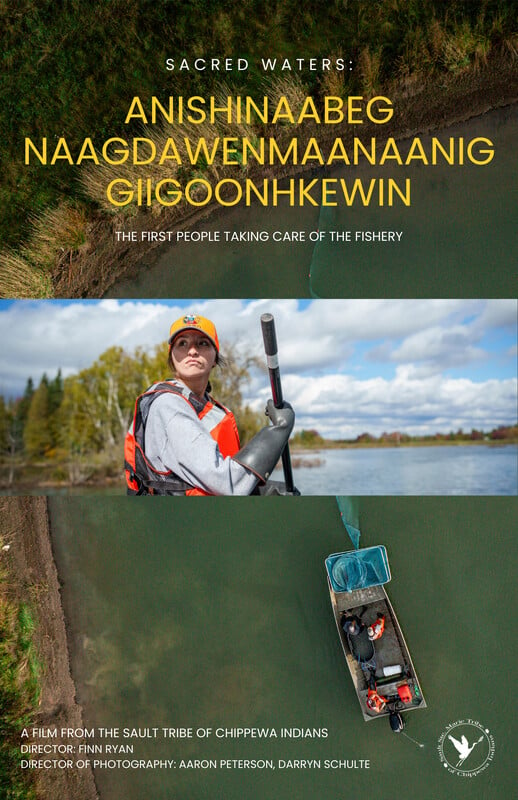 Sacred Waters, which premiered at the Fresh Coast Film Festival in Marquette in 2024, was produced for the Sault Tribe Board of Directors by filmmaker Finn Ryan, whose work highlights stories of empowerment and revitalization around community, conservation and the outdoors. Marquette-based Aaron Peterson Studios led on videography, photography and editing.
“The Anishinaabek have always had a deep history and connection to our local lands and the waters. We are very proud that our fisheries program has been a longtime leader helping to protect and sustain the Great Lakes and its resources, but we’ve only recently started focusing on telling that story,” Sault Tribe Chairman Austin Lowes said. “This film proactively showcases the cultural significance of fishing to our tribe and documents our biologists’ groundbreaking work to restore Adikameg (whitefish) populations.”
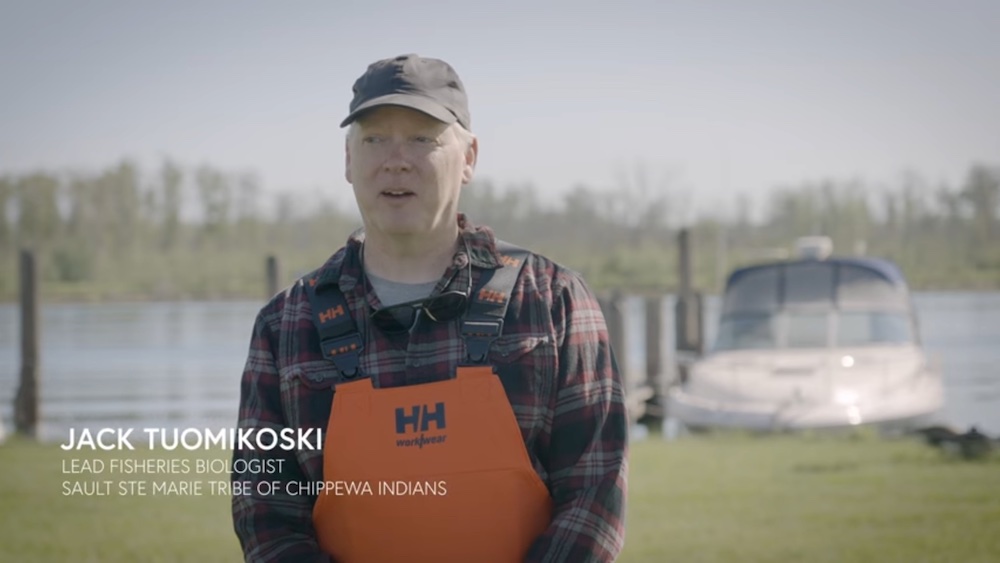
The film features interviews with Sault Tribe elders, commercial fishers and staff biologists who discuss the cultural ties to fishing and the decline of whitefish populations. The documentary also details the tribe’s innovative methods to boost whitefish populations: pond-raising and releasing whitefish, a technique not traditionally used with the species.
“We are very thankful for the thoughtful storytelling that our video team brought to the table to help share our relationship to Adikameg. The initial showings here in the U.P. have been very well received, and we look forward to now sharing this story online to a much wider audience,” Lowes said.

More Stories Like This
Watermark Art Center to Host “Minwaajimowinan — Good Stories” ExhibitionMuseums Alaska Awards More Than $200,000 to 12 Cultural Organizations Statewide
Zuni Youth Enrichment Project Takes Top Emerging Artist Apprentices to Phoenix for Artistic Exploration and Cultural Immersion
From Dishwasher to Award-Winning Chef: Laguna Pueblo's Josh Aragon Serves Up Albuquerque's Best Green Chile Stew
Rob Reiner's Final Work as Producer Appears to Address MMIP Crisis
Help us defend tribal sovereignty.
At Native News Online, our mission is rooted in telling the stories that strengthen sovereignty and uplift Indigenous voices — not just at year’s end, but every single day.
Because of your generosity last year, we were able to keep our reporters on the ground in tribal communities, at national gatherings and in the halls of Congress — covering the issues that matter most to Indian Country: sovereignty, culture, education, health and economic opportunity.
That support sustained us through a tough year in 2025. Now, as we look to the year ahead, we need your help right now to ensure warrior journalism remains strong — reporting that defends tribal sovereignty, amplifies Native truth, and holds power accountable.
 The stakes couldn't be higher. Your support keeps Native voices heard, Native stories told and Native sovereignty defended.
Stand with Warrior Journalism today.
Levi Rickert (Potawatomi), Editor & Publisher