



- Details
- By Chuck Hoskin Jr
Guest Opinion. Preserving and promoting our Cherokee culture is a multifaceted mission rooted in carrying forward our most important Cherokee values as we grow stronger as a nation.
Whether it’s a new display featuring historic and cultural objects at one of our Cherokee Nation health centers, an heirloom community garden, a new podcast, or the newly opened Marble City Community Center, each effort adds to our collective strength. Every contribution — large or small — helps sustain our identity and ensures our stories endure for generations to come.

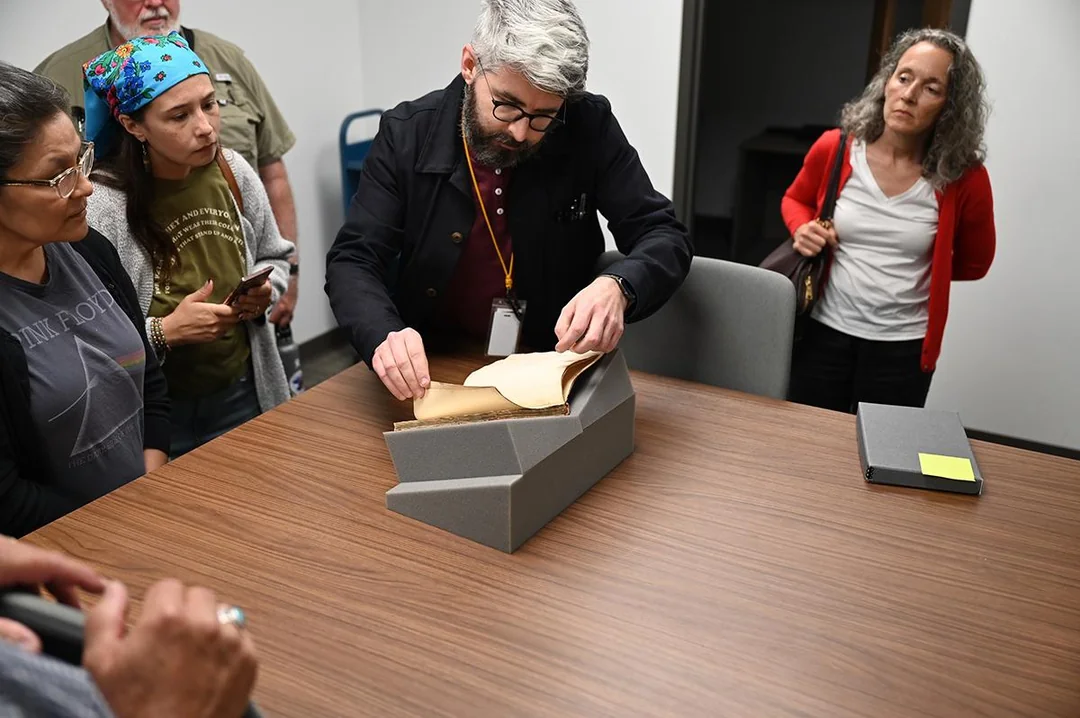
Many of our most significant efforts are coordinated through the Cherokee National Research Center here in Tahlequah, the capital city of the Cherokee Nation. The research center’s vault preserves a collection of more than 5,000 objects, including baskets, pottery, furniture, clothing and art.

While the vault specifically preserves items for generations to come, our researchers do much more to connect and reconnect citizens to Cherokee culture. Genealogists are on staff to help with family research to connect individuals with Cherokee ancestors, and our repatriation programs reach out across the globe to identify, protect and regain Cherokee artifacts previously lost to us through removal or outright theft long ago.
Whether it’s historical preservation or active participation in our art forms, we prioritize community involvement. It’s a core tenet in many of our programs. In repatriation projects, Cherokee citizens participate as soon as artifacts are identified so that traditions may be upheld anywhere on the globe.
But as our mission grows abroad, we also want to identify treasures, cultural artifacts and art right here on our reservation.
Families may have an item of clothing, beadwork or basketry they have passed down through generations. Other families may have passed down property or lease documents signed by former principal chiefs. These all play a part in our cultural tapestry, and we want to help you understand it better.
Research Center staff are encouraging citizens to submit photos and contextual narratives of their family heirlooms that may be relevant to Cherokee culture or history. Subject-matter experts will collaborate with fellow Cherokees to connect them with historians or artists to properly catalogue family collections.
To take advantage of this opportunity, share brief descriptions and a photo on this website. The deadline to participate is July 18. Some citizens will be invited for in-person review at the Cherokee National Research Center during the upcoming 73rd annual Cherokee National Holiday. Through this new project, we want to help our citizens by providing historic and cultural context.
We’ve had times in our past when our cultural connections were tenuous and intentionally stripped from us. Our strength today is in lessons learned from that past and the promise that future generations will never have to fight to regain that cultural identity.
When it comes to cultural preservation, all Cherokees are invited to join. Our culture — who we are — is the true strength of the Cherokee Nation.
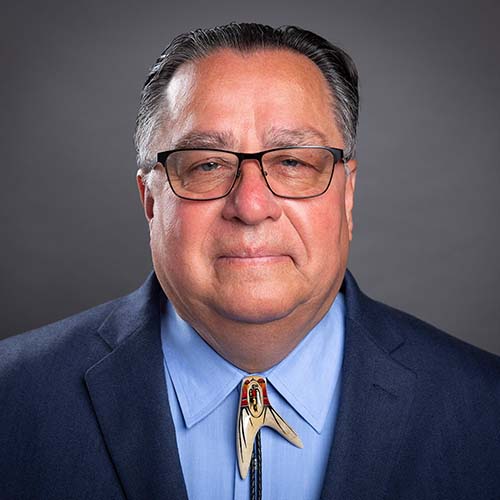
Chuck Hoskin, Jr. is the principal chief of the Cherokee Nation.
More Stories Like This
The Lie We Keep Telling About Wounded KneeAnother Weapon of Mass Destruction
Colorado cannot heal until it confronts Sand Creek honestly
Native American Mothers Deserve to Live
Technology Rooted in Tradition is Strengthening Cherokee Nation
Help us defend tribal sovereignty.
At Native News Online, our mission is rooted in telling the stories that strengthen sovereignty and uplift Indigenous voices — not just at year’s end, but every single day.
Because of your generosity last year, we were able to keep our reporters on the ground in tribal communities, at national gatherings and in the halls of Congress — covering the issues that matter most to Indian Country: sovereignty, culture, education, health and economic opportunity.
That support sustained us through a tough year in 2025. Now, as we look to the year ahead, we need your help right now to ensure warrior journalism remains strong — reporting that defends tribal sovereignty, amplifies Native truth, and holds power accountable.
 The stakes couldn't be higher. Your support keeps Native voices heard, Native stories told and Native sovereignty defended.
Stand with Warrior Journalism today.
Levi Rickert (Potawatomi), Editor & Publisher