- Details
- By Levi Rickert
Less than a day after Navajo Nation Council Speaker Crystalyne Curley introduced legislation seeking the removal of both Navajo Nation President Buu Nygren and Vice President Richelle Montoya, Montoya issued a sharply worded statement distancing herself from Nygren and asserting she was excluded from key decision-making.
Curley filed the resolution Friday, alleging malfeasance, misfeasance and breaches of fiduciary duty by both leaders. The legislation comes amid a growing political rift within the tribe’s executive branch.
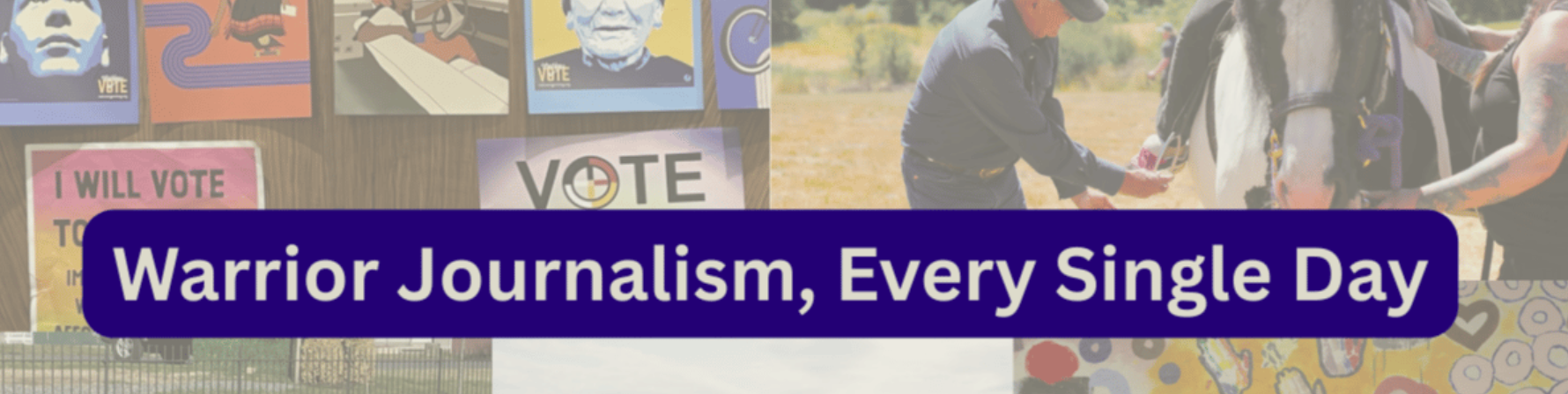
In her statement, Montoya acknowledged “the deep impact this administration’s actions and decisions have had on our people,” but said she was not involved in the conduct at issue.
“What I have not had the opportunity to do as the second top elected official of our great Nation, was sit at the table with our president, as equals, as (naat’áanii), and make decisions, plans and strategize together,” Montoya said. “My service was tested, ridiculed and dismissed. I was intentionally sidelined, kept in the dark, and unjustly stripped of my core duties, resources and budget.”
She added that Nygren’s treatment occurred publicly, but she continued “to show up and do the work as the Diné people’s (vice president).”
“Let me be clear, I had no involvement in the decisions or actions associated with Buu Nygren,” she said. “I am responsible and accountable for my own actions.”
Montoya said the experience taught her about the limits of the vice president’s authority under Navajo Nation law and how those powers have been interpreted and applied.
“The (vice president) carries minimal authority, however, I believe that our leaders before us had good intentions for the (vice president) role,” she said.
Despite the turmoil, Montoya said her focus remains unchanged.
“Moving forward, my focus remains where it has always been — on the wellbeing, safety, and protection of the Diné people,” she said. “The challenges we face as a Nation are too great for self-serving leadership. My commitment is secure and absolute: I always stand with and serve our Diné people.”
Nygren has not yet publicly responded to the removal legislation. The Council has not announced when it will take up Curley’s resolution.
More Stories Like This
NCAI Passes Two Emergency Resolutions on Immigration Enforcement ActivitiesChickasaw Lighthorse Police Officer named Indian Country Law Enforcement Officer of the Year
Indian Gaming Association Rallies Broad Coalition Against Sports Event Contracts It Calls Illegal Threat to Tribal Sovereignty
Navajo Resources and Development Committee Issues Notice on Livestock Inspection Requirements
American Prairie, Tribal Coalition Files Protest Over Rescinded Grazing Rights
Help us defend tribal sovereignty.
At Native News Online, our mission is rooted in telling the stories that strengthen sovereignty and uplift Indigenous voices — not just at year’s end, but every single day.
Because of your generosity last year, we were able to keep our reporters on the ground in tribal communities, at national gatherings and in the halls of Congress — covering the issues that matter most to Indian Country: sovereignty, culture, education, health and economic opportunity.
That support sustained us through a tough year in 2025. Now, as we look to the year ahead, we need your help right now to ensure warrior journalism remains strong — reporting that defends tribal sovereignty, amplifies Native truth, and holds power accountable.
 The stakes couldn't be higher. Your support keeps Native voices heard, Native stories told and Native sovereignty defended.
Stand with Warrior Journalism today.
Levi Rickert (Potawatomi), Editor & Publisher