WINDOW ROCK, Ariz. — The Naabik’íyáti’ Committee convened Monday for a work session to deliberate Legislation No. 0087-25, a measure aimed at establishing a minimum wage for Navajo Nation government employees. The proposal seeks to strengthen workforce stability, improve compensation equity, and align wages with regional economic standards.
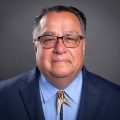
Sponsored by Health, Education, and Human Services Committee Chair Council Delegate Vince R. James, the legislation proposes amendments to the Navajo Preference in Employment Act to formally set a government-wide minimum wage. The plan ties implementation to cost-of-living adjustments and fiscal planning requirements to ensure long-term sustainability.
The proposal sets a minimum wage of $14.70 per hour for Navajo Nation government employees, with annual cost-of-living adjustments scheduled to begin in subsequent fiscal years.
James emphasized that the legislation is rooted in longstanding workforce concerns and informed by comparative wage data from surrounding states.
“This legislation ensures that Navajo Nation government employees are paid at a fair and comparable rate, and it establishes a foundation for consistent cost-of-living adjustments moving forward,” said Chair James.
Speaker Crystalyne Curley underscored the importance of moving beyond discussion and addressing current economic realities facing employees.
“We have a responsibility to move beyond discussion and deliver meaningful wage standards that reflect the value of our workforce and the cost of living our employees face every day,” said Speaker Curley.
During the session, HEHSC member Dr. Andy Nez highlighted the need to balance wage increases with fairness across employee classifications and retention of experienced workers.
“This increase is long overdue, and I support the intent. We must also ensure that employees who have dedicated years of service are not compressed into the same wage levels without consideration of their experience and progression,” said Delegate Nez.
Delegate Helena Nez Begay raised concerns about long-term sustainability and the frequency of future adjustments.
“As we move forward with establishing a minimum wage, we also need to understand how often increases will occur and ensure that our employees continue to see meaningful growth over time,” said Delegate Nez Begay.
Under the legislation, the $14.70 minimum wage would take effect alongside annual cost-of-living adjustments beginning October 1, 2026, ensuring wages remain responsive to inflation and broader economic conditions. The proposal also calls for a comprehensive fiscal impact analysis and a government-wide wage classification study prior to full implementation, enabling leadership to evaluate budget implications, employee distribution, and long-term viability.
Legislation No. 0087-25 emphasizes wage comparability with surrounding states and federal standards, reinforcing efforts to maintain competitive compensation for the Navajo Nation workforce.
Council delegates noted the measure represents a phased approach, leaving room for future policy discussions on broader wage standards across the Navajo Nation.