- Details
- By Native News Online Staff
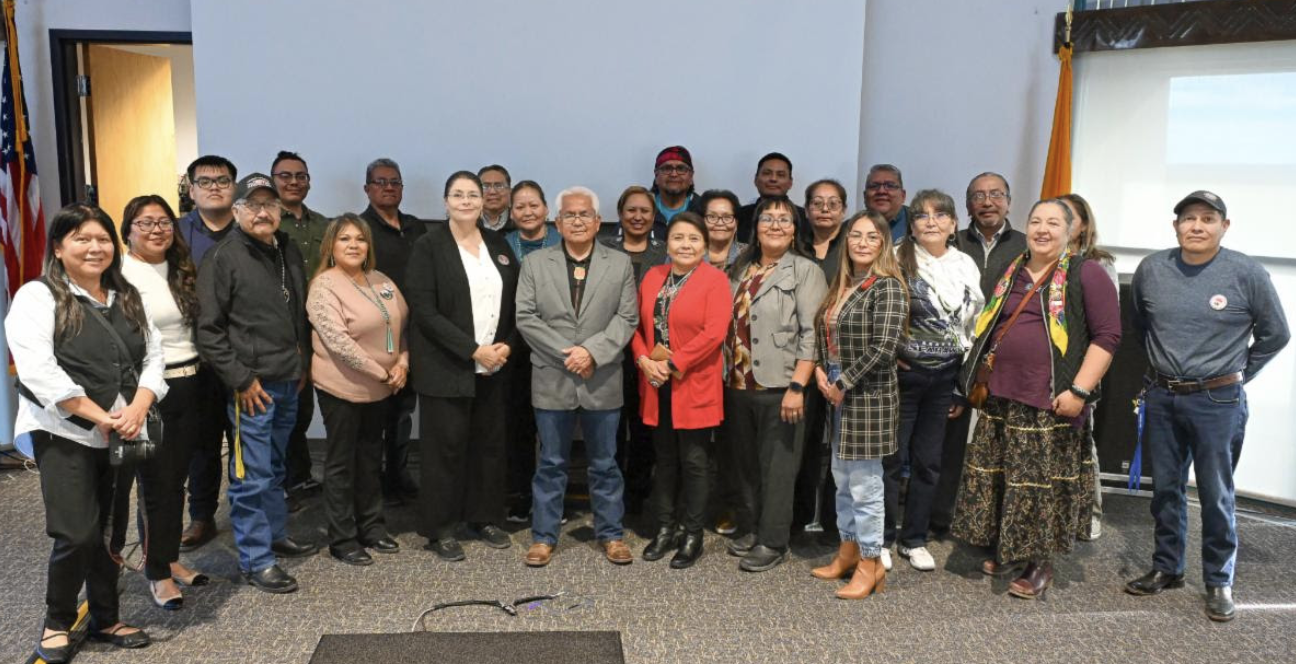
On Friday, members of the 25th Navajo Nation Council joined Diné Action Plan task force leaders, community partners and subject matter experts at the 2025 Diné Action Plan Winter Gathering.
The two-day gathering focused on reviewing progress, sharing updates and setting direction for the next phase of work addressing violence, substance use, suicide and Missing and Murdered Diné Relatives. Participants reaffirmed the Diné Action Plan as a long-term, culturally grounded initiative rooted in Navajo teachings, collective responsibility and cross-system collaboration.
Please support our year-end campaign. CLICK HERE TO DONATE.
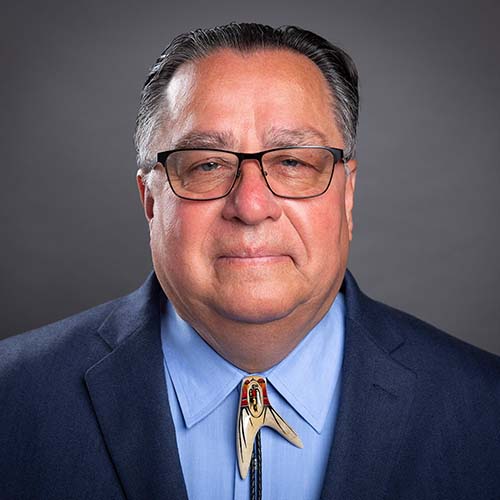
Council Delegate Amber Kanazbah Crotty, chair of the Missing and Murdered Diné Relatives Task Force, emphasized the need for coordination and accountability across justice and service systems.
“The Diné Action Plan represents our collective responsibility to confront these modern-day monsters with clarity, compassion, and cultural strength,” Crotty said. “By bringing together our task forces, service providers, and leadership, we strengthen our ability to deliver protection, healing, and justice for our people, especially our most vulnerable relatives.”
Council Delegate Dr. Andy Nez and Council Delegate Cherylin Yazzie also attended the gathering and expressed continued support for the Diné Action Plan and its task forces, stressing shared responsibility and sustained investment.
“The Diné Action Plan has my full support. This Plan recognizes that healing and prevention are compassionate, culturally grounded, and informed by real data,” Nez said. “These task forces are doing critical work, and I remain committed to supporting their efforts that restore and sustain balance in our communities.”
During the gathering, members of the Violence Prevention, Alcohol and Substance Use Prevention, Suicide Prevention, and Missing and Murdered Diné Relatives task forces provided updates on initiatives, service delivery and ongoing challenges. Participants included representatives from Navajo Nation programs, Indian Health Service partners, state agencies and local organizations, all focused on improving coordination to ensure services reach communities across the Navajo Nation.
The Violence Prevention and Alcohol and Substance Use Prevention task forces highlighted efforts to address urgent safety and health concerns, including intimate partner violence, sexual assault, human trafficking, elder abuse and substance misuse. Strategies discussed included culturally informed prevention, expanded treatment and peer support, talking circles, naloxone distribution, transportation assistance and telehealth services.
The Suicide Prevention and Missing and Murdered Diné Relatives task forces emphasized coordinated, data-informed and survivor-centered approaches. Updates included collaboration with health care providers, community education grounded in Navajo teachings, victim advocacy development, human trafficking awareness training, completion of a Tribal Community Response Plan and proposed criminal code amendments.
A key theme of the gathering was the continued development of culturally grounded data systems to guide decision-making and accountability, including the need for centralized data hubs to better identify trends and service gaps.
Division of Public Safety Director and Diné Action Plan Chair Michael Henderson reiterated that the plan is a long-term effort rooted in Navajo language, stories and teachings while aligned with modern public safety and public health practices.
The gathering concluded with a commitment to finalize comprehensive reports outlining accomplishments, challenges and priorities for the next five years, reinforcing a shared responsibility to protect the safety, health and well-being of the Navajo people.
More Stories Like This
NCAI Passes Two Emergency Resolutions on Immigration Enforcement ActivitiesChickasaw Lighthorse Police Officer named Indian Country Law Enforcement Officer of the Year
Indian Gaming Association Rallies Broad Coalition Against Sports Event Contracts It Calls Illegal Threat to Tribal Sovereignty
Navajo Resources and Development Committee Issues Notice on Livestock Inspection Requirements
American Prairie, Tribal Coalition Files Protest Over Rescinded Grazing Rights
Help us defend tribal sovereignty.
At Native News Online, our mission is rooted in telling the stories that strengthen sovereignty and uplift Indigenous voices — not just at year’s end, but every single day.
Because of your generosity last year, we were able to keep our reporters on the ground in tribal communities, at national gatherings and in the halls of Congress — covering the issues that matter most to Indian Country: sovereignty, culture, education, health and economic opportunity.
That support sustained us through a tough year in 2025. Now, as we look to the year ahead, we need your help right now to ensure warrior journalism remains strong — reporting that defends tribal sovereignty, amplifies Native truth, and holds power accountable.
 The stakes couldn't be higher. Your support keeps Native voices heard, Native stories told and Native sovereignty defended.
Stand with Warrior Journalism today.
Levi Rickert (Potawatomi), Editor & Publisher