Overview:
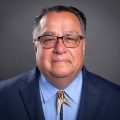
Mark Cruz’s confirmation as the 12th director of the Indian Health Service brings permanent leadership to the agency after 18 months without a Senate-confirmed director. The Klamath Tribes citizen takes over at a critical time for IHS, facing persistent challenges involving funding, staffing, infrastructure and access to health care.
After 18 months without a Senate-confirmed director, the Indian Health Service (IHS) will have new permanent leadership.
The U.S. Senate on Friday, August 7, 2026, confirmed Mark Cruz, a citizen of the Klamath Tribes of Oregon, to serve as director of the Indian Health Service, an agency within the U.S. Department of Health and Human Services.
Cruz will become the 12th director of IHS, which provides health care services to approximately 2.8 million American Indians and Alaska Natives through a network of federal, Tribal and urban Indian health programs.
His confirmation ends a lengthy period without a Senate-confirmed director following the departure of Roselyn Tso (Navajo), who left the position at the beginning of the Trump administration. IHS Chief of Staff Clayton Fulton had been serving as acting director since December 2025.
Cruz’s nomination received bipartisan attention during his confirmation process. He appeared before the Senate Committee on Indian Affairs on June 24, and the committee advanced his nomination in July before the full Senate confirmed him Friday.
Sen. Lisa Murkowski (R-Alaska), chair of the Senate Committee on Indian Affairs, congratulated Cruz following the Senate’s action.
“I congratulate Mark Cruz on his confirmation to serve as Indian Health Service Director. Throughout the confirmation process, Mr. Cruz demonstrated a strong understanding of the challenges facing Tribal communities and a commitment to improving Native health outcomes,” Murkowski said. “I look forward to working with Mr. Cruz as he delivers on his commitments to strengthen the Indian Health Service and improve health outcomes for Tribal communities.”
Focus on Tribal consultation
During his June confirmation hearing, Cruz outlined his approach to leading IHS, emphasizing communication and consultation with Tribal Nations.
“Tribal leaders and Congress can count on me to engage early, listen carefully, and be transparent,” Cruz said during his testimony. “I am realistic about the challenges but optimistic about what we can achieve together. With strong federal, Tribal, and urban Indian health partners, outcomes will continue to improve.”
Cruz committed to working with Tribal leaders and Congress to strengthen Tribal consultation, improve accountability and address longstanding challenges facing IHS, including infrastructure needs and resource constraints.
In his written testimony, Cruz described himself as a proud citizen of the Klamath Tribes, a first-generation college graduate and a former foster child from a rural and Tribal community. He said his experiences shaped his commitment to serving American Indian and Alaska Native communities.
Cruz will also continue to serve jointly as a senior adviser to HHS Secretary Robert F. Kennedy Jr., a position he has held within the department.
Indian Country welcomes confirmation
The National Indian Health Board (NIHB) welcomed Cruz’s confirmation and said it looks forward to working with him to advance health care in Tribal communities.
The National Council of Urban Indian Health (NCUIH) also applauded the Senate’s action, noting the importance of having permanent leadership at IHS.
NCUIH said it will continue working with Cruz and IHS on priorities including full and stable funding for IHS and urban Indian health programs, Medicaid parity for urban Indian organizations and investments in Native behavioral health programs.
The National Congress of American Indians (NCAI) had previously supported Cruz’s nomination and urged the Senate to move quickly on his confirmation. More than 40 Tribes and Tribal organizations submitted letters supporting his nomination.
Cruz’s confirmation comes as IHS faces longstanding challenges involving staffing, health care infrastructure, funding and access to services throughout Indian Country.
As the new IHS director, Cruz will oversee one of the federal government’s largest health care systems and assume responsibility for an agency that plays a central role in fulfilling the federal government’s health care responsibilities to American Indian and Alaska Native people.
His confirmation marks the beginning of a new chapter for IHS after an extended period of leadership uncertainty. The next test will be how Cruz translates his commitments to Tribal consultation, accountability and improved health outcomes into action across the Indian health system.