The Tunica-Biloxi Tribe of Louisiana is mourning the death of John D. Barbry, a tribal citizen, cultural leader, historian and longtime advocate whose work helped shape the identity and future of the Tunica-Biloxi people.
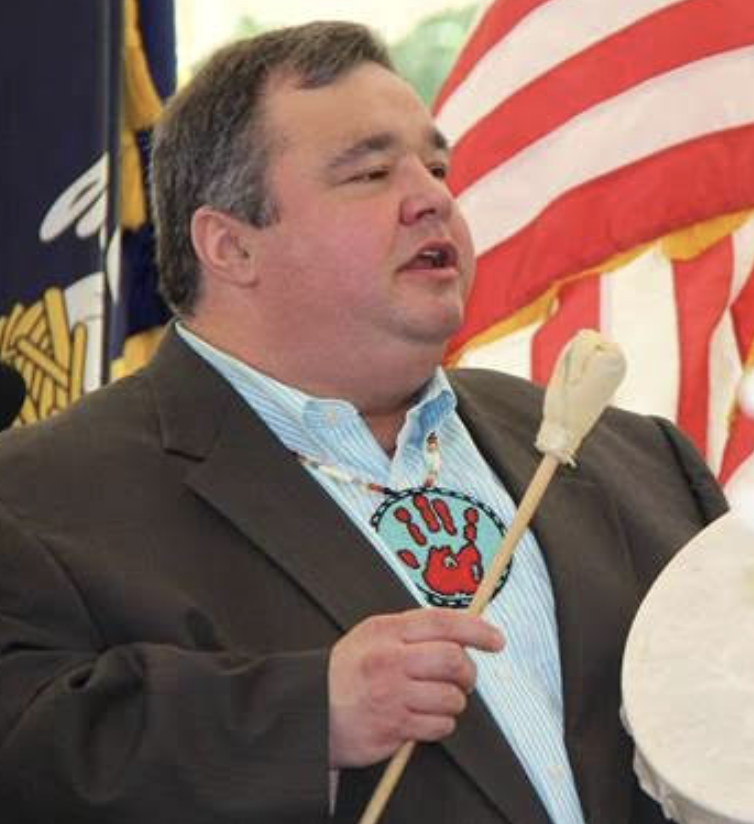
Barbry was widely regarded as a pillar of the Tunica-Biloxi Nation and a respected presence throughout Indian Country, particularly on the national powwow circuit. Since 1995, he served as chairman of the Tunica-Biloxi Pow Wow Committee, guiding the growth of the annual event into one of the tribe’s most significant cultural gatherings. The powwow draws tribes from across the United States to share traditions, strengthen relationships and celebrate Native culture.
“John Barbry was one of the most important cultural leaders our Tribe has ever known,” Chairman Marshall Pierite said. “He was deeply articulate, thoughtful and driven by a genuine passion for our culture and traditions. John carried our history and language with care, humility and responsibility, and one of his greatest honors was being able to share that knowledge with others — especially over the last generation. He understood that culture is not something we simply remember, but something we must live, practice and pass forward. Our Tribe, and Indian Country, are stronger today because of his lifelong dedication and service. He will truly be missed.”
Barbry dedicated his professional career to preserving and strengthening tribal culture and education. As director of development and programming for the Tunica-Biloxi Tribe, he oversaw the Language and Culture Revitalization Program and, beginning in 2016, the tribe’s Education Department. His work focused on protecting the Tunica and Biloxi languages, advancing cultural lifeways and expanding educational opportunities for tribal youth.
He oversaw the Tunica Language Apprenticeship Program, which trains tribal members to become fluent speakers and instructors. The program was supported by a grant from the Administration for Native Americans that Barbry helped secure through his grant development efforts. He also led cultural initiatives such as the Tunica-Biloxi Language and Culture Summer Camp and community workshops centered on traditional crafts, songs and storytelling.
Barbry also forged partnerships to expand access to cultural and linguistic resources. He led a collaboration with the American Philosophical Society on the Indigenous Language Manuscript Interface project, an archives-based, open-source platform that allows researchers and tribal citizens to view digitized manuscripts in endangered languages, including Tunica language notebooks dating to the 1930s.
His work extended well beyond the reservation. In 1987, Barbry assisted with cataloging the historic Tunica Treasure following its repatriation to the tribe, a milestone in the reclamation of Tunica-Biloxi heritage. He later served as research supervisor in the manuscripts division at The Historic New Orleans Collection and, in 1993, became the first Native American-appointed archivist at the Smithsonian Institution’s National Museum of the American Indian.
In addition to his cultural and academic work, Barbry brought more than two decades of experience in casino marketing and management in Louisiana and California. He applied that expertise to strengthen tribal enterprises and programs, including the Tunica-Biloxi-owned Paragon Casino Resort. He also helped secure multiple education grants to expand tutoring, counseling and student support services, including efforts to provide learning resources to tribal students during the COVID-19 pandemic.
In recognition of his impact, the Louisiana Endowment for the Humanities named Barbry its 2022 Champion of Culture and appointed him to its board in 2023.
Barbry earned a bachelor’s degree in music education from McNeese State University and a master’s degree in history from the University of New Orleans.
The Tunica-Biloxi Tribe of Louisiana extended condolences to Barbry’s family, friends and colleagues, noting that his leadership, integrity and devotion to the tribe will be felt for generations to come.
More Stories Like This
Native News Weekly (August 25, 2024): D.C. BriefsZuni Youth Enrichment Project Announces Family Engagement Night and Spring Break Youth Programming
Next on Native Bidaské: Leonard Peltier Reflects on His First Year After Prison
Deb Haaland Rolls Out Affordability Agenda in Albuquerque
Boys & Girls Clubs and BIE MOU Signing at National Days of Advocacy
Help us defend tribal sovereignty.
At Native News Online, our mission is rooted in telling the stories that strengthen sovereignty and uplift Indigenous voices — not just at year’s end, but every single day.
Because of your generosity last year, we were able to keep our reporters on the ground in tribal communities, at national gatherings and in the halls of Congress — covering the issues that matter most to Indian Country: sovereignty, culture, education, health and economic opportunity.
That support sustained us through a tough year in 2025. Now, as we look to the year ahead, we need your help right now to ensure warrior journalism remains strong — reporting that defends tribal sovereignty, amplifies Native truth, and holds power accountable.
 The stakes couldn't be higher. Your support keeps Native voices heard, Native stories told and Native sovereignty defended.
Stand with Warrior Journalism today.
Levi Rickert (Potawatomi), Editor & Publisher