Overview:
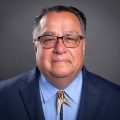
Michigan gubernatorial candidate Jocelyn Benson met with tribal leaders to discuss strengthening tribal-state relations, protecting tribal sovereignty, opposing Enbridge Line 5 and ensuring the continuation of Michigan’s criminal investigation into Indian boarding schools.
Native Vote 2026
With less than three weeks before the midterm elections on Nov. 3, 2026, Michigan Secretary of State Jocelyn Benson, 48, the Democratic candidate for governor, attended the United Tribes of Michigan’s quarterly meeting Friday afternoon, where tribal leaders pressed her on sovereignty, environmental protection and the future of tribal-state relations.
Benson, who is finishing her second term as Michigan’s secretary of state, delivered brief remarks highlighting her commitment to working with Tribal Nations, respecting tribal sovereignty and ensuring tribal leaders have a seat at the table in state government.

“I’m grateful to be here with all of you and eager to hear from you about what you see the next decade of our state looking like from a governor from the state to ensure that your sovereignty is respected, but that also we’re working together to drive down costs of health care, housing, electricity costs, child care to invest in more well-paying jobs, diversifying our economies, and that also we can ensure your rights, your freedoms, your voice is protected,” Benson said.
More than simply campaigning, Benson spent time listening to tribal leaders who raised questions about how to strengthen relations between the state of Michigan and the 12 federally recognized sovereign Tribal Nations within its borders.
As leaders spoke, Benson took notes, as did members of her staff seated in the audience.
Matt Wesaw, a citizen of the Pokagon Band of Potawatomi Indians who previously served as director of the Michigan Department of Civil Rights, asked Benson whether she would support creating a cabinet-level tribal affairs position with direct access to the governor.
“With no disrespect to tribal liaisons, but when you talk to a tribal liaison about an issue, it has to go through three or four different people before it reaches the governor’s desk. If it ever reaches the governor’s desk,” Wesaw said.
“I noticed when I was the director of Civil Rights having a seat at the table, you don’t have to go through anybody. You get a chance to talk to the governor. The governor hears directly what the needs are, what the issues are, and you can make those decisions there,” he said.
Benson responded positively to the proposal, suggesting that a cabinet-level position could create a more direct line of communication between Tribal Nations and the governor’s office.
“I love that idea. I love it. It might be aligned with what I think the government should be and what we should be doing,” Benson said. “So let’s think this through, especially noting that what we could establish would, I hope and expect, live long beyond my time as governor, creating something that’s real, meaningful and can create lasting change for our tribal communities.”
Line 5 remains a major concern
Saginaw Chippewa Indian Tribe Chief Lucas (Luke) Sprague asked Benson about her position on Enbridge Line 5, a highly contentious issue for Michigan Tribal Nations that oppose the proposed construction of a tunnel beneath the Straits of Mackinac, which separate Michigan’s Upper and Lower peninsulas.

Benson said protecting Michigan’s water resources would be a priority under her administration, including shutting down Line 5 and reviewing other aging pipelines across the state.
“I feel strongly that we have a moral responsibility in Michigan to protect our natural resources. That includes 20% of the world’s fresh water, 21% that is in our jurisdiction. And I want to do everything I can to make sure not just Line Five is shut down, but any other things that could be built to potentially contaminate our waters are not allowed to have that opportunity,” Benson said. “And my hope is that — well, my intention is to also do a review of all aging pipelines in the state.”
Sault Ste. Marie Tribe of Chippewa Indians Tribal Chairperson Austin Lowes told Benson that tribal opposition to Line 5 extends beyond environmental concerns to include the protection of culturally significant sites and ancestral burial grounds.
“We have confirmed evidence as there’s unmarked graves on both sides of the Straits back out where the project will take place. Those would be graves that would be disturbed if this project were to take place,” Lowes said.
Lowes also raised concerns about the potential effects of tunnel construction on nearby homes and the risks associated with a project of this scale beneath the Straits.
“If I can pivot back to the environmental side of things, we’ve never bore a tunnel underwater this length in our country’s history. When they were drilling core samples, you had residents at both sides of the straits who had damaged their homes due to vibrations,” Lowes said.
Boarding school investigation raises concerns
Winnay Wemingwase, tribal chairperson of the Little Traverse Bay Bands of Odawa Indians and a survivor of the Holy Childhood of Jesus Indian Boarding School in Harbor Springs, Michigan, raised concerns about the future of the state’s criminal investigation into Indian boarding schools.
Michigan Attorney General Dana Nessel launched the investigation in December 2025. Wemingwase questioned whether the effort would continue after Nessel’s term ends at the end of the year.
For survivors and Tribal Nations, the investigation represents an important opportunity to examine the history of boarding schools in Michigan and pursue accountability for abuses committed against Native children and their families.
Benson said she would speak with Nessel about the matter and expressed hope that the investigation would continue beyond the attorney general’s term.
The exchange underscored the importance of continuity in state-Tribal relations, particularly on issues involving historical injustices, cultural preservation and the protection of tribal citizens.
Throughout the meeting, tribal leaders raised specific concerns and proposals, giving Benson an opportunity to hear directly from the sovereign nations whose governments would work with her administration if she is elected governor.
Other topics included allowing tribes to have more decision-making power on setting speed limits through roads that go through tribal lands and Native American veterans.
Benson’s opponent, Republican candidate for governor, Rep. John James (R-MI) was unable to attend the meeting due to scheduling issues.