



- Details
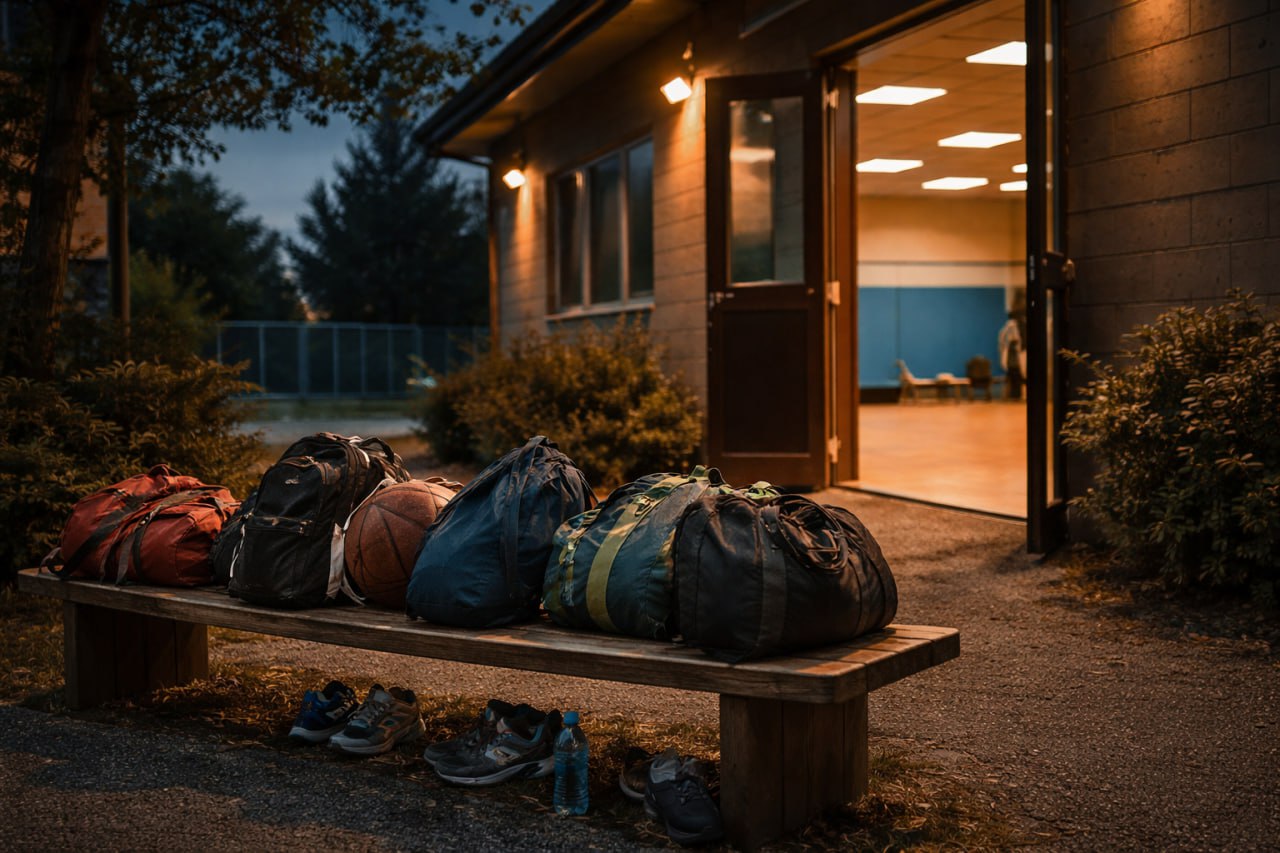
In many places, youth sport is sold as a pipeline: play hard, get noticed, earn a scholarship, escape. That story can be true for a few athletes, but it misses the deeper work that sport does in Indigenous communities, where a practice can double as a language lesson, a safe ride home, a warm meal, and a reminder that the body is not an enemy. The best programs don’t treat young people as “talent.” They treat them as relatives in the making.
Tradition isn’t nostalgia: it’s a training method
In Alaska, the Native Youth Olympics (NYO) Games are built around traditional athletic contests and northern games. The NYO organization describes its purpose in developmental terms: healthy lifestyles, positive self-esteem, leadership skills, appreciation of Alaska Native traditions, and good sportsmanship.
That mix matters because it reframes sport. It becomes less about “leaving where you’re from” and more about “being strong in it.” When the events are culturally rooted, young athletes don’t have to pick between identity and excellence.
When the tournament is also a gathering
The North American Indigenous Games (NAIG) are designed to sit at the intersection of sport and culture. The NAIG Council describes its mission in holistic terms: supporting mental, physical, emotional, and spiritual growth, in a way consistent with cultural and traditional values. When governments talk about NAIG, the same theme emerges: competition, cultural programming, and a sense of unity that’s hard to manufacture elsewhere. In 2023, Canada’s announcement around NAIG in Kjipuktuk (Halifax) emphasized training and competition alongside cultural experience, bringing together youth from hundreds of nations.
NAIG’s scale also signals something important for youth: “We are not small.” The NAIG Council has described the 2028 Games as expected to bring thousands of participants from across Turtle Island.
The quiet architecture of programs that last
The programs that hold together over the years rarely rely on hype. They rely on logistics and trust, namely on transportation, food, staffing stability, and rules that feel fair. Australia’s Clontarf Foundation model is often discussed in exactly those operational terms: school-based wrap-around support, anchored by sport and mentoring, aimed at attendance, wellbeing, and post-school pathways.
A 2025 NSW Department of Education evaluation report describes the program as operating in NSW since 2012 and embedded in almost 50 schools, with an emphasis on improving attendance and supporting students to finish Year 12 and transition into work or further education. The same report includes Year 12 completion data on HSC attainment for Clontarf participants across 2020-2022.
What that points to is a repeatable checklist:
- Community legitimacy: leadership and partnerships that local families recognize as “ours,” not a visiting project.
- Mentoring that isn’t performative: adults who stay past the photo-op, and keep showing up in bad weather.
- Wrap-around supports: rides, meals, equipment, and help navigating school systems when needed.
- Clear standards with dignity: discipline that teaches self-control without shaming identity.
A quick way to compare program “inputs” to likely outcomes
Traditional or land-based games tend to put cultural continuity and practical skill at the center, and that combination most often strengthens identity confidence and early leadership because the sport is inseparable from tradition and community pride.
Large multi-sport gatherings that blend competition with cultural programming typically prioritize belonging alongside performance, which can boost motivation and expand peer networks across many nations because the tournament functions as much as a gathering as a contest.
School-based programs that use sport as the hook and mentoring as the backbone, like the Clontarf approach in NSW, generally prioritize attendance, routine, and wrap-around support, and the most common development outcomes are stronger school retention and clearer post-school pathways.
Grant-backed community sport that focuses on access and inclusion usually prioritizes participation and a welcoming “sport is for me” environment, which supports confidence and sustained engagement, especially when cost and logistics are the biggest barriers.
Funding without losing the plot
Money is always in the room, even when nobody wants to name it. Equipment costs, travel costs, facility costs, and the hidden tax of distance and limited services. Philanthropy and grants matter; Nike’s N7 Fund, for instance, says it invests in nonprofits serving Indigenous communities in North America, with a focus on welcoming Indigenous youth ages 7-17 into sport.
Fans who follow sports through betting apps (Arabic: برامج مراهنات) sometimes assume the “sports economy” belongs only to leagues and broadcasters, but community sport can benefit when sponsorship and fundraising are handled with clear boundaries.
Building Confidence, Culture, and Opportunity Through Sport
Sports programs play a vital role in supporting youth development in Indigenous communities by creating safe spaces where young people can grow both physically and emotionally. Through regular training and competition, participants learn discipline, teamwork, and leadership skills that are transferable to education and future employment. Many initiatives also integrate cultural values, traditional games, and community elders, helping youth strengthen their identity and sense of belonging. Access to organized sports encourages healthy lifestyles and helps reduce the risks associated with social isolation and inactivity. Coaches often act as mentors, providing guidance and positive role models beyond the playing field. These programs can also improve school attendance and motivation by giving young people clear goals to strive for. Overall, sports initiatives empower Indigenous youth to build confidence, resilience, and stronger connections within their communities.
Build the circle, not the ladder
The strongest youth sports programs in Indigenous communities don’t promise escape. They promise connection. The best of them are community-led, logistically realistic, and proud enough to teach tradition without apologizing for it.