- Details
- By Native News Online Staff
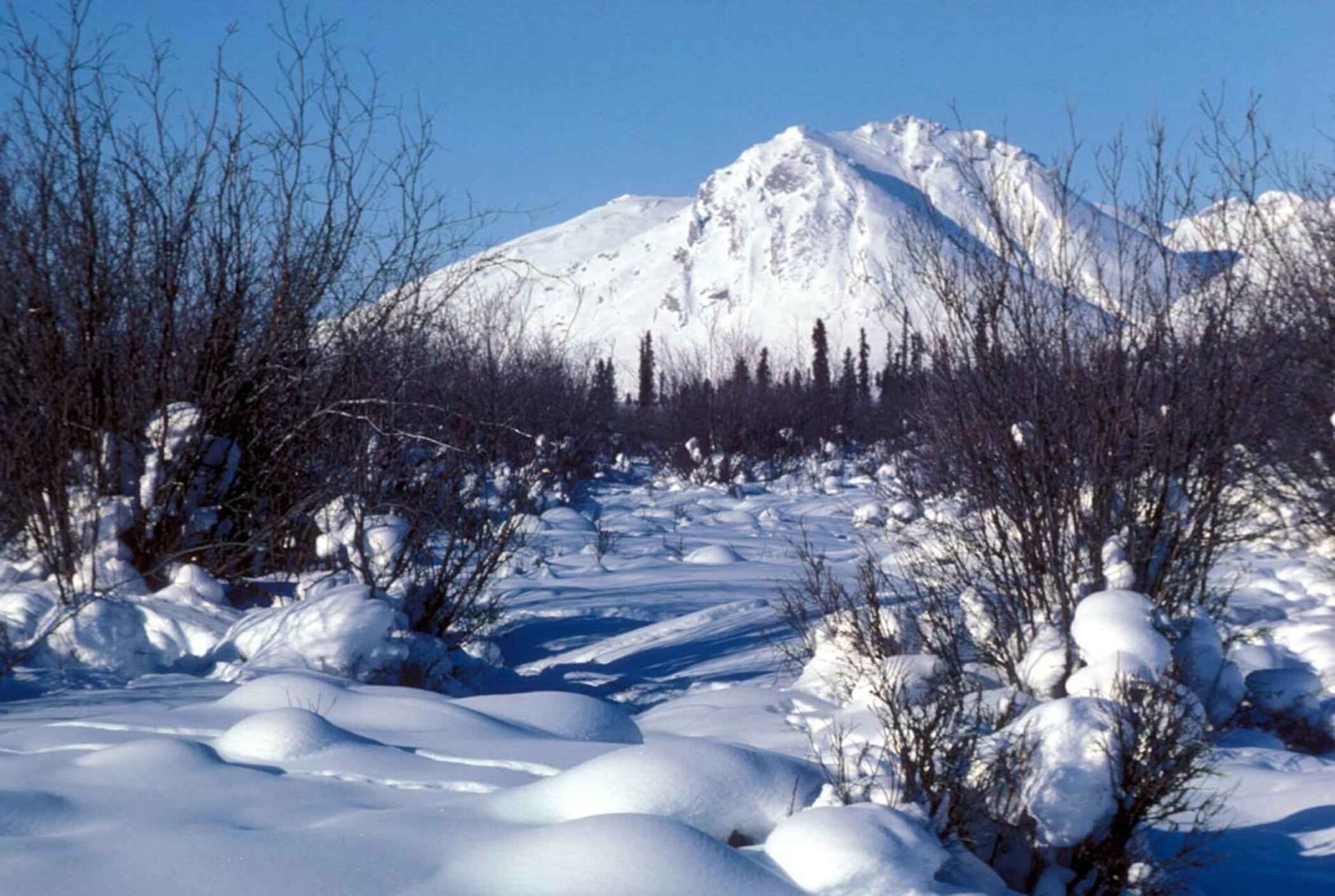
The Arctic Village Council, the Native Village of Venetie Tribal Government and the Venetie Village Council submitted comments Tuesday to the U.S. Fish and Wildlife Service citing major deficiencies in the agency’s assessment of a proposed 20-year right-of-way that would allow the Kaktovik Iñupiat Corp. to annually construct a snow road through parts of the Arctic National Wildlife Refuge.
The comments say the agency failed to conduct meaningful tribal consultation, leaving the analysis flawed and incomplete. They also say the Fish and Wildlife Service did not adequately evaluate potential impacts of the road on the Porcupine Caribou Herd, including possible disruptions to migration routes and calving grounds — an area the Gwich’in people call Iizhik Gwats’an Gwandaii Goodlit, or “The Sacred Place Where Life Begins.”
The councils warned that disturbances to the area could cause long-term harm to the herd, which the Gwich’in people have relied on for generations. The full comment is available online.

“The Fish and Wildlife Service sent one letter three years ago and called that consultation,” said Raeann Garnett, tribal chief of the Native Village of Venetie Tribal Government. “That does not honor the nation-to-nation relationship between our tribal government and the federal government. We deserve meaningful consultation on a project that threatens the caribou our people depend on and the sacred places we have relied on since time immemorial.”
The Porcupine Caribou Herd has declined from an estimated 218,000 animals in 2017 to about 143,000 today, said Galen Gilbert, first chief of Arctic Village.
“The Fish and Wildlife Service concluded this snow road would have a ‘negligible effect’ on caribou without any real analysis or consultation with our tribal governments,” Gilbert said. “Our people’s survival depends on these caribou, and the agency refuses to take the impacts of this proposed road seriously.”
“A project of this magnitude cannot be built without input from all who will be affected,” said Karlas Norman, first chief of the Venetie Village Council. “By failing to engage in meaningful consultation with our tribal leadership, the Fish and Wildlife Service is ignoring the sovereign voices and traditional knowledge of the people who have relied on the health of this land for countless generations.”
More Stories Like This
A River Worth Defending: Chilkat Community Mobilizes Against MineU.S. Forest Service Approves Drilling at Pe’ Sla, Threatening Indigenous Land and Water
Rappahannock Tribe Challenges 9M-Gallon Water Plan
Feds release draft long-term plans for Colorado River management
Help us defend tribal sovereignty.
At Native News Online, our mission is rooted in telling the stories that strengthen sovereignty and uplift Indigenous voices — not just at year’s end, but every single day.
Because of your generosity last year, we were able to keep our reporters on the ground in tribal communities, at national gatherings and in the halls of Congress — covering the issues that matter most to Indian Country: sovereignty, culture, education, health and economic opportunity.
That support sustained us through a tough year in 2025. Now, as we look to the year ahead, we need your help right now to ensure warrior journalism remains strong — reporting that defends tribal sovereignty, amplifies Native truth, and holds power accountable.
 The stakes couldn't be higher. Your support keeps Native voices heard, Native stories told and Native sovereignty defended.
Stand with Warrior Journalism today.
Levi Rickert (Potawatomi), Editor & Publisher