



- Details
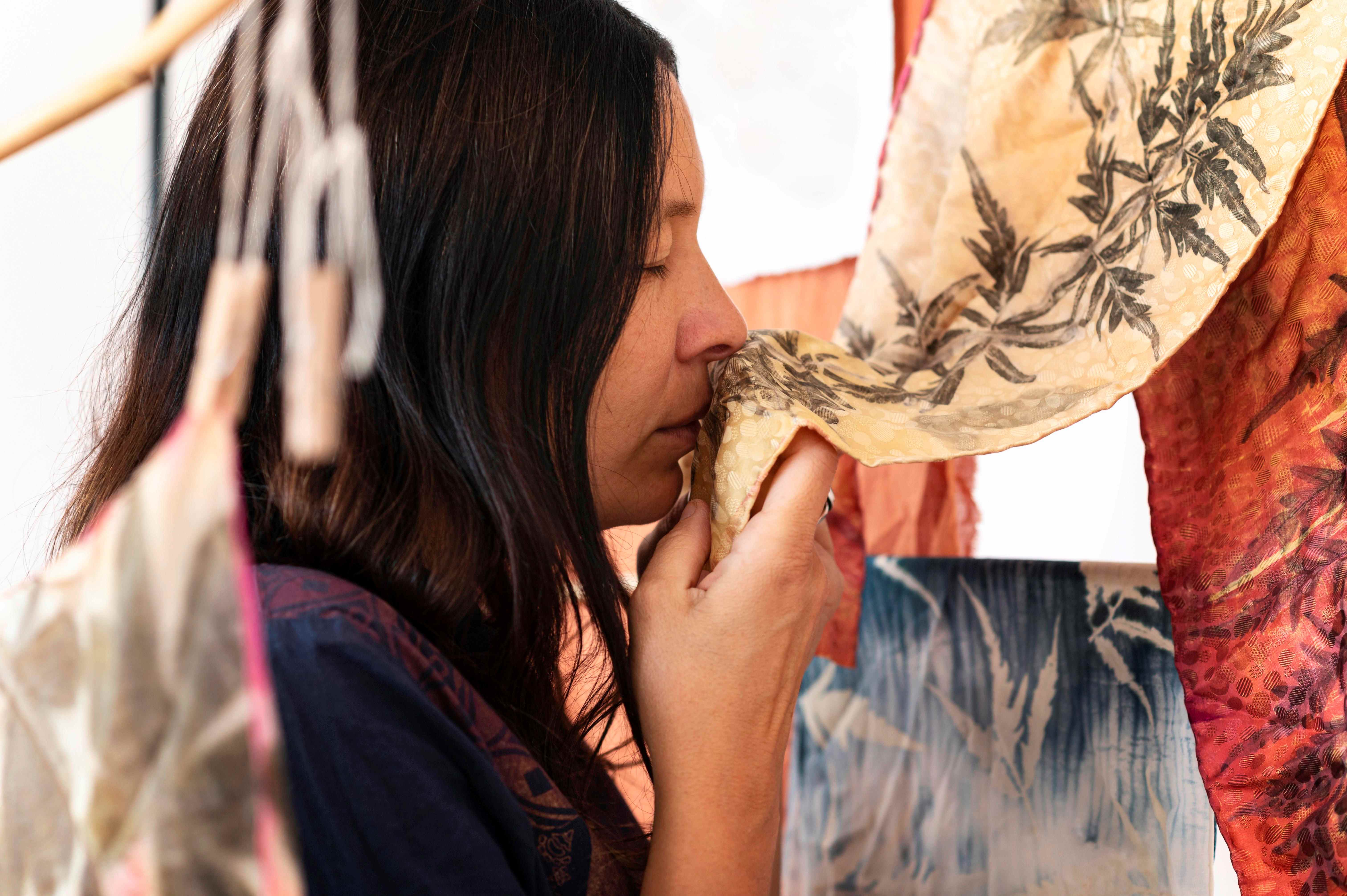
You catch hand-quilled details sparkling under stage lights on gowns that pull centuries of tradition right into high fashion. Then comes a Toronto community center where stainless-steel pieces catch the breeze and quietly recall the rhythm of jingle dresses in daily life. These aren't isolated flashes. Indigenous creators are weaving ancestral knowledge into contemporary work across fashion, architecture and art. Interest from around the world is picking up because the storytelling rings true, rooted deeply yet open to new ideas. Heritage isn't staying tucked away. It's shaping things now and creating real opportunities. Ready to see how design can protect and lift Indigenous voices?
The red carpet lights hit just right. Suddenly, quillwork from old techniques shows up on luxury pieces built for the moment. Over in Toronto, a health center stands with those shimmering fringes that move with the wind, echoing ceremonial sounds in a space people use every day. These examples capture something real happening right now. Indigenous designers, architects and artists are taking traditions and blending them with modern forms to claim space and pride.
You feel the energy when global stages—runways, buildings—give Native-led work room to breathe. Visibility grows and so do chances for economic strength when communities hold the reins on their own stories. It builds on events like Native Fashion Week Santa Fe and recent museum changes, much like examples of community brands evolving while respecting ancestral roots such as the recent school logo redesign in Shamokin that honors Native-derived heritage, where artist Dave Tamkus wove in a Native American figure alongside nods to the area's Indigenous name origin ("eel creek") and local coal history. That leads straight into how fashion is leading the way.
Native Fashion Runways Surge With Authentic Voices
The Southwestern Association for Indian Arts put on the first Native Fashion Week Santa Fe from May 2 to 5 in 2024. Seventeen runway shows brought out about 30 Indigenous designers representing more than 25 nations. Lesley Hampton showed Anishinaabe evening wear. Peshawn Bread brought Comanche, Kiowa and Cherokee disco vibes through House of Sutai. Amy Denet Deal at 4Kinship called it a horizontal platform, one that lets emerging creatives carry ancestors' wildest dreams ahead by mixing traditional turquoise beadwork with new cuts.
Updates keep coming. The energy holds steady. Celebrity nods, more events, wider coverage pull authentic Indigenous fashion into bigger conversations. Creators find that sweet spot between heritage and what's current. They turn out garments that tie people back to their roots while working for everyday wear. Hoodies with layered symbolic designs come to mind. It all adds up to stronger visual sovereignty. Communities get to guide their own narratives and claim the value that comes from true representation.
When folks chase these paths, they often look to specialized branding and design agency services. Those cover brand identity, strategy, packaging, website design, copywriting and digital marketing. The goal is extending cultural stories into consumer goods, hospitality, similar areas without ever pushing heritage aside. Voices stay authentic.
Indigenous Architecture Transforms Urban Landscapes Today
Mohawk architect Matthew Hickey and Two Row Architects shaped Anishnawbe Health Toronto with stainless-steel beads that shimmer like jingle dress fringes. Perforated panels echo ceremonial shawl patterns. Hickey put it plainly. The fringe is about sound. Jingle dresses belong to ceremonies. It's movement and effect you don't usually find in buildings. That gives Indigenous communities a real voice after so many years of designs brought in from outside, as highlighted in The New York Times coverage of this shift toward Indigenous-led urban redesigns.
Step inside and the change hits you. Visual storytelling grows beyond old objects into living spaces that handle health needs and strengthen identity right on ancestral lands. The Smithsonian's National Museum of the American Indian points out how these blends keep culture steady while creating resilience in city settings for Indigenous people.
Global IP Laws Tighten Safeguards for Cultural Expressions
Back in May 2024, the WIPO Treaty on Intellectual Property, Genetic Resources and Associated Traditional Knowledge came through. It requires patent and design applicants to disclose where traditional knowledge or genetic resources come from. First time a WIPO treaty names Indigenous Peoples directly. Harvard Law School journals in 2025 looked at it closely and pushed for value-based setups. Communities should get economic shares from their motifs. Misuse gets blocked.
Think about what that means. Branding built on ancestral elements now follows rules that push transparency, fairness, less chance of appropriation. Designers end up with better footing to focus on sovereignty and equitable results.
Museums Reclaim Narratives Through Living Curation
San Francisco's de Young Museum reopened its Native art galleries in August 2025 after nine months of work. A predominantly Indigenous curatorial team led the effort. They renamed the spaces Arts of Indigenous America. Contemporary pieces sit alongside historic ones. Yurok designer Shoshoni Gensaw-Hostler's dentalium-shell cape is one example. The point is living relevance, not just looking back.
Walk through and you notice the difference right away. Curation highlights artists who are active today. Their impact gets affirmed. Work like this keeps heritage moving and connected to the present.
Australian First Nations Fuse Ancient Stories With Modern Materials
Yolŋu artist Gaypalani Waṉambi took the $100,000 Telstra Art Award at the 2025 National Aboriginal and Torres Strait Islander Art Awards. Her piece Burwu, blossom etches sacred songlines onto discarded road signs. Judges called it exceptional. Jewel-like panels shimmer with designs anchored deep in Yolŋu philosophies. Ancient wisdom meets industrial stuff in a way that honors her father's legacy and clan stories.
Connections appear across places. Indigenous artists take ordinary materials and use them to keep narratives alive. Depth never gets lost. The reach just gets wider.
Reclaim Tomorrow's Heritage Through Empowered Design
Runway innovations, architectural integrations, stronger IP protections and reimagined curation are showing exactly how modern brand design can carry Indigenous heritage into the present. The key is keeping sovereignty, authenticity and community leadership right at the center of every step.
These efforts are already producing results. Visibility increases for Native creators. Fair rewards begin to reach the people and communities who own these stories. Narratives get better safeguards against exploitation.
Respect must stay the foundation—no exceptions. Champion projects that are Native-led from the start. Step back from anything that even hints at appropriation. Look for thoughtful, genuine ways to get involved.
That means supporting designers directly whenever possible. Show up at cultural events when you are invited and welcomed. Stay informed about how protections for traditional knowledge keep evolving.
When we do this consistently, traditions remain strong. They stay vibrant. And they carry forward clearly for the generations coming next.