



- Details
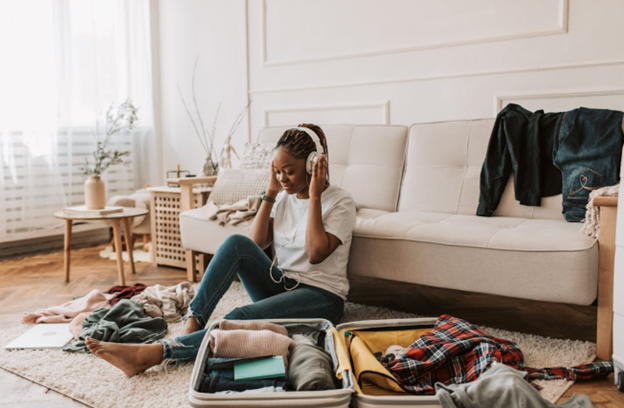
Living out of a suitcase has become a familiar reality for many people. Remote work, flexible careers, and extended travel have reshaped what a normal week looks like. When locations change often, routines naturally shift too. Meals happen at different times, mornings begin in new surroundings, and days take on a different rhythm. For frequent travellers, the idea of wellness is less about fixed habits and more about how daily choices adapt on the move. This article explores how people who travel often approach wellness in a way that feels practical, personal, and realistic, no matter where they unpack next.
When Travel Reshapes Daily Habits
Travel changes more than location. It influences how people structure their days, move through spaces, and use their time. Many travellers notice that routines built around a single place do not always translate easily to new environments. This often leads to a more flexible way of thinking about wellness. Instead of following strict schedules, frequent travellers tend to focus on what feels manageable and familiar wherever they are. Wellness becomes something that fits into the day rather than something that controls it.
Packing with Personal Priorities in Mind
Packing for frequent travel often becomes more intentional over time. Instead of packing for every possibility, travellers choose items that support their daily routines and comfort. Clothing that works for movement, rest, and social time tends to take priority. Personal items that reflect individual habits also earn a place in the suitcase. For some people, this may include journals, skincare essentials, or health-friendly supplements by USANA Health Sciences, chosen as part of a broader lifestyle routine rather than for any specific outcome.
Routines That Travel Without Effort
People who live out of a suitcase often lean towards routines that require very little planning. These might include a short walk in the morning, a few quiet minutes before the day begins, or winding down without screens in the evening. These habits work because they rely on intention rather than location. Over time, travellers learn which routines feel grounding and which ones feel unnecessary. This approach allows wellness to remain present without adding complexity to an already dynamic lifestyle.
Making Thoughtful Food Choices Away From Home
Food is a central part of travel, and many travellers enjoy exploring local flavours and dining experiences. At the same time, people who value wellness often pay attention to balance and variety across their meals. Rather than following rigid food rules, they tune into what feels satisfying and nourishing throughout the day. Eating becomes part of the travel experience rather than something separate from it. This mindset allows travellers to enjoy meals while staying connected to their usual preferences.
Finding Natural Ways to Move While Travelling
Movement often looks different when people travel frequently, and that is not a drawback. Many travellers naturally move more by walking through neighbourhoods, using public transport, or exploring new places on foot. Others choose short, familiar routines they can do in small spaces, such as stretching or light mobility work. These approaches keep movement part of daily life without needing specific locations or equipment. Over time, travellers learn which forms of movement feel enjoyable and easy to maintain, regardless of where they are staying.
Making Room for Rest in Busy Schedules
Frequent travel often brings full days and changing schedules, which makes intentional rest an important part of daily life. Many travellers prioritise simple habits that signal the end of the day, such as reading, listening to music, or spending time offline. Rest does not always mean long breaks. Even short moments of calm can help create a sense of balance. By choosing rest practices that fit naturally into their evenings, travellers allow downtime to exist alongside busy itineraries.
Keeping Familiar Habits in New Places
Being in unfamiliar surroundings can make small, familiar habits feel even more meaningful. Many travellers hold onto routines that help their days feel consistent, such as morning coffee rituals, journalling, or evening skincare routines. These habits offer a sense of continuity without requiring structure or planning. Familiar routines also help travellers feel more settled, even when locations change often. This approach keeps wellness grounded in everyday actions rather than external conditions.
How Travel Shapes Personal Wellness Choices
Living out of a suitcase often encourages people to reflect on what truly matters to them. Without access to everything from home, travellers become more selective about the habits and items they keep close. This naturally leads to a more personal view of wellness. Rather than following trends, travellers often focus on routines that feel practical and meaningful. Travel becomes a way to refine wellness choices, making them simpler and more intentional over time.
Creating Daily Structure Without Strict Schedules
When travel becomes a regular part of life, strict schedules often feel unrealistic. Many frequent travellers find that creating a loose structure works better than planning every hour. This might include starting the day with the same morning habit, setting aside time for movement, or choosing a consistent wind-down routine in the evening. These anchors provide a sense of order without limiting flexibility. By focusing on rhythms rather than timetables, travellers can support a balanced lifestyle while still leaving room for spontaneity. This approach helps daily life feel steady even when locations and time zones change.
Living out of a suitcase changes how people approach daily routines, including wellness. For frequent travellers, wellness becomes less about following the same structure every day and more about staying connected to intentional choices. Familiar habits, simple routines, and thoughtful daily decisions help create a sense of balance that adapts easily to new places. These practices do not rely on fixed schedules or specific settings, which makes them easier to carry from one destination to the next.
By focusing on what feels practical and personal, travellers shape routines that support their lifestyle rather than compete with it. This approach shows that wellness can fit naturally into a life influenced by movement, curiosity, and ongoing change.