



- Details
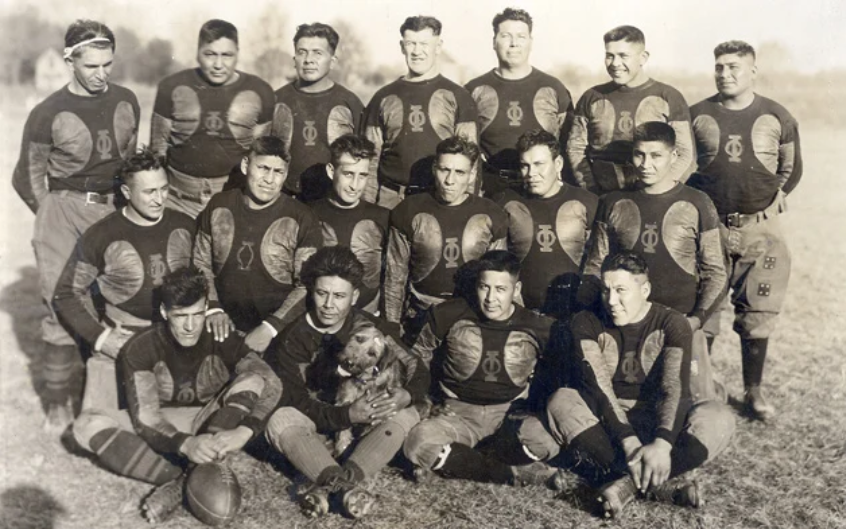
This article examines the enduring presence, influence, and cultural significance of Native American athletes in professional football, tracing a continuous line from the sport’s earliest icon to modern NFL contributors. Rather than treating Indigenous players as isolated figures, it presents them as part of a living legacy shaped by resilience, representation, and ongoing challenges within the league and broader sports culture.
Native American Presence in American Sports
Native American athletes have been central to the development of American sports long before the creation of professional leagues, bringing physical skill, strategic thinking, and communal values rooted in tribal traditions. Football, as a sport built on endurance, discipline, and collective execution, aligns closely with Indigenous athletic philosophies that predate organized competition. Despite this deep connection, Native contributions have often been marginalized or erased from mainstream sports history, leaving gaps in public understanding of who shaped the game and how. This article establishes a long-view perspective, positioning Native American players not as rare exceptions but as consistent participants whose influence stretches across generations, from the early 20th century to the modern NFL.
Jim Thorpe: The Original Gridiron Legend
Jim Thorpe of the Sac and Fox Nation stands as one of the most accomplished athletes in global sports history, not only for his dominance but for the era in which he competed. Born in 1887, Thorpe excelled at football, baseball, basketball, and track and field during a time without modern training regimens, nutritional science, or financial security for athletes. His gold medals in the pentathlon and decathlon at the 1912 Stockholm Olympics cemented his international reputation, while his football career helped define the professional game itself. Thorpe was not merely a star player; he served as the first president of the American Professional Football Association, the organization that later became the NFL. His leadership, versatility, and cultural symbolism positioned him as both a foundational architect of professional football and a lasting symbol of Indigenous excellence, resilience, and adaptability.
Trailblazers and Forgotten Names: Mid-Century to the 1990s
In the decades following Jim Thorpe’s career, Native American players continued to enter professional football, often without fanfare or lasting recognition. Players such as Sonny Sixkiller and Sam Claphan competed in eras defined by limited media coverage, racial prejudice, and systemic barriers that restricted both opportunity and visibility. Many Native athletes during this period were shaped by the legacy of boarding schools and early athletic programs that emphasized assimilation while simultaneously producing elite competitors. These players navigated environments where their cultural identities were frequently ignored or suppressed, resulting in careers that contributed to the sport but were rarely preserved in historical records. Their stories reflect both persistence and invisibility, highlighting how Native participation endured even when acknowledgment did not.
Modern Native Voices in the NFL
Contemporary NFL players with Native ancestry represent a continuation of this legacy rather than a revival. Athletes such as Levi Horn of the Northern Cheyenne, Sam Bradford of the Cherokee Nation, and James Winchester of the Choctaw Nation have brought Indigenous representation into the modern era of professional football. Bradford’s career as a No. 1 overall NFL Draft pick placed Native heritage on one of the league’s most visible stages, while Winchester’s long tenure as an NFL long snapper demonstrated durability and consistency at the highest level. Horn’s professional journey reflects the persistence required to navigate practice squads and league transitions. Together, these players illustrate how modern Native athletes balance elite performance with cultural identity, often using personal platforms to speak openly about representation, heritage, and responsibility.
Cultural Identity and the Power of Visibility
Visibility in the NFL carries profound cultural weight, particularly for Native communities that have historically been misrepresented or reduced to stereotypes. When Native athletes appear on nationally televised games, they challenge outdated narratives and replace caricatures with real individuals defined by skill, discipline, and professionalism. Representation at this level helps counter decades of mascot-driven imagery and reductive portrayals in sports media, offering an alternative grounded in lived experience. The presence of Native players also resonates deeply within Indigenous communities, where young athletes can see tangible proof that professional football is attainable without sacrificing cultural identity. This visibility transforms the NFL from a distant institution into a space where Native excellence is publicly affirmed.
Beyond the Field: Advocacy and Cultural Reclamation
For many Native NFL players, football serves as both a career and a platform for broader community engagement. Advocacy efforts often focus on education, youth mentorship, cultural preservation, and awareness of Indigenous sovereignty issues. These initiatives are frequently self-directed rather than league-driven, reflecting personal commitment rather than public relations strategy. Players host football camps on or near reservations, support scholarship programs, and speak openly about issues such as land rights and educational access. Through these actions, athletes reclaim narrative control and extend their influence beyond statistics and contracts, reinforcing the idea that professional success can coexist with cultural responsibility and community upliftment.
Ongoing Challenges
Despite individual success stories, Native Americans remain among the most underrepresented populations in collegiate and professional football. Geographic isolation, limited access to elite training facilities, and reduced exposure to scouting networks continue to restrict opportunity. Media coverage often omits cultural background entirely, contributing to statistical invisibility even as the league expands analytics, performance tracking, and Detailed NFL depth charts that catalog every aspect of on-field contribution except heritage. Institutional barriers persist at multiple levels, from youth recruitment to college scholarships, reinforcing disparities that have yet to be systematically addressed.
Honoring the Legacy, Inspiring the Future
Native communities continue to cultivate football talent through tribal athletic programs, high school teams, and community-based youth leagues that emphasize both competition and cultural grounding. These programs prioritize long-term development, academic balance, and mentorship, often led by former players who return to invest in the next generation. Football becomes a vehicle for confidence, discipline, and opportunity rather than an end in itself. This grassroots approach ensures that Native participation in the sport remains active and self-sustaining, regardless of professional outcomes.
Resources for Aspiring Native Athletes
Access to modern training resources, evaluation tools, and recruiting platforms plays a growing role in athlete development. Rankings services, performance metrics, and exposure pathways provide transparency in a system that has historically overlooked Native athletes. When paired with culturally informed mentorship and community support, these resources help bridge gaps created by geography and institutional neglect. They also empower athletes to navigate the increasingly data-driven landscape of football recruitment with confidence and clarity.
Enduring Impact and Continued Responsibility
From Jim Thorpe’s foundational leadership to the careers of modern NFL players, Native American athletes have shaped professional football across every era of its existence. Their presence represents continuity, resilience, and excellence rather than anomaly. Continued recognition, equitable access, and accurate representation remain essential for honoring this legacy. As the NFL evolves, so too must its commitment to acknowledging the Indigenous athletes who have always been part of the game, both on the field and within the communities that sustain it.