



- Details
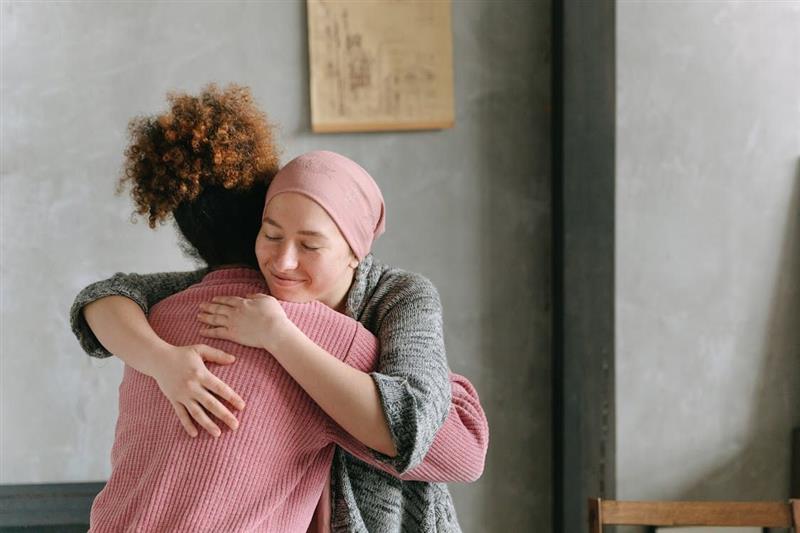
Cancer affects families, extended networks and entire towns in the Native and rural communities. A diagnosis sets off a chain reaction of support and care. Elders mobilize spiritual support, family reorganize work schedules, and neighbors coordinate travel arrangements to distant care facilities. This is how individuals get treated when the nearest oncologist is hundreds of miles away and the healthcare system wasn’t built with you in mind.
Rare Cancers in Native and Rural Communities
Asbestos doesn’t respect boundaries. Decades of mining operation, industrial facilities, and contaminated building materials have left Native communities with elevated rates of mesothelioma and related cancers. These exposures went unmonitored for generations. The consequences show up in diagnosis rates that should alarm anyone paying attention.
Tribal health centers lack advanced imaging equipment. Referrals to specialists take months. A persistent cough gets treated as bronchitis until it isn’t. Patients calculate whether missing three days of work for a diagnostic appointment that they can't afford makes sense when the symptoms might resolve on their own, but they usually don’t.
Generic health education materials gather dust in clinic waiting rooms because they speak to nobody’s actual experience. Native Americans need health representatives who grew up in the community and can explain the causes and effects of the disease in a way in which it is understood.
The Effect of Remission on Patients and Families
Many doctors communicate poorly about mesothelioma remission. They equivocate, use jargon, or offer false reassurance. Patients need specific information: what today’s results show, which
symptoms require immediate attention, when to return for a follow-up. This clarity matters everywhere but becomes critical in communities where medical institutions have earned distrust.
Language precision matters; “cancer-free” suggests permanence, while “remission” acknowledges uncertainty. Mixing these terms creates confusion that outlasts the appointment. Achieving remission represents significant progress, but the cancer’s aggressive nature requires continued monitoring.
Healing as a Community, Not an Individual
Standard cancer treatment assumes reliable transportation and nearby pharmacies. Native families operate differently. When someone needs chemotherapy, the response involves aunties, cousins, grandparents and whoever can drive, cook, watch children, or sit through eight-hour infusions. This distributed caregiving is a necessity that aligns with cultural values. Traditional healing runs alongside Western medicine for many patients. The specifics vary but often include:
- Scheduling ceremonies between treatment cycles
- Consulting herbalists about interactions with prescribed medications
- Bringing sacred objects into hospital rooms
- Maintaining dietary practices when possible
Long Term-Monitoring Still Matters
Remission requires surveillance. Regular imaging detects recurrence when treatment options remain viable. Blood work tracks tumor markers while physical exams identify changes before they become symptomatic. For cancer in remission, these appointments separate early intervention from late-stage recurrence.
Self-advocacy becomes essential. Symptoms between scheduled visits need attention. Appointments get delayed by overwhelmed healthcare systems. Knowing when to push and having the confidence to demand evaluation prevents dangerous gaps in care.
Heal With Knowledge and Care
Informed hope bears blind optimism. Understanding current treatment options, recurrence risks, and monitoring requirements lets patients make genuine decisions about their care. Vigilance about symptoms and consistent follow-up matter throughout survivorship, not just during active treatment.
Building cancer awareness now protects future generations. Young people who understand environmental risks, recognize warning signs, and know available resources will advocate effectively for themselves and their families when cancer touches their lives.